How Republicans Lost the Gerrymandering War
Trump’s plan backfired.
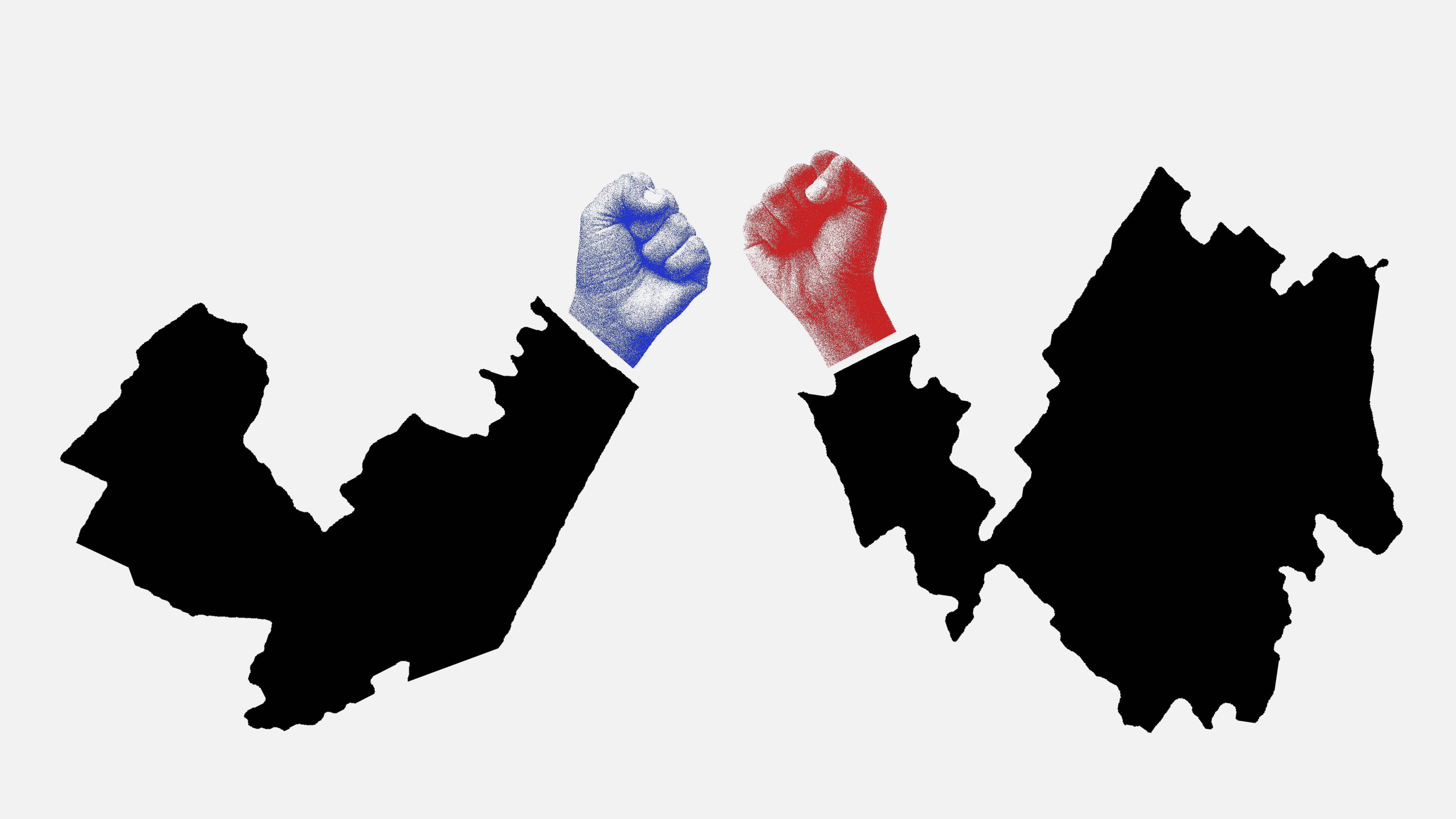
The Republican Party suffered a significant setback in the recent midterm elections, particularly in their efforts to fortify their House majority through gerrymandering. President Trump urged Republican legislators to redistrict in their favor, anticipating a strong challenge from Democrats. However, the strategy backfired, with Democrats emerging victorious in several key states.
Republicans had meticulously redrawn congressional districts to make it nearly impossible for Democrats to win in Republican-controlled states. Yet, on Tuesday night, the carefully crafted gerrymandered "wall" crumbled. Republicans are now projected to lose nearly all of the seats they remapped and are likely to lose many more that Democrats redrew in response.
Targeted Democratic incumbents who were expected to be defeated under the new maps actually prevailed in several states. In Florida, Ohio, and Alabama, Democratic candidates outperformed expectations. Bobby Pulido and Johnny Garcia, two targeted Democratic incumbents, benefited from a shift in Latino voter preferences, which leaned more towards Democrats. In Texas, where Trump had launched his gerrymandering campaign, a pair of Democratic candidates, Bobby Pulido and Johnny Garcia, won seats that had been redrawn.
The most significant blow came in North Carolina, where Republicans had already held ten out of the state's 14 U.S. House seats due to previous rounds of GOP gerrymandering. However, in an attempt to secure more seats, the party's majorities in the North Carolina legislature created new lines aimed at making Representative Don Davis more vulnerable. Despite these efforts, Davis won his race, but Republicans are now on the brink of losing five of their original House seats, holding only narrow leads in four others.
Nationwide, the Republican redistricting efforts were no match for Democrats' landslide victory, which could result in the party claiming as many as 255 House seats—more than a 40-district gain. Analysts attribute the GOP's gerrymandering failures to two factors: an increase in Black voter turnout and the Supreme Court's decision to weaken the Voting Rights Act.
The latter decision prompted Republicans in southern states to redraw additional seats that the VRA had previously protected for majority-Black communities. This "Great Blacklash" energized Democratic opposition, making it easier for Democrats to secure victories in these districts.
Florida Governor Ron DeSantis and former Attorney General Eric Holder, who now runs the National Democratic Redistricting Committee, have expressed concern over the GOP's gerrymandering strategy. Holder urged Democrats to continue pushing for a nationwide ban on partisan gerrymandering. The Republican Party now faces the question of whether to escalate the gerrymandering wars or seek a truce.
Written by urgent.news from The Atlantic's reporting — not their text. Machine-written — may contain errors; check the original before relying on it.