How Abdul El-Sayed would build Medicare for All, from a wealth tax to a Fed-style governing board
The Michigan Democrat co-wrote a 2021 guide to single-payer that would fold Medicare, Medicaid, and ACA subsidies into one fund, with new taxes on the wealthy to cover the rest.
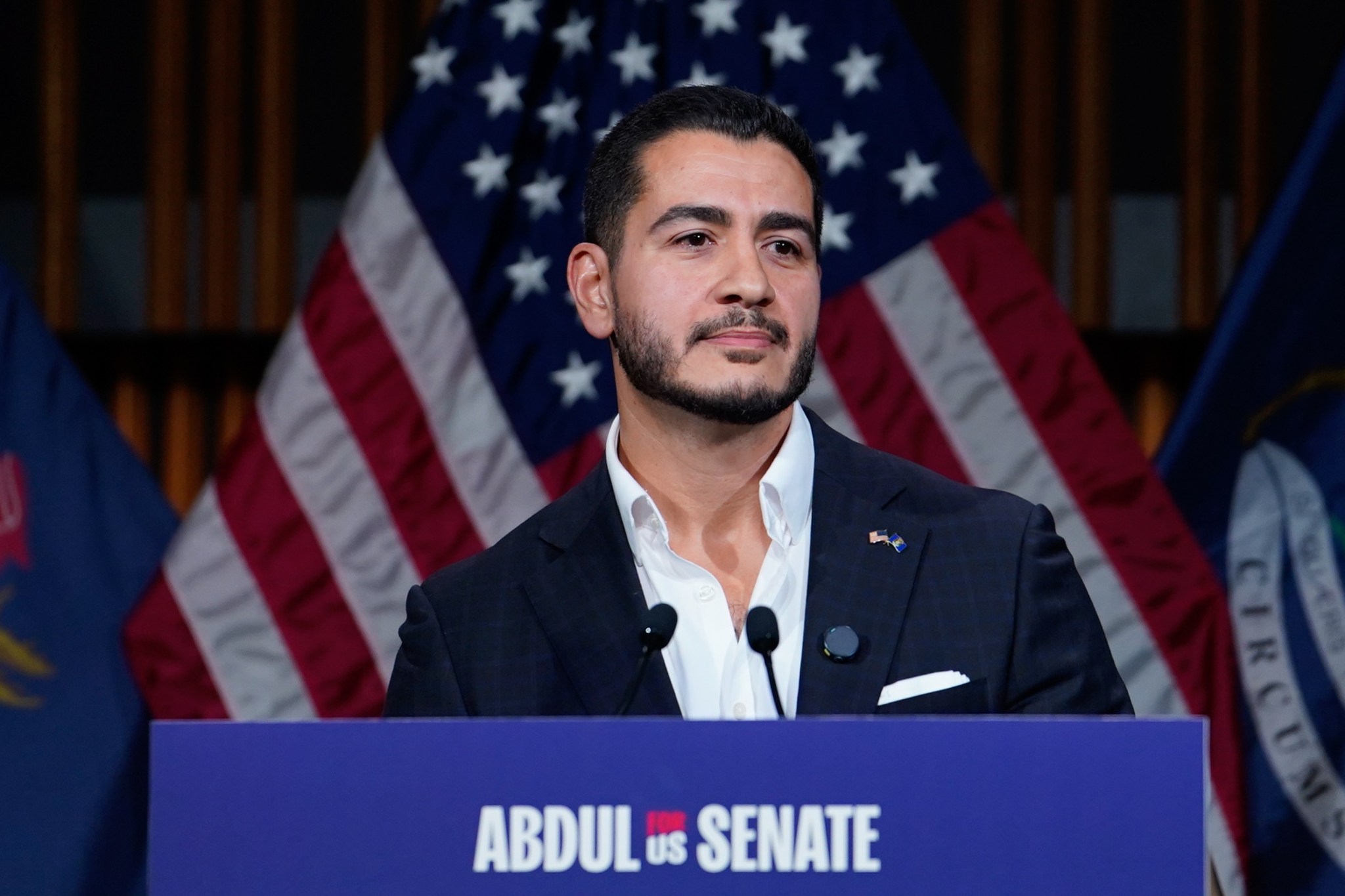
In the wake of his political victory in Michigan, Senator-elect Abdul El-Sayed has made it clear that healthcare access should not be a luxury. As a former Detroit health official and author of a comprehensive plan for Medicare for All, El-Sayed aims to bring a single-payer system to the United States. In his upcoming role, he will lead the effort to make healthcare accessible to all Americans, regardless of their socioeconomic background.
With voters expressing significant concern about healthcare costs, El-Sayed's plan includes a wealth tax on high-income earners, new corporate tax codes, and higher taxes on investment income. Additionally, savings from reduced administrative costs and lower prices for services, thanks to a single payer's negotiating power, aim to fund this ambitious endeavor.
While he hopes to avoid raising taxes on the middle class, experts suggest that middle-class tax increases might be necessary. However, the path to implementing this sweeping reform is fraught with challenges, including political opposition from various industries, high costs, and public opinion that remains divided.
Written by urgent.news from Fortune's reporting — not their text. Machine-written — may contain errors; check the original before relying on it.
This story
This is one outlet's version. Read the fullest account.