High debt, rise of non-banks risk tying ECB’s hands, Schnabel says
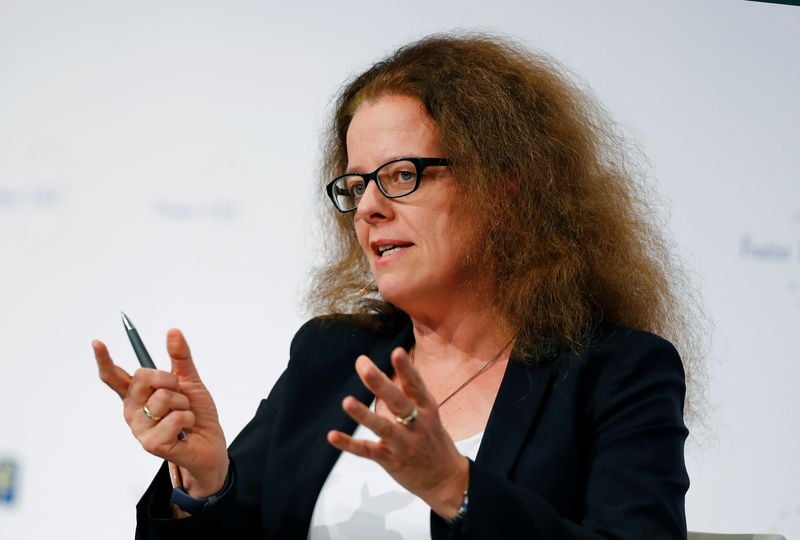
Frankfurt, November 5 (Reuters) - The rapid growth of non-bank finance and soaring public debt may curtail the European Central Bank's capacity to implement suitable monetary policy, according to ECB board member Isabel Schnabel. The bank has been raising interest rates to tackle high inflation, leading to apprehensions that increased borrowing costs might render certain budgets unmanageable, particularly for financially vulnerable France, thereby hindering the ECB's ability to establish the correct monetary policy due to fears of triggering financial instability.
Schnabel highlighted that public debt has surged since the beginning of the century, with a significant portion of the new debt being owned by non-banks, including speculative funds that might be heavily leveraged. This shift has resulted in the ECB's interest rate adjustments transmitting more swiftly through the market, potentially amplifying volatility, which could subsequently compel leveraged investors to divest bonds as collateral values decline and margin requirements escalate.
To rectify this issue, central banks might need to stabilize markets to avert a liquidity crisis from escalating into a major credit crisis, a move that could contradict the central bank's mandate and jeopardize its supremacy. To address the situation, Europe should avoid the urge to relax banking regulations and instead implement tougher oversight of non-banks, such as hedge funds, investment funds, or insurers, said Schnabel in a speech in Frankfurt.
Moreover, bolstering the argument for considering non-banks' access to central bank facilities would strengthen systemic stability. However, the primary challenge lies in addressing public finances since the effective rate governments pay on their debt now exceeds economic growth. This underscores the need for Europe to adopt the much-discussed institutional reforms that could gradually reverse the decline in potential growth, as emphasized by Schnabel, who is set to depart from the ECB for a senior role at the IMF in January.
Written by urgent.news from Investing.com's reporting — not their text. Machine-written — may contain errors; check the original before relying on it.