Gulf energy companies go global after security failures
Once the guarantors of energy, regional producers are looking elsewhere to ensure future supplies.
For many years, Gulf oil and gas corporations prided themselves on their dependability. However, recent transactions suggest a shift in perspective: the region can no longer guarantee global energy security. Instead, Gulf producers will invest internationally over the next decade, integrating themselves into worldwide energy supply networks to prepare for potential future disruptions.
During the initial stages of the Iran conflict, as oil deliveries through the Strait of Hormuz came to a standstill, their emphasis was on finding alternative routes. New pipelines, railways, and ports were discussed as viable options to bypass the critical chokepoint. Saudi Arabia's East-West pipeline proved to be a vital lifeline, benefiting both energy markets and the kingdom's financial stability, just as Abu Dhabi's pipeline to Fujairah did.
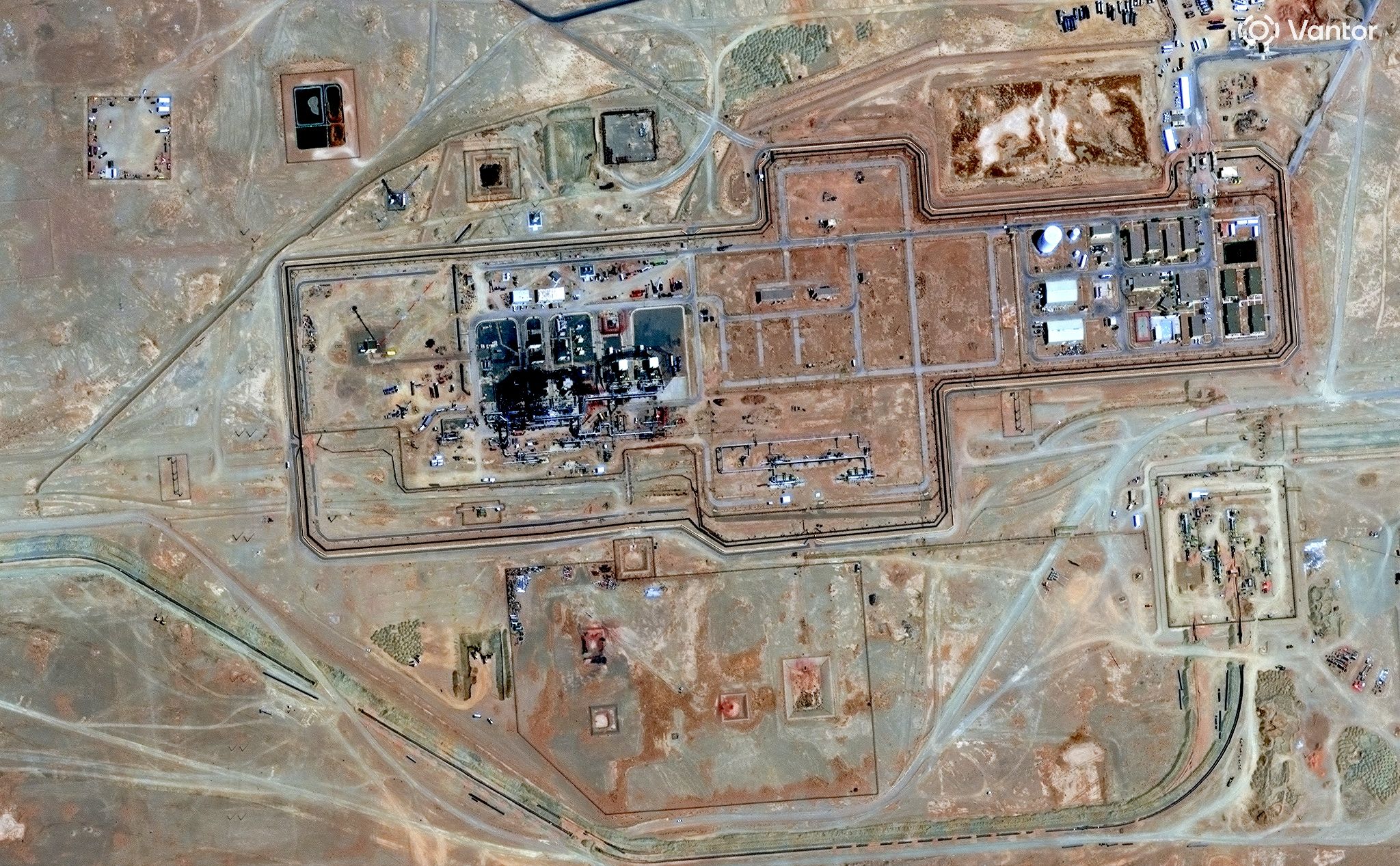
Both have since been expanded. Yet, as evidenced by Houthi attacks on the Saudi pipeline, a secondary plan is not sufficient. The problem lies not only in a few narrow waterways but also in the inability to ensure the security of Gulf energy facilities during crises. This year's conflict has demonstrated the relative ease with which inexpensive drones can bypass some of the world's most advanced air defense systems and strike at pipelines, ports, and ships.
Spending billions more on new pipelines could merely result in a longer target list and dilute defensive systems. The outcome of the US midterms may prolong the Iran conflict from the Gulf's viewpoint—particularly if President Donald Trump faces limitations on pursuing "finish-the-job" strikes and a history of unsuccessful diplomacy that could worsen with Iran's notoriously strong negotiators.
This ensures that fundamental animosity in the region will persist. Even if the Iran war were to conclude today, resolving Houthi threats to shipping through the Bab el-Mandeb Strait and Iranian attacks on shipping through the Strait of Hormuz, the Gulf's reputation as a dependable oil and gas supplier would have been irreparably harmed.
To prevent losing market share, the Gulf is preparing itself for when instability strikes again. QatarEnergy is acquiring international LNG shipments to hedge against any future closure of the Strait of Hormuz. Abu Dhabi had already initiated an international investment strategy before the war and is now accelerating its plans. Saudi Arabia's latest agreement to store oil in underground caves in Singapore may not be substantial enough to sway global markets.
However, it is still a declaration of intent—this time, to establish reserve capabilities worldwide, ready for a worst-case scenario. Anticipate more similar deals in the upcoming months. Unable to safeguard their domestic infrastructure, Gulf energy companies will increasingly hedge by going global.
Written by urgent.news from Semafor's reporting — not their text. Machine-written — may contain errors; check the original before relying on it.