Growing our own dependence
EDITORIAL: Pakistan’s cotton crop is facing another projected decline, with potentially serious consequences for an economy whose principal merchandise export industry remains heavily dependent on the fibre. The World Bank expects domestic cotton production to fall by 6 percent in 2026-27, against a 3 percent decline in global output. India and Brazil, meanwhile, are projected to increase…
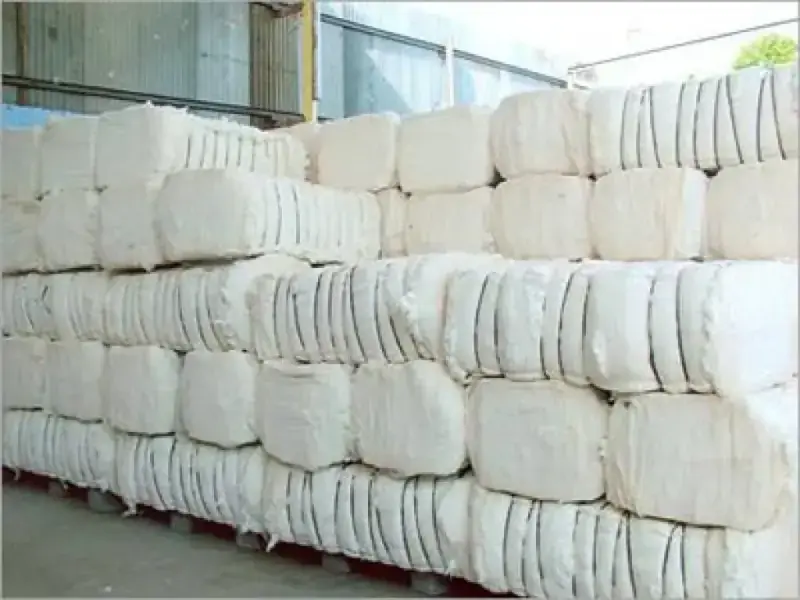
Pakistan's cotton crop is anticipated to decline by 6 percent in 2026-27, according to the World Bank. This is in contrast to a 3 percent decrease in global output, with India and Brazil expected to increase their production by around 1 percent each. These projections have raised concerns about the government's agricultural priorities, especially considering the increasing pressure on global commodity markets.
The international situation, marked by conflicts in the Middle East, the Russia-Ukraine war, and a potential El Niño, has further exacerbated these risks. The World Bank forecasts a 23 percent rise in global commodity prices in 2026, driven by a 32 percent surge in energy prices, which are set to increase food prices by 10 percent.
These factors directly impact fertilisers, fuel, transport, and other agricultural inputs, putting pressure on the cotton value chain. Cotton plays a crucial role in Pakistan's economy, serving as the primary raw material for the textile and apparel industry, the country's largest export sector, which employs millions of people.
The decline in domestic cotton production has led to a growing reliance on imported cotton, straining foreign exchange reserves and exposing manufacturers to international price and supply disruptions. Despite previous warnings, there has been a lack of a coordinated effort to safeguard domestic cotton production. The comparison with India is revealing; while its projected increase in cotton production is modest, India's diversified export base, including sectors like information technology and services, provides a more stable foundation for its exports.
Pakistan, on the other hand, remains heavily dependent on textiles for export earnings. A decline in Pakistan's cotton output could result in a loss of market share, given the country's limited alternatives. The government's response must be comprehensive, encompassing production targets, input distribution, and a long-term strategy covering seed quality, agricultural research, pest management, water availability, extension services, and cultivation economics.
Farmers need reliable support and timely payments, with a review of factors that make competing crops more appealing. Climate-resilient varieties, improved irrigation techniques, and reliable crop monitoring should be prioritised in agricultural policy. The textile industry also requires a predictable framework that supports domestic cotton production without making imported raw materials more advantageous.
Simply focusing on export goals without addressing the agricultural base that sustains them is not enough. The government must engage provincial administrations, research institutions, growers, and textile manufacturers in a coordinated plan with clear production targets and publicly reviewed progress. Pakistan cannot escape the global challenges of international conflicts, shipping disruptions, and adverse weather conditions.
However, it can fortify its agricultural sector to mitigate these consequences. Losing domestic cotton production while competitors bolster their positions would be a preventable setback. Pakistan has long discussed export-led growth; it should commence by ensuring its flagship export industry has the raw material to thrive.
Written by urgent.news from Business Recorder's reporting — not their text. Machine-written — may contain errors; check the original before relying on it.