Gadi Eisenkot tipped to seek Israel government with backing of Arab lists
Israel’s largest Arab list on Thursday said it would back Gadi Eisenkot to form the next government, bolstering his chances of being picked over Prime Minister Benjamin Netanyahu, who lost the support of an allied religious party. President Isaac Herzog was holding a second day of consultation s with political parties after the October 27 election, in which neither Netanyahu — a polarising…
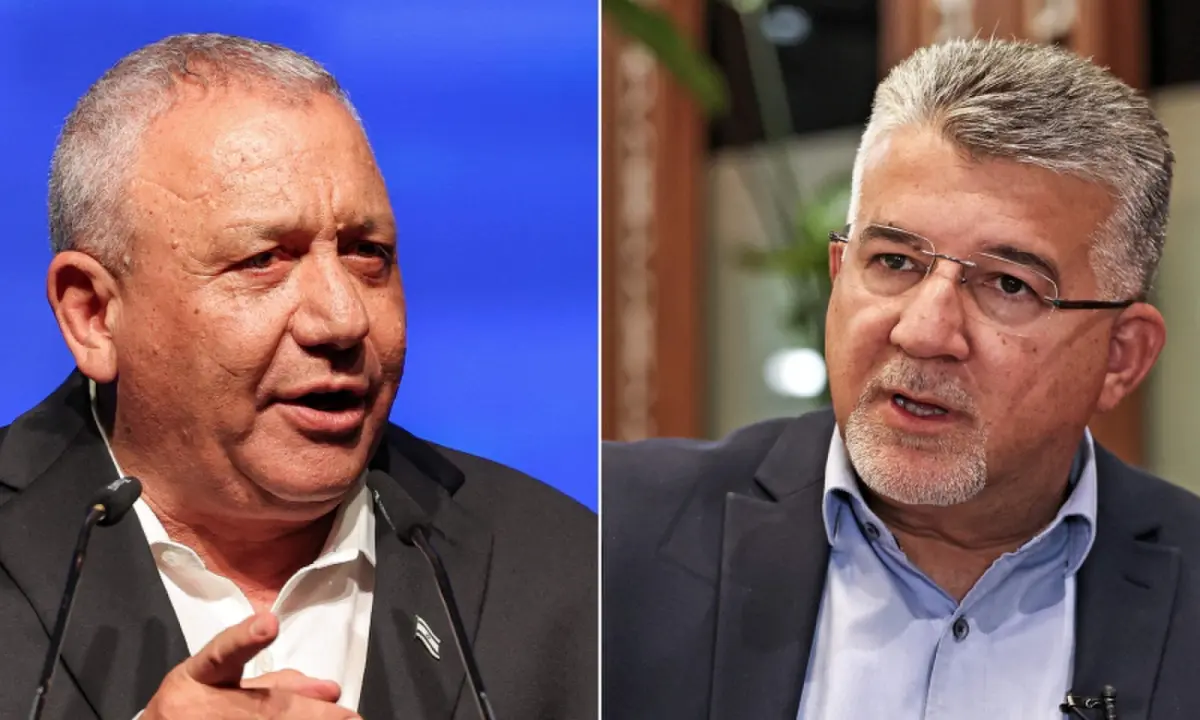
Israel's largest Arab political coalition has signaled its support for Gadi Eisenkot to become the next prime minister, a development that could significantly impact the country's political landscape. This endorsement, coming from the Joint List and Raam, both of which secured a combined 19 seats in the recent October 27 election, bolsters Eisenkot's chances over incumbent Prime Minister Benjamin Netanyahu.
Netanyahu, who has led Israel through three years of conflict, lost the support of an allied religious party, United Torah Judaism, and now faces a slim margin in terms of potential coalition partners.
President Isaac Herzog, after a two-day consultation with political parties following the election, will ultimately decide which party to approach for government formation. Traditionally, the mandate is given to the party with the backing of the most parties, which in this case would be Eisenkot. However, the Arab-majority lists' decision to endorse Eisenkot also hinges on whether they are willing to work with him, an aspect that remains uncertain.
United Torah Judaism, which has backed Netanyahu in the past five elections, informed Herzog that it would not recommend him again to form a government. While the party did not endorse Eisenkot, it also did not rule out supporting him, stating that it had decided not to recommend any Knesset member for the position. This decision comes amid tensions over the exemption from military service for religious students, a contentious issue that has strained relations between religious and secular Israelis.
Netanyahu has kept the exemption in place but has not formalized it, sparking discontent among many Israelis who view it as a drain on resources due to the reservists' multiple tours, particularly as the country grapples with ongoing wars in Gaza, Lebanon, and Iran.
Eisenkot, a former military chief, has been vocal about ending the exemption, a stance that has earned him support from some opposition parties. His bid to restore national unity has resonated with a segment of the population that feels marginalized under Netanyahu's government, which has been criticized for its treatment of Arab Israelis and implementing policies reminiscent of those in war-affected territories like Gaza and the West Bank.
While Eisenkot's coalition could potentially include the Arab parties, forming a government with them might alienate some members of the opposition, notably Avigdor Liberman, a former Netanyahu ally who has since emerged as a staunch critic.
Netanyahu's camp has vehemently opposed any prospect of an alliance with Arab lawmakers, accusing them of foreign influence and questioning the loyalty of Arab citizens. In a recent video, he alleged "serious suspicions" of foreign funding in the election and raised concerns about the political allegiance of Arab Israelis.
Written by urgent.news from Dawn's reporting — not their text. Machine-written — may contain errors; check the original before relying on it.
This story
This is one outlet's version. Read the fullest account.
- Arab-led Joint List says it will back Eisenkot to form Israel's next government middleeasteye.net
- Joint List Chair: Netanyahu and Ben-Gvir engaging in ongoing incitement against Arab citizens israelnationalnews.com
- Israel's main Arab list backs Eisenkot to form government after election france24.com
- Eisenkot tipped to seek Israel govt amid ongoing talks rte.ie
- Joint List says it will back Eisenkot to form Israel’s next government aljazeera.com
- Yashar recommends its leader, Gadi Eisenkot, to form Israel's next government haaretz.com