Free AI, tax breaks and business grants in Budget 2027 — how Malaysians stand to benefit
KUALA LUMPUR, Nov 6 — Malaysians who pay for ChatGPT or other AI apps will be able to claim the cost as tax relief...
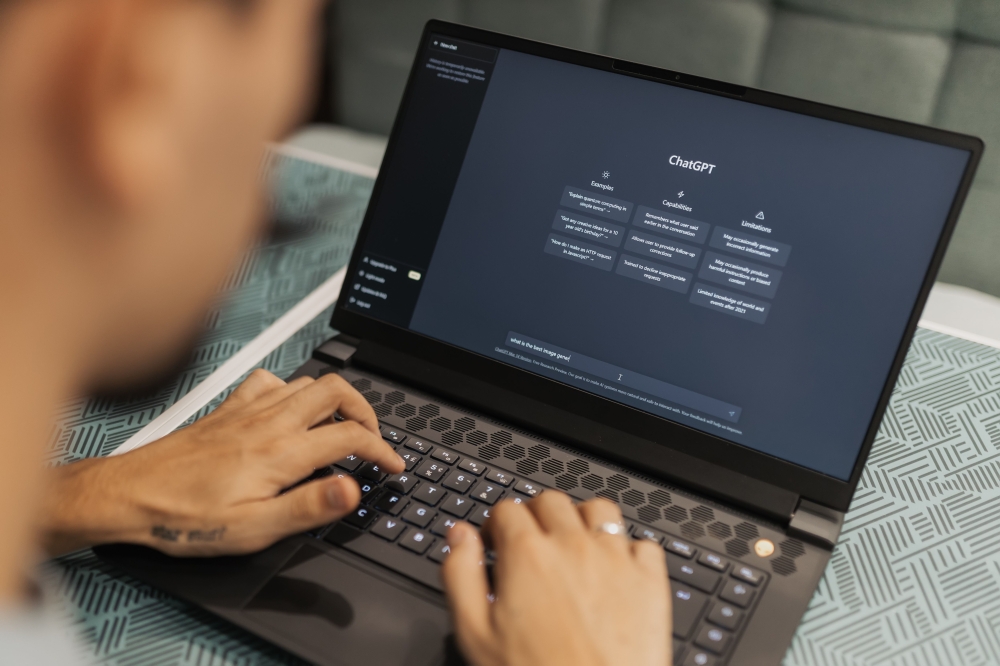
Malaysians who pay for AI applications like ChatGPT may soon be able to deduct the costs as tax relief in Budget 2027, as part of efforts to encourage wider use of the technology. The government plans to provide 100,000 free AI subscriptions for young people aged 18 to 30, in addition to existing programmes. This expansion follows the success of the AI Untuk Rakyat initiative, which offers six-month free access to selected AI apps after completion of learning modules.
The government has also allocated RM30 million to assist small businesses in adopting AI technology. This funding will help 4,000 micro, small and medium enterprises (MSMEs) automate their operations and train 5,000 AI professionals. Businesses and individuals interested in participating should stay updated on further announcements from the Malaysia Digital Economy Corporation (MDEC).
Written by urgent.news from Malay Mail's reporting — not their text. Machine-written — may contain errors; check the original before relying on it.