Falling reserves force changes to Ghana’s gold and forex arrangements – IMF
Falling foreign exchange reserves have prompted Ghana to shift forex intermediation from the Bank of Ghana to GoldBod and require large-scale miners to sell more gold.
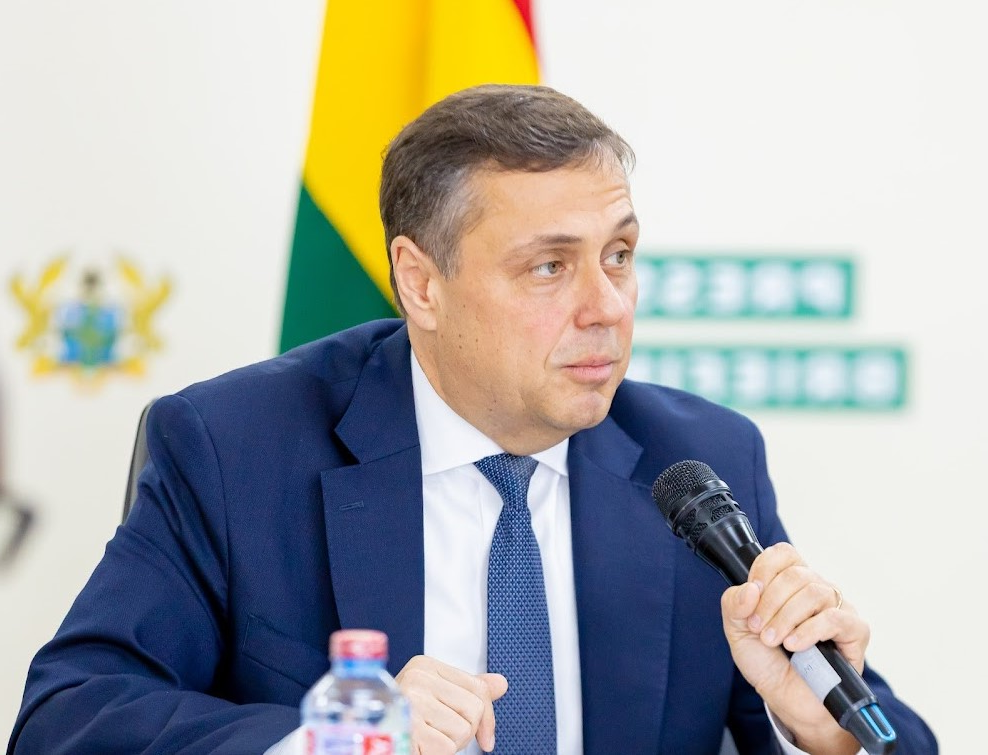
The International Monetary Fund (IMF) has announced changes to Ghana's gold and forex arrangements due to declining reserves. These measures aim to rebuild the country's foreign exchange reserves, which have fallen recently. The IMF disclosed these changes in a statement on Thursday, November 5.
The corrective actions include shifting forex intermediation from the Bank of Ghana to GoldBod and requiring large-scale miners to sell more gold. While the size of the reserve decline and the gold sale requirement were not disclosed, the IMF emphasized the need for sustained implementation of both measures alongside greater exchange rate flexibility.
The changes come after Ghana completed its IMF bailout programme and transitioned to a 36-month Policy Coordination Instrument (PCI). The PCI provides no financing but supports continued economic reforms. An IMF team led by Ruben Atoyan visited Accra from October 22 to November 4 for the PCI's first review.
IMF staff and Ghanaian authorities have reached a staff-level agreement on the first review of the PCI, though approval from IMF Management and the Executive Board is still required. IMF program performance was described as broadly satisfactory, with most quantitative targets met. However, the reserve decline highlights ongoing external pressures, despite stronger economic indicators.
Ghana remains vulnerable to swings in gold, cocoa, and oil prices, as well as geopolitical tensions and tighter global financial conditions. Domestic risks also persist, including the need to refinance domestic debt and fiscal pressures in the energy, cocoa, and gold sectors. Inflation fell to 5.5% in October, below the Bank of Ghana's target range, and the primary surplus is on track to meet its year-end program target.
The IMF stresses that stronger reserves, prudent monetary policy, and greater exchange rate flexibility are crucial for protecting these gains. A sinking fund to help repay maturing debt is also recommended. Ghana completed its final review of the $3 billion Extended Credit Facility program in July, marking the transition to the PCI and prioritizing reserve rebuilding for the recovery.
Written by urgent.news from MyJoyOnline Ghana's reporting — not their text. Machine-written — may contain errors; check the original before relying on it.