Fake news, bomb threats, hacked fridges and riots. What does hybrid war mean?
False claims helped mobilise people towards Ceuta’s border. Cyberattacks have disrupted supermarket fridges, while bomb threats have thrown European flights […]
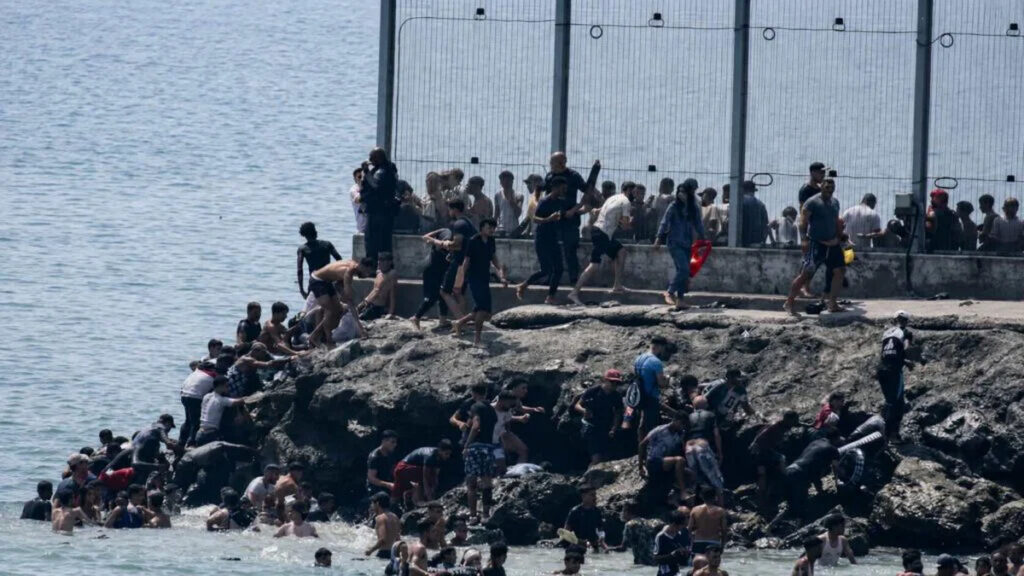
Hybrid war encompasses a range of tactics aimed at weakening or unsettling a nation, often without clear attribution. The European Union defines it as including cyberattacks, information manipulation, political interference, and targeted pressure on a country's borders. In July, thousands crossed from Morocco to Ceuta, Spain, fueled by false claims about an open border on social media and messaging platforms.
Spanish broadcaster RTVE noted an organized pattern of amplification but could not identify the source or any government backing. Separately, cyberattacks disrupted supermarket refrigeration systems, causing food spoilage and triggering flight diversions. Bomb threats targeted European flights, prompting searches and disruptions.
While these incidents caused real harm, they have not been linked to a single organizer. Hybrid war should prompt investigation but should not hastily attribute responsibility. The Ceuta border crisis demonstrates how false information and ordinary systems can be weaponized for pressure, but without a clear link between the events, the phrase remains a tool for deeper inquiry, not a definitive conclusion.
Written by urgent.news from Euro Weekly News's reporting — not their text. Machine-written — may contain errors; check the original before relying on it.