Energie: SPD bringt Alternative zur Senkung der Stromsteuer ins Spiel
Der Kanzler will die Stromsteuer senken, die SPD sieht dafür keinen Spielraum. An die Energiekosten wollen die Sozialdemokraten aber ran und machen jetzt einen Vorschlag.
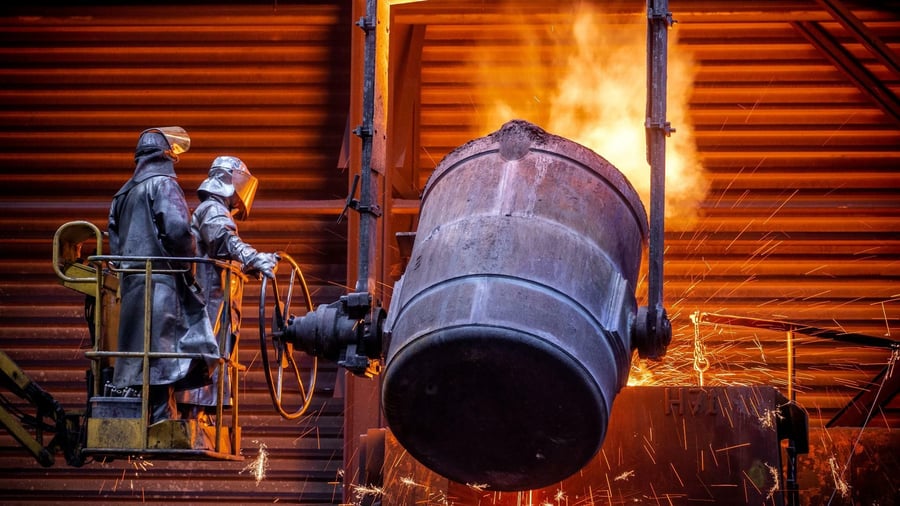
In the ongoing debate about reducing the electricity tax, the SPD has introduced a proposal to relieve the industry elsewhere in energy prices. Sebastian Roloff, the SPD's economic policy spokesman, stated to the Handelsblatt newspaper: "Low energy prices for industry are currently the decisive location factor." Before the Chancellor presents a nationwide reduction of the electricity tax without financing from elsewhere, he expects the federal government to "protect and sustain the existing measures."
Specifically, Roloff is concerned with the "Middle East Crisis Temporary State Aid Framework" (METSAF), which the EU decided on in the spring. It allows member states more room for state aid to mitigate the restrictions caused by the Hormus Strait blockade and the increased prices for oil, gas, and fertilizers. The German economy finds this regulation particularly important as it enables the combination of the new industrial electricity price and the electricity price compensation, which offsets the CO2 costs for energy-intensive companies.
The EU, however, currently prohibits double support for companies with both instruments. However, the METSAF is set to end at the end of the year, meaning German industry could only claim the double support for this year. Roloff nevertheless cautions that the consequences of the Iran war are not yet overcome. Therefore, he appeals to the federal government to "actively enable the combination of the industrial electricity price and the electricity price compensation for our industry."
The extended legal framework also allows the state to raise its aid from 50 to up to 70 percent of eligible electricity costs, particularly for electricity price compensation. Friedrich Merz (CDU) has not yet commented on a possible extension of the METSAF. The Chancellor, on the other hand, is pressing for a nationwide reduction of the electricity tax for all companies and households to the European minimum of 0.1 Cent per kilowatt-hour starting in 2027.
Currently, only manufacturing and agriculture benefit from this. Extending this in the coming year would cost around five billion Euros annually for the federal budget. While Finance Minister Lars Klingbeil (SPD) cites a lack of sufficient financial room for a nationwide reduction, Merz points to the improved growth prospects that would ultimately increase tax revenues.
The extension of the METSAF would not initially cause any costs, but the longer combination of industrial electricity price and electricity price compensation would cost the state more, though certainly not five billion Euros per year.
Written by urgent.news from Handelsblatt's reporting — not their text. Machine-written — may contain errors; check the original before relying on it.