Democratic party poised to switch to investigative mode — Phar Kim Beng
NOVEMBER 5 — The Democratic Party’s sweeping electoral victories in the November 2026 midterm elections have...
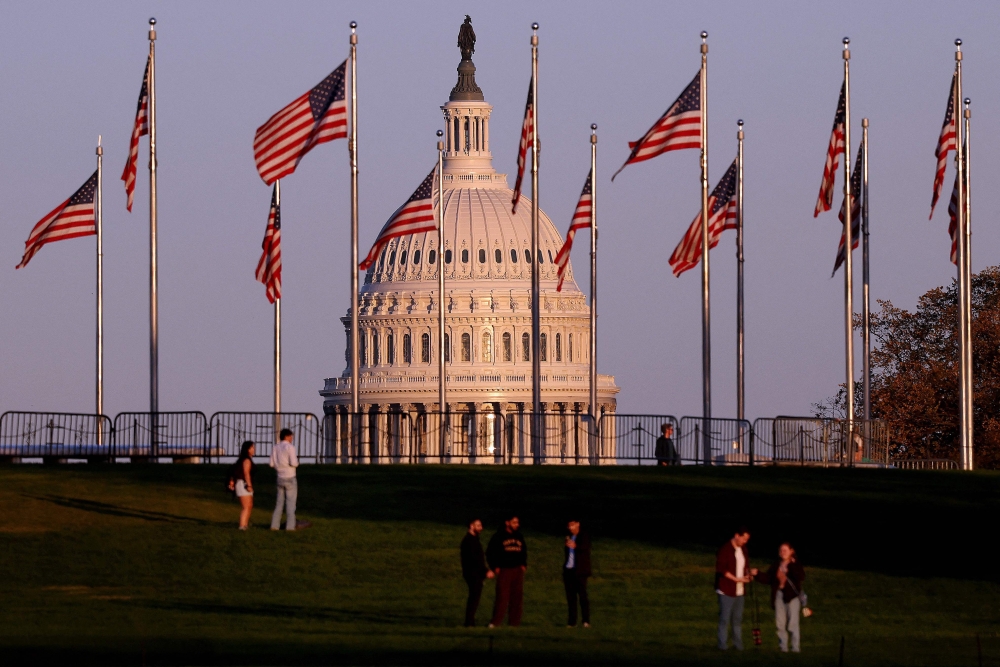
The Democratic Party's recent electoral success in the November 2026 midterm elections has shifted the political landscape in America. Beyond the balance of power in Congress, this new situation could lead to sustained congressional scrutiny of President Donald Trump, his administration, his family, and the corporate interests linked to his presidency.
Congressman Robert Garcia of California, a Democrat and prospective leader of the House Oversight Committee, warned constituents to "lawyer up," indicating a confrontational atmosphere among Democrats who feel the Trump administration has evaded sufficient congressional oversight.
The Democrats' electoral gains have altered the political dynamics in Washington. During periods of unified Republican control, congressional investigations into the administration encountered political hurdles. However, with a Democratic-controlled House, there will be significantly greater opportunities for oversight. The House Oversight Committee, with its broad jurisdiction, will be crucial in investigating alleged misconduct, administrative failures, conflicts of interest, and misuse of public resources.
Potential areas of investigation include the Trump family's business dealings, alleged corporate corruption, the conduct of the Department of Homeland Security, Immigration and Customs Enforcement, and the federal government's handling of Jeffrey Epstein's files. These investigations might not automatically prove wrongdoing, but they require evidence-backed allegations. The individuals or entities being investigated would have the right to challenge the claims against them.
While congressional oversight includes public hearings, committees can issue subpoenas, request records from federal agencies, and examine senior officials' conduct. If witnesses refuse to cooperate, Congress can pursue enforcement through legal mechanisms. However, congressional authority isn't absolute; the executive branch can assert privileges, contest subpoenas, and challenge investigative demands in court. These disputes can be time-consuming, sometimes spanning years.
Even if congressional authority is contested, it could still pressure the administration, forcing Cabinet secretaries to answer repeatedly, senior officials to explain decisions, and private individuals tied to government business to become subjects of inquiries. The administration would need to allocate legal resources, personnel, and political attention to these responses, potentially creating a defining feature of Trump's final two years.
While there's potential for impeachment proceedings against Trump, the most likely target would be Peter Hegseth, the Secretary of War. Impeachment requires a simple majority in the House of Representatives and a two-thirds majority in the Senate. Investigations, however, can produce findings and referrals without necessarily leading to impeachment. Democrats may face a strategic decision between impeachment and sustained oversight of individual agencies, Cabinet officials, and executive decisions.
The international consequences of this congressional scrutiny are also significant. Countries in the Indo-Pacific region, such as Asean, Japan, South Korea, Australia, and others, might find US foreign policy more complicated under a Democratic-led Congress. The Trump administration will have to navigate this potential environment of increased congressional scrutiny.
Written by urgent.news from Malay Mail's reporting — not their text. Machine-written — may contain errors; check the original before relying on it.