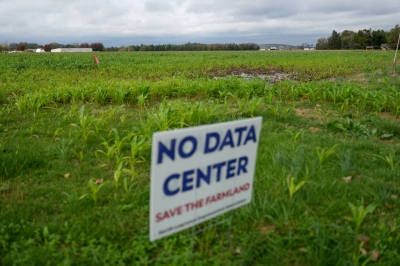
Datacenters were on the ballot. US voters rejected them
Voters approved nearly every datacenter moratorium that was on the ballot, dozens in total in Tuesday’s elections Track live results from all 50 states Send us your questions about the US midterms results and Democrats’ ‘blue wave’ There were three big losers in Tuesday’s midterm elections in the US: Donald Trump, Elon Musk and datacenters. Datacenters, the facilities full of semiconductor chips…

Voters across the United States overwhelmingly rejected datacenter moratoriums in recent midterm elections. These facilities, filled with semiconductor chips powering AI and other online services, were on the ballot in elections across 10 states in at least 40 jurisdictions. The opposition to datacenters, a symbol of the tech industry and AI, was strong, with nearly every moratorium passed on the ballot.
Notable victories included Ohio, where 14 municipalities banned or restricted datacenter development, and Maine, where eight towns imposed temporary moratoriums. In Kansas, a ban on high-impact datacenters was approved in Emporia. Despite these rejections, some cities were elected that sought to limit datacenter construction. In Texas, Democrat Gina Hinojosa, who won a historic gubernatorial victory, pledged to impose moratoriums and increase community input.
Her Republican opponent, Greg Abbott, had previously tried to use anti-datacenter sentiment to reverse his stance on electricity subsidies for datacenters. This election highlighted a bipartisan shift against datacenters, with major figures like Elon Musk and analysts predicting a slowdown in datacenter buildout. The results suggest that the pace of AI and tech legislation, particularly in the Senate, will face significant hurdles due to Democrats' control.
Written by urgent.news from The Guardian US's reporting — not their text. Machine-written — may contain errors; check the original before relying on it.
This story
This is one outlet's version. Read the fullest account.
- Datacenters were on the ballot. US voters rejected them theguardian.com