Concerns over R15-million plan for Milnerton Lagoon
City of Cape Town wants to dilute pollution by adding sea water
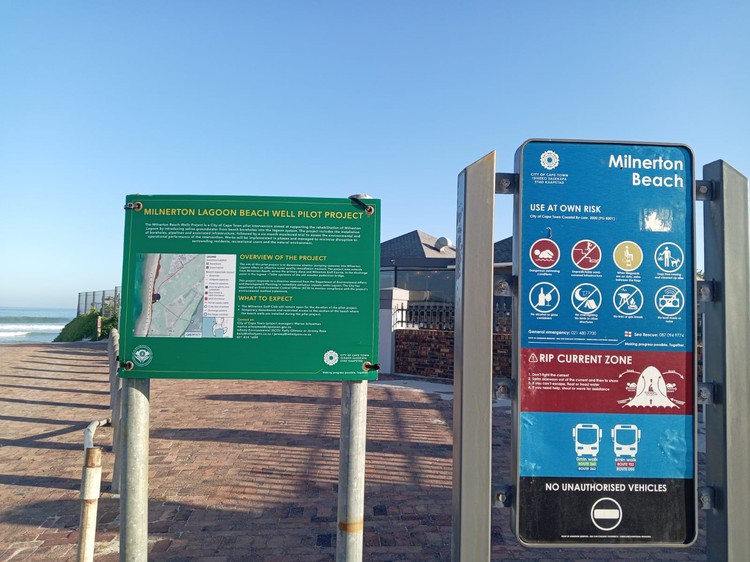
The Milnerton Lagoon, once heavily polluted, is experiencing some improvement in water quality after years of pollution. However, concerns remain about the effectiveness of the measures being taken to address the sources of pollution. Professor Kevin Winter from the University of Cape Town (UCT) reported that water quality data shows fewer bacteria, less chemicals, and less chlorophyll, indicating some improvement since 2024.
Yet, he emphasized that more time is needed for the water to improve further, as the main causes of pollution still need to be addressed.
The primary source of pollution is believed to be the Potsdam Wastewater Treatment Works, which releases over 40 million liters of effluent daily into the Diep River, just 5km upstream of the lagoon. Other contributors include stormwater from the Joe Slovo informal settlement and Montague Gardens industrial area, sewer pipe collapses, pump station overflows, and agricultural runoff from catchment areas.
Despite these efforts, serious sewage pollution events have occurred recently, with E. coli levels exceeding safe thresholds for water activities.
Caroline Marx, heading the environment portfolio of the Milnerton Central Residents Association, expressed disappointment over the repeated breaches of E. coli safety levels. She highlighted that the situation, despite improvements, has not been adequately resolved. The City of Cape Town has launched a R15-million pilot project to dilute pollution by extracting saline groundwater from the beach and adding it to the lagoon.
While this experiment aims to raise dissolved oxygen and salinity, it does not tackle the underlying pollution issues, and the sea will still receive the pollution, according to Winter.
Deputy Mayor Eddie Andrews stated that drilling the wells for this project would take two weeks, with water addition set to begin in early October. A six-month monitoring period will follow to assess the project's effectiveness. However, both Marx and Winter argue that the pilot project is insufficient without addressing the pollution sources. They stress that while the lagoon's recovery is promising, it is contingent upon eliminating pollution at its source.
Written by urgent.news from GroundUp's reporting — not their text. Machine-written — may contain errors; check the original before relying on it.