Closed-house systems may not solve poultry pollution, says MP
Bakri MP Tan Hong Pin says forcing small poultry farmers to switch to closed-house systems may drive them out of business and push up chicken prices.
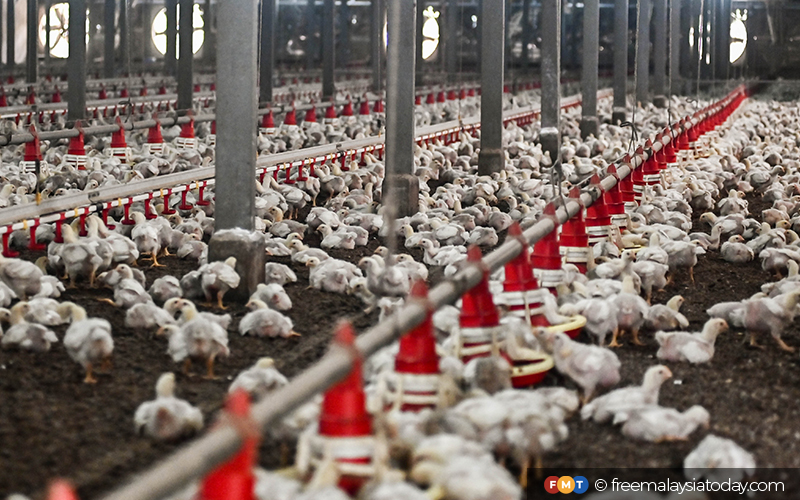
A Malaysian MP has cautioned that transitioning poultry farms to closed-house systems will not guarantee the resolution of pollution issues and may burden smaller farmers. Tan Hong Pin (PH-Bakri) stated that substandard farm management and improper animal waste handling are often the primary sources of pollution, irrespective of whether the chickens are raised in open or closed structures.
During a debate on the 2027 budget allocation for the agriculture and food security ministry, Tan highlighted that establishing closed-house systems can be prohibitively expensive for small-scale farmers, with costs ranging from RM55 to RM80 per bird. For a shed accommodating 10,000 chickens, the expenses could accumulate between RM550,000 and RM800,000.
Should farmers fail to secure funding before the transition period expires, they might face closure. While Tan acknowledged that closed systems facilitate waste management and odor reduction, he emphasized that flies could still be managed effectively in open sheds through consistent cleaning, dry bedding, and regular manure removal.
He cautioned that compelling small farmers to exit the industry could concentrate chicken production in the hands of a few large enterprises, diminishing competition and driving up prices. To mitigate this, Tan urged the ministry to collaborate with state governments and local authorities to implement changes gradually and consider exempting poultry farms with fewer than 100,000 birds from the mandate.
Meanwhile, another MP, Richard Rapu (GPS-Betong), advocated for the phasing out of conventional open pig farms in favor of modern, centralized facilities equipped with proper waste treatment and odor controls. He urged existing pig farmers to be granted ample time to upgrade their facilities, with non-compliant operators subsequently barred from operating.
Radzi Jidin (PN-Putrajaya) questioned the allocation of billions of ringgit for padi subsidies, noting that the expenditure equated to 82.4% of the total padi production value in 2025. He called for a comprehensive review of the subsidy program, querying whether the funds are benefiting farmers or middlemen. In closing remarks, Deputy Agriculture and Food Security Minister Chan Foong Hin concurred that the industry required a reevaluation, potentially shifting from subsidies for farming inputs to payments based on production output.
He also hinted at the possibility of revising the controlled price of local white rice, currently set at RM2.60 per kg, but cautioned that allowing price fluctuations might make rice less affordable for consumers. The deputy minister also disclosed that the ministry had lowered its rice self-sufficiency target for 2027 to 54%, due to anticipated challenges, particularly the El Niño weather phenomenon.
This target is lower than the 54.3% achieved in 2025, yet the government remains committed to producing 80% of the nation's rice needs by 2030.
Written by urgent.news from Free Malaysia Today's reporting — not their text. Machine-written — may contain errors; check the original before relying on it.
Also reported by 1 other outlet
- Closed-house systems may not solve poultry pollution, says MP freemalaysiatoday.com