Centre proposing parity in mineral taxation, states' rights to remain intact: Union Mines Secretary
Proposed amendments to the Mines and Minerals (Development and Regulation) Act are intended to create tax parity across states. This initiative aims to reduce reliance on imports by fostering local production and processing of critical minerals. The Indian government has introduced significant subsidies to support industries establishing lithium and nickel processing facilities. Approximately 58…
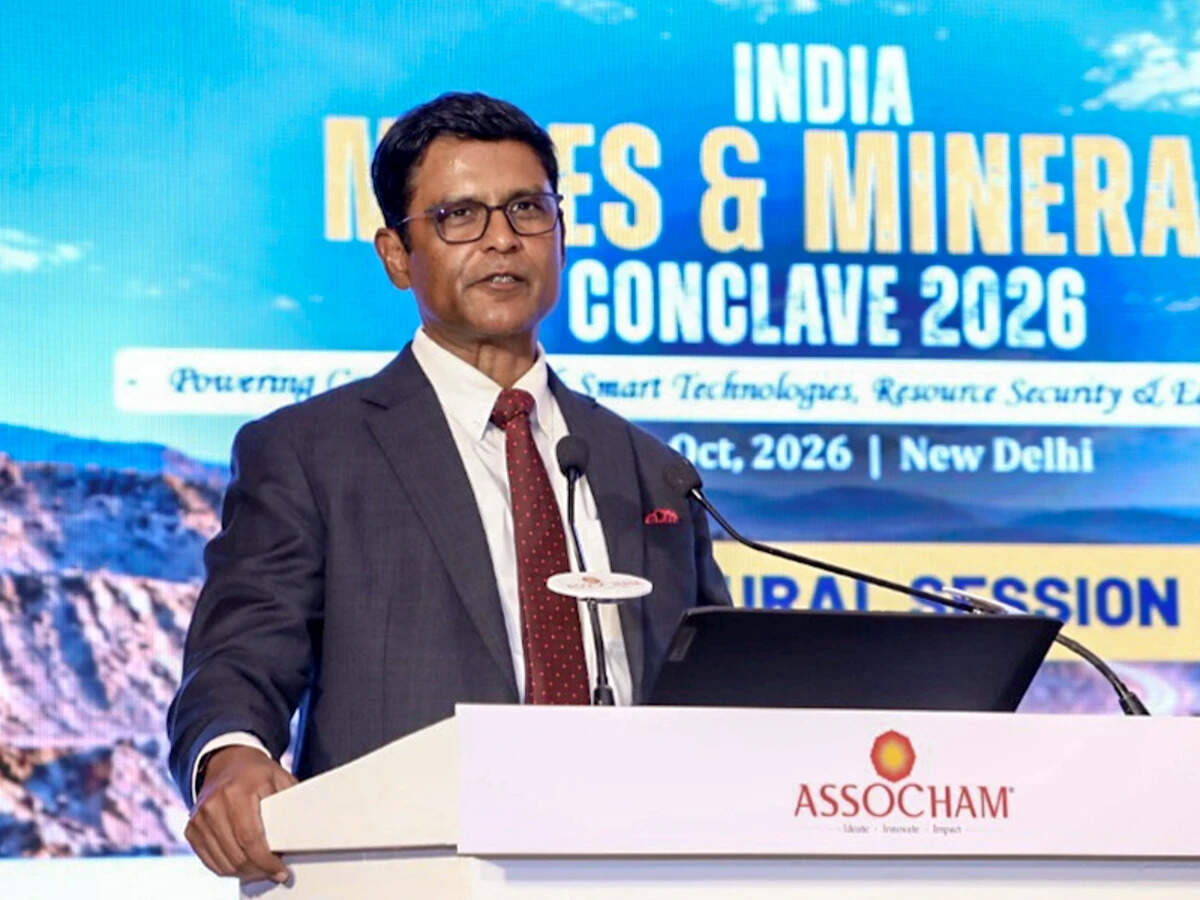
The Union Mines Secretary, Keshav Chandra, proposed amendments to the Mines and Minerals Act (MMDR Act) to achieve greater tax and production cost parity across Indian states while preserving their rights to levy taxes and cesses on minerals. Addressing a conference of mining ministers in South Goa, Chandra emphasized India's need to bolster its domestic capacity for exploring and processing critical minerals such as rare earth elements, lithium, and nickel.
These minerals are vital for manufacturing permanent magnets and batteries. The government has offered substantial subsidies for industries establishing lithium and nickel processing facilities and launched a scheme with a budget of ₹1,500 crore to promote the recycling of black mass and electronic waste. Around 58 recycling entities have registered, promising a combined processing capacity of 850 KTPA, a significant increase from the initially planned 270 KTPA.
Chandra highlighted the issue of significant disparities in mineral production costs and taxation between neighboring states, which could harm industries and drive economic activity to more favorable states. He stressed the necessity of tax parity and economic sense in imposing taxes and cesses uniformly on all minerals. Chandra clarified that the proposed amendments would not infringe on states' rights to collect taxes and cesses, as 92 to 93% of revenue from mining activities remains with states.
The Centre receives minimal revenue, primarily from GST, which is also shared with states. Chandra urged states to adopt a more balanced approach towards mining policies, advocating for a rational tax structure and a conducive economic environment to foster industrial growth. He emphasized the importance of cooperative federalism, recognizing the need to maintain states' rights while ensuring economic growth and competitiveness in the mining sector.
Written by urgent.news from Hindustan Times's reporting — not their text. Machine-written — may contain errors; check the original before relying on it.
This story
This is one outlet's version. Read the fullest account.