Carney uses higher oil revenue to spend on tax incentives, infrastructure in second Canadian budget
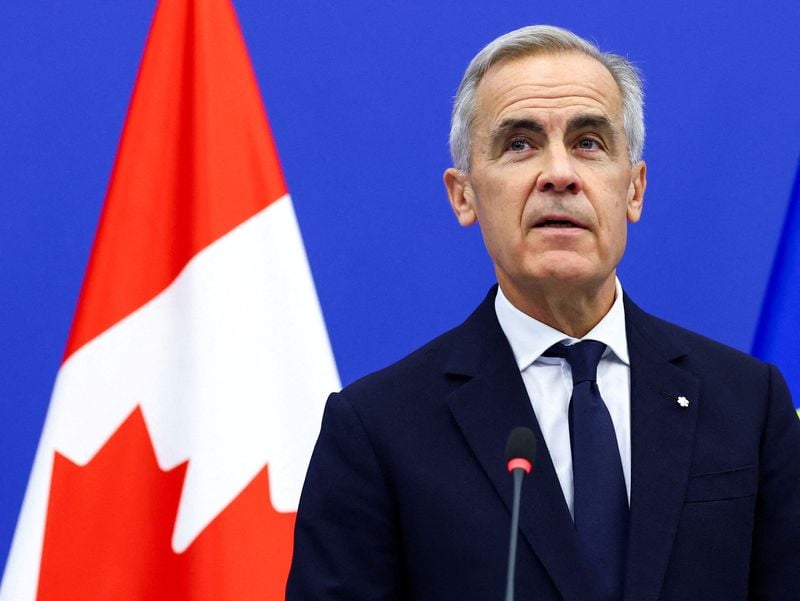
On November 5, 2025, Prime Minister Mark Carney presented Canada's second budget, which aimed to utilize oil revenue windfalls to spur productivity and construct infrastructure over the subsequent five years while maintaining the previous fiscal objectives, as reported by Reuters. The budget came in the wake of almost 20 months of tariffs imposed on Canadian goods by the United States, Canada's largest trade partner, which had disrupted supply chains, reduced exports, and hampered growth.
However, higher oil prices resulting from the Iran conflict had provided Ottawa with a fiscal windfall. The additional oil revenue allowed Finance Minister Francois-Philippe Champagne to propose augmented investments in infrastructure, such as an oil pipeline and electricity generation, and elevate GDP projections. Canada would retain its key fiscal ratios, including debt-to-GDP and deficit-to-GDP, which were anticipated to remain largely in line with earlier estimates.
Economists praised the investments as a positive step, as they could alleviate affordability concerns and upgrade infrastructure, but they cautioned that the government's projections relied on an optimistic outlook for sustained GDP growth and rising revenue. The budget's passage required approval by parliament, where Carney's Liberal party held a majority of seats.
The fiscal deficit for the preceding year tumbled to C$39.3 billion from the previously projected C$66.9 billion in April. The surplus in fiscal room amounted to C$158.3 billion, of which the government planned to spend up to C$142.1 billion over five years, including an additional C$10 billion announced since April 2026, on various initiatives.
The majority of the new spending would be directed towards a permanent tax incentive to assist businesses in expensing project costs upfront, a tax incentive for Canadian builders and infrastructure, a top-up for a consumer grocery rebate, social housing incentives, and defense. However, the government did not earmark any of the oil windfall for debt reduction.
The budget projected that federal debt would rise to C$1.59 trillion by 2030-2031 from C$1.37 trillion in the current 2026-2027 fiscal year. Nevertheless, due to higher GDP projections, federal debt-to-GDP would remain elevated but flat, with the government anticipating its debt financing cost to surge to 13.6% over the next five years from the current 11%.
Higher revenue and the assumption that new spending would bolster productivity enabled the government to project a slightly higher growth rate from its fiscal update in April. Nominal GDP was expected to increase by 1.5 basis points more than the government's previous estimate this fiscal year. The government stated its commitment to achieving its two primary fiscal goals — balancing day-to-day operating spending against revenue by 2028-2029 and maintaining a declining deficit-to-GDP ratio.
Written by urgent.news from Investing.com's reporting — not their text. Machine-written — may contain errors; check the original before relying on it.