Can we talk about climate change again? How the blue wave could spark a new era for green policies
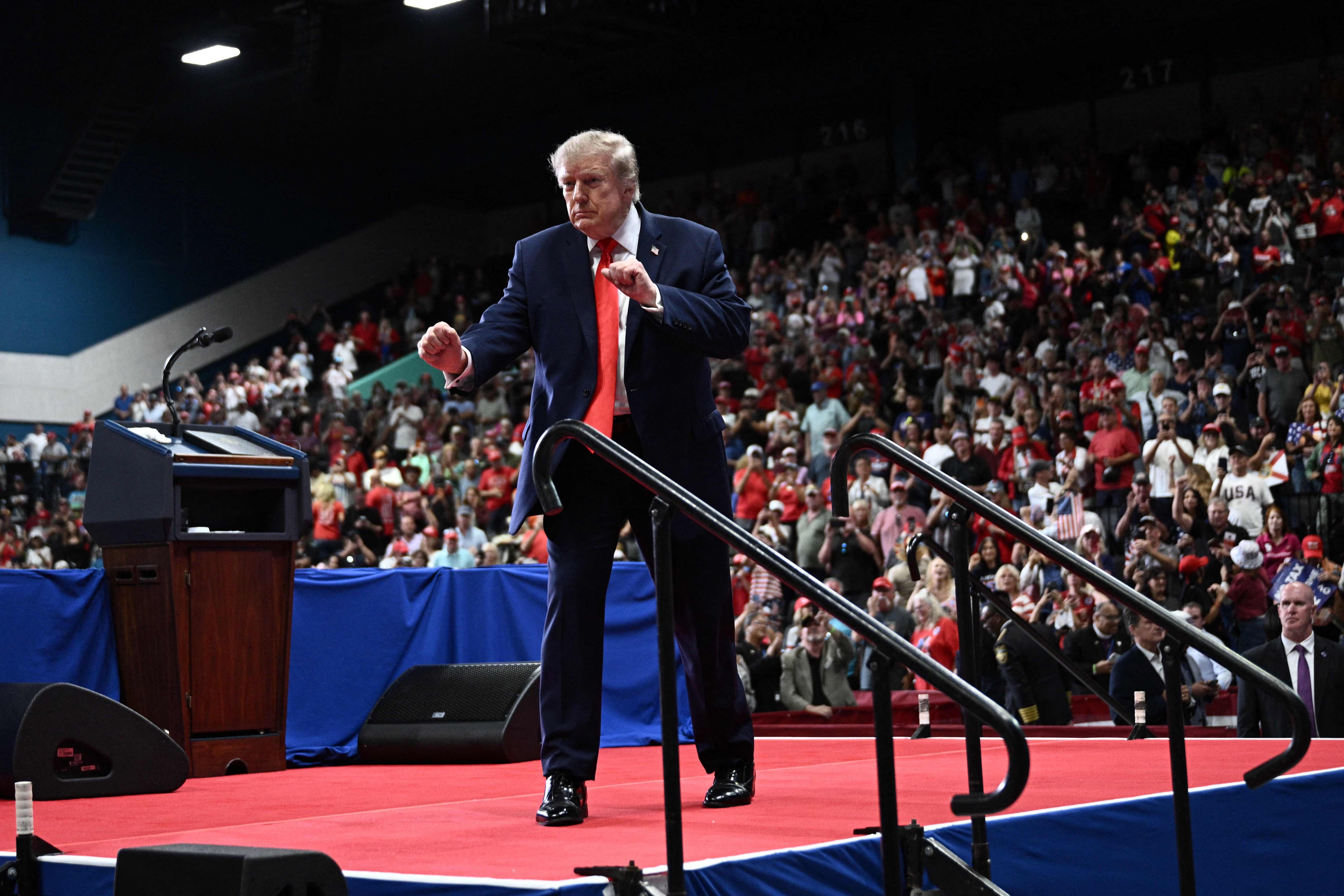
“Climate change” wasn’t exactly a prominent topic across 2026 midterm campaigns. But post-election, it’s clear that the climate still won big, and that means more climate action could be right around the corner. Donald Trump spent the first two years of his second term as president heavily attacking the environment, and the country’s climate efforts. And yet opposing candidates were warned not to…

The 2026 midterm elections may herald a new era for green policies, with climate change making a significant comeback in political discourse. Although the topic was not a focal point during the campaign season, opposition candidates were cautioned against prioritizing climate change, as it was deemed unimportant to swing voters.
In fact, only two of the eight critical Senate candidates (Abdul El-Sayed in Michigan and James Talarico in Texas) explicitly addressed climate change on their campaign platforms, yet both secured their Senate seats. Even incumbent Democrats have reportedly downplayed climate change in recent press releases, indicating a decline in its prominence.
Nonetheless, climate change infiltrated the midterms subtly, as candidates debated artificial intelligence data centers, rising energy costs, and the relationship between clean energy investments and reduced utility bills. Some candidates even openly endorsed climate action. In Michigan, for instance, Democrat Will Lawrence, a co-founder of the Sunrise Movement—a group instrumental in shaping Joe Biden's climate policies—defeated a Republican incumbent, thereby flipping a House seat.
The incoming Congress appears poised to pursue climate action, reminiscent of the 2018 midterms, when the Green New Deal emerged as a result of Trump's first term. Despite facing criticism, the Green New Deal gained substantial public support and laid the groundwork for President Biden's Inflation Reduction Act. Climate policy expert Leah Stokes from the University of California, Santa Barbara, believes that the fervor surrounding data centers could evolve into a push for clean energy jobs, similar to the Green New Deal's trajectory.
Addressing high energy costs and the impact of data centers is crucial to climate solutions, according to Stokes. By tackling these issues, Congress can pave the way for technologies like heat pumps and electric vehicles, which depend on affordable power. Moreover, clean energy tax credits, which the Trump administration repealed last summer, could be reinstated under a new Congress.
Stokes highlights that Republican presidents, such as George H.W. Bush and George W. Bush, have previously supported clean energy tax credits, suggesting that such policies could be revived when oil prices are high.
Written by urgent.news from Fast Company's reporting — not their text. Machine-written — may contain errors; check the original before relying on it.