Can decentralized phone networks power the AI revolution?
Decentralized AI networks want to turn everyday phones into an alternative to centralized computing infrastructure — but skeptics have their doubts.
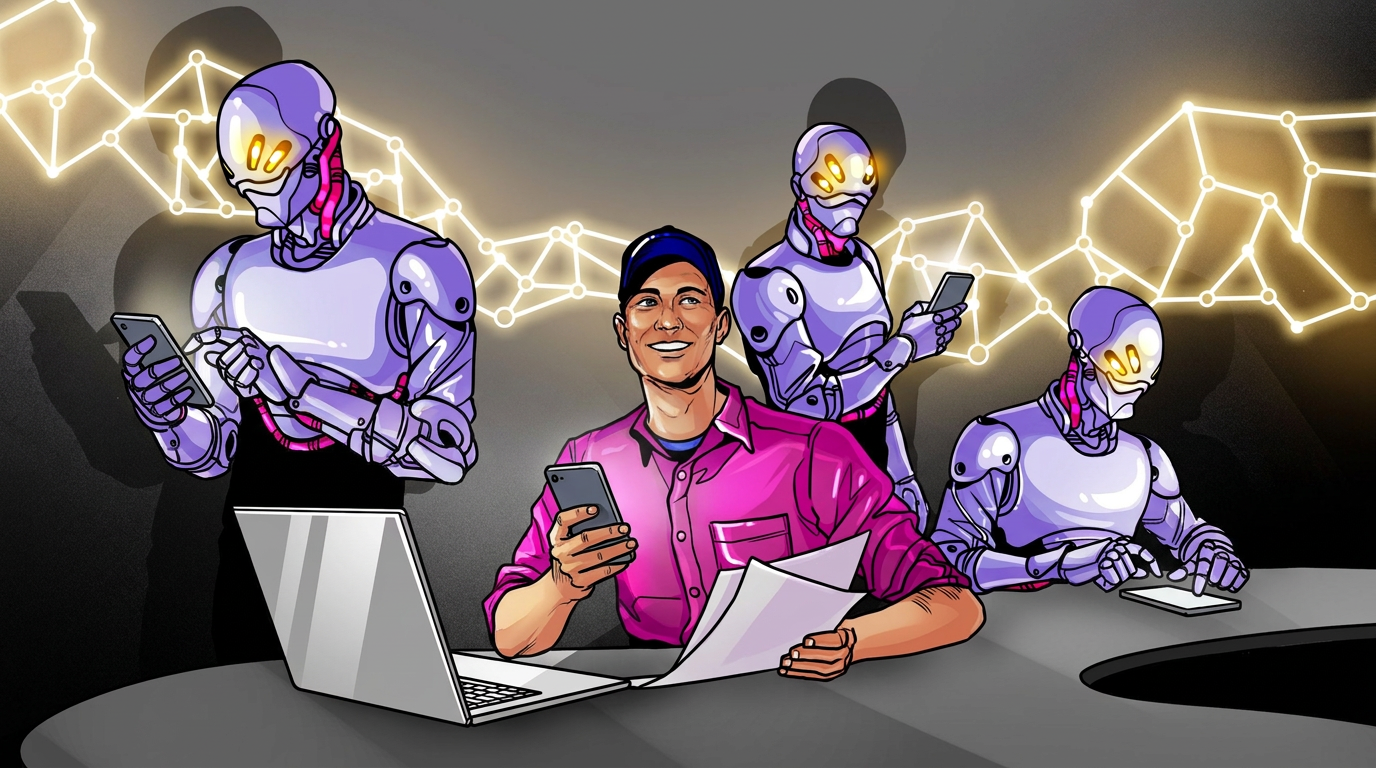
Decentralized AI networks aim to turn everyday smartphones into an alternative to centralized computing infrastructure, potentially reducing the need for energy-hungry data centers. With an estimated 7.68 billion mobile connections worldwide, billions of smartphones sit unused and could provide a vast pool of computing power. Decentralized AI networks are emerging, such as Acurast, which has onboarded over 335,000 smartphones and boasts around 40,000 fully active devices providing computing capacity for tasks like web scraping, cybersecurity, AI inference, and agent hosting.
These devices are particularly efficient for CPU-intensive workloads and offer built-in hardware security features for confidential computing. Another project, Phase, allows smartphone owners to provide internet connectivity and blockchain validation for AI agents, charging a fee for traffic and requests. However, coordinating the devices to provide predictable hardware, power, and connectivity is a challenge similar to data centers.
A 2025 study found that small groups of smartphones can deliver competitive performance in certain conditions, but real-world conditions may present more difficulties, as smartphones may disconnect, overheat, run out of battery, change networks, and have varying processing power and memory. Still, the potential benefits of decentralized AI networks could outweigh the challenges, offering a cost-effective solution compared to building data centers.
Written by urgent.news from Cointelegraph's reporting — not their text. Machine-written — may contain errors; check the original before relying on it.