Borderline blood test results: When should you worry about blood sugar, cholesterol and thyroid levels?
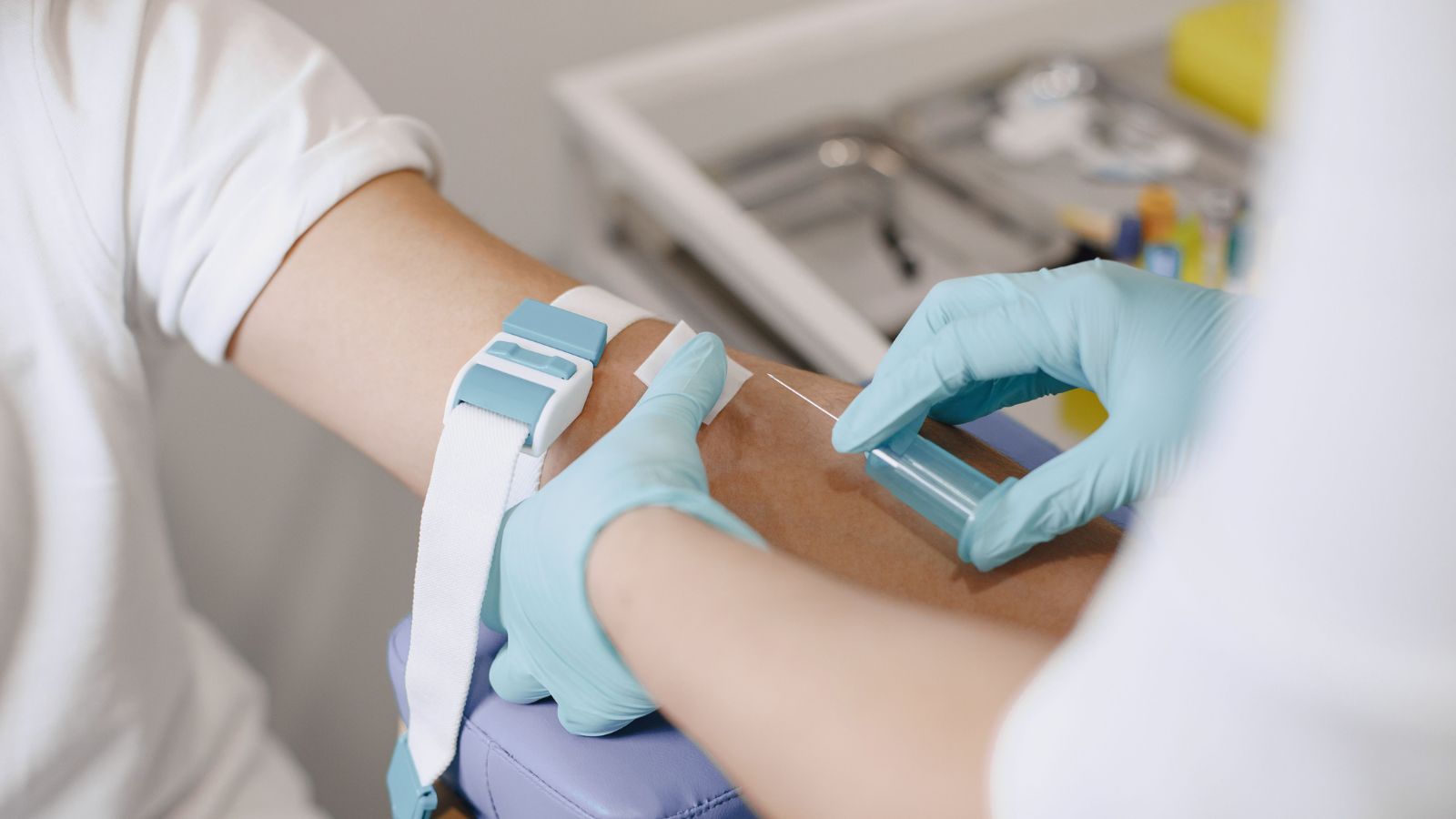
Borderline blood test results may not always indicate a serious health issue, but they warrant attention when there are associated symptoms and a family history of certain conditions. A borderline blood sugar level, between 100–125 mg/dL or an HbA1c of 5.7–6.4%, suggests a higher risk of developing diabetes. However, age plays a role in determining urgency; for young adults, immediate lifestyle changes are necessary, while older individuals may require monitoring.
Similarly, borderline cholesterol levels, such as LDL or triglycerides, may signal an evolving cardiovascular risk, particularly in those with hypertension, diabetes, obesity, or a family history of heart disease. In such cases, treatment may be warranted, especially for those over 50. Regarding thyroid function, a mildly elevated TSH level could indicate subclinical hypothyroidism, which may require treatment in women planning to start a family, but can be monitored in the elderly.
Low hemoglobin levels might suggest early iron deficiency or anaemia, while borderline vitamin B12 levels could indicate early deficiency, particularly in vegetarians and older adults. In conclusion, while borderline blood test results do not always indicate a serious condition, they should be taken seriously in the context of symptoms, family history, age, and other relevant factors.
Written by urgent.news from The Indian Express - Lifestyle's reporting — not their text. Machine-written — may contain errors; check the original before relying on it.