Black voters deliver a GOP reckoning
President Trump won historic levels of support from Black men in 2024. Two years later, those gains appeared to evaporate as Republicans suffered their worst midterm defeat in 50 years. Why it matters: Democrats feared the Supreme Court's decision weakening the Voting Rights Act would threaten their political future in the South. Instead, Black voters helped deliver historic Democratic victories…
In 2024, President Trump garnered unprecedented support from Black men, but this backing waned as Republicans faced their most significant midterm defeat in 50 years. Democrats capitalized on this shift, securing victories in Texas, Georgia, and potentially Mississippi. Roughly 90% of Black voters supported Democratic House candidates, while only about 10% backed Republicans.
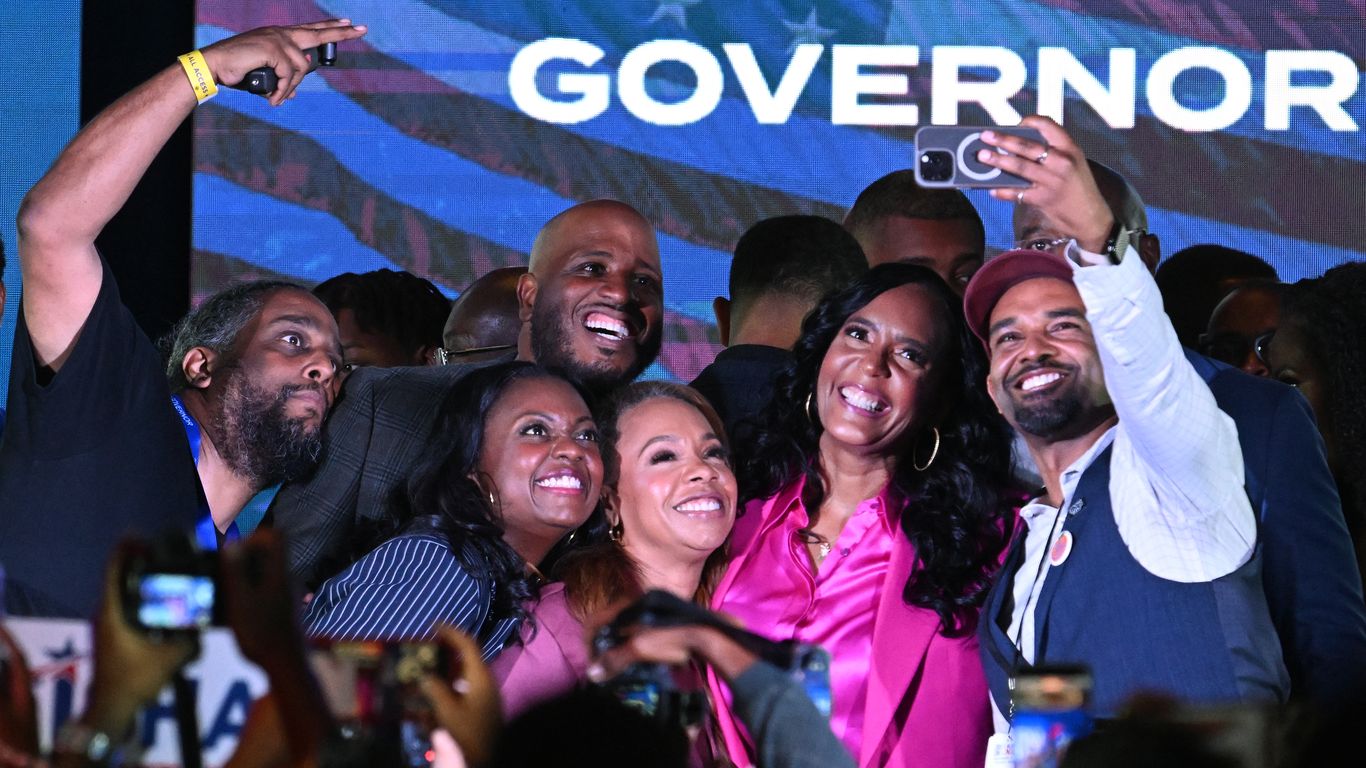
Only a quarter of Black men supported Republicans in 2024, compared to 84% in the 2024 national House exit poll. Black women overwhelmingly favored Democrats, with 90% backing them in Georgia and 90% supporting Democratic gubernatorial candidate Keisha Lance Bottoms in Atlanta. Two Democrats, Abdul El-Sayed in Michigan and James Talarico in Texas, won crucial Senate races with strong support from Black voters.
El-Sayed received 87% support among likely Black voters in Michigan, while Talarico led Republican opponent Ken Paxton 79%–12% in Texas. Democratic gubernatorial candidate Keisha Lance Bottoms received nearly 86,000 votes in Georgia, a significant increase from 2022, while Scott Colom led Republican incumbent Cindy Hyde-Smith in Mississippi's U.S. Senate election.
Despite Republican gains with Black votes in Florida, most Black voters backed Democrat David Jolly. Election returns don't prove a surge in Black turnout, but early voting in Georgia showed heightened participation. Voting rights concerns may have motivated some Black voters. Yolanda Renee King, the granddaughter of Martin Luther King Jr., cast her first ballot in Atlanta.
Democrats needed Black voters to win, and the results suggest they held together a coalition that looked vulnerable after 2024, potentially granting Black voters more influence heading into 2028.
Written by urgent.news from Axios's reporting — not their text. Machine-written — may contain errors; check the original before relying on it.