Asian rice price climbs near 2-year high in inflation threat
El Nino is disrupting production of the staple grain, as drier-than-usual weather poses a hurdle for crops in major growers like India, the world’s leading exporter.
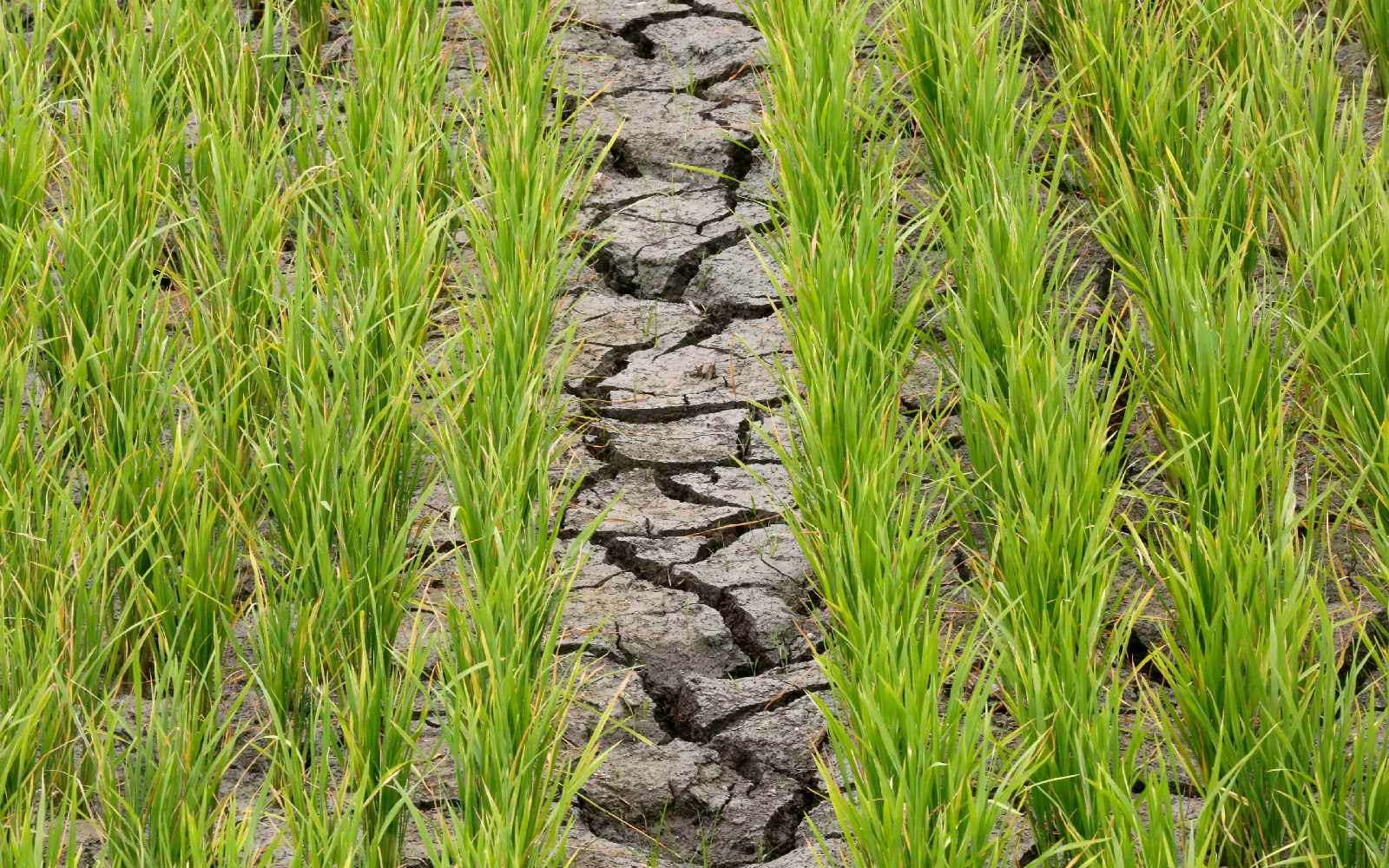
El Nino weather phenomenon has caused a surge in Asian rice prices to near a two-year high, potentially accelerating food inflation, according to reports. The powerful weather pattern has led to drier conditions across South and Southeast Asia, which is responsible for producing over half of the world's rice supply. The benchmark price for the staple grain has climbed to its highest level in nearly two years, threatening to push up food prices globally.
Farmers in various Asian countries are currently harvesting the grain, but the drier-than-usual weather has posed significant challenges for crop yields, particularly in major exporters like India. The US agriculture department predicts that global production will decline this season for the first time in over a decade. This decline in supply, coupled with rising demand, is driving up rice prices worldwide.
Thailand, another key exporter, is experiencing a significant impact from the El Nino weather pattern. The country's white rice prices have surged to US$499 per tonne, the highest level since December 2024. This increase comes as rough rice futures in Chicago have risen by more than 80% since the beginning of the year. Despite the other major grains, such as corn and wheat, seeing a decline in prices, rice remains the most affected.
The El Nino weather phenomenon is one of the most powerful on record and is linked to drier conditions across much of South and Southeast Asia. In Thailand, which produces the majority of the world's rice, the main production risk lies in the off-season crop, which relies heavily on irrigation. The USDA's Foreign Agricultural Service reported this concern in a recent assessment.
While higher wholesale prices take time to trickle down to retail markets, there are already signs of rising costs in some regions. Rice prices in the Philippines, the world's largest importer, have jumped by 21% in October compared to the same period last year, according to government data released on Thursday. Rice is a dietary staple for a large portion of the population in Asia, Africa, and the Middle East.
The United Nations Food and Agriculture Organization (FAO) also expects a decline in global output during the 2026-27 season due to the adverse effects of the El Nino weather pattern.
Written by urgent.news from Free Malaysia Today's reporting — not their text. Machine-written — may contain errors; check the original before relying on it.
This story
This is one outlet's version. Read the fullest account.
- Asian rice price climbs near 2-year high in inflation threat freemalaysiatoday.com