After US$474m gamble flops, what happens now to Elon Musk’s Tesla, SpaceX and China ties?
Elon Musk bet nearly half a billion dollars that political spending could keep Washington friendly to his sprawling business empire. On Tuesday, that bet came up short. As Democrats recaptured control of the US Congress in the midterm elections, the world’s richest man found himself facing an abruptly altered political landscape. After pouring a record-breaking US$474 million into political…
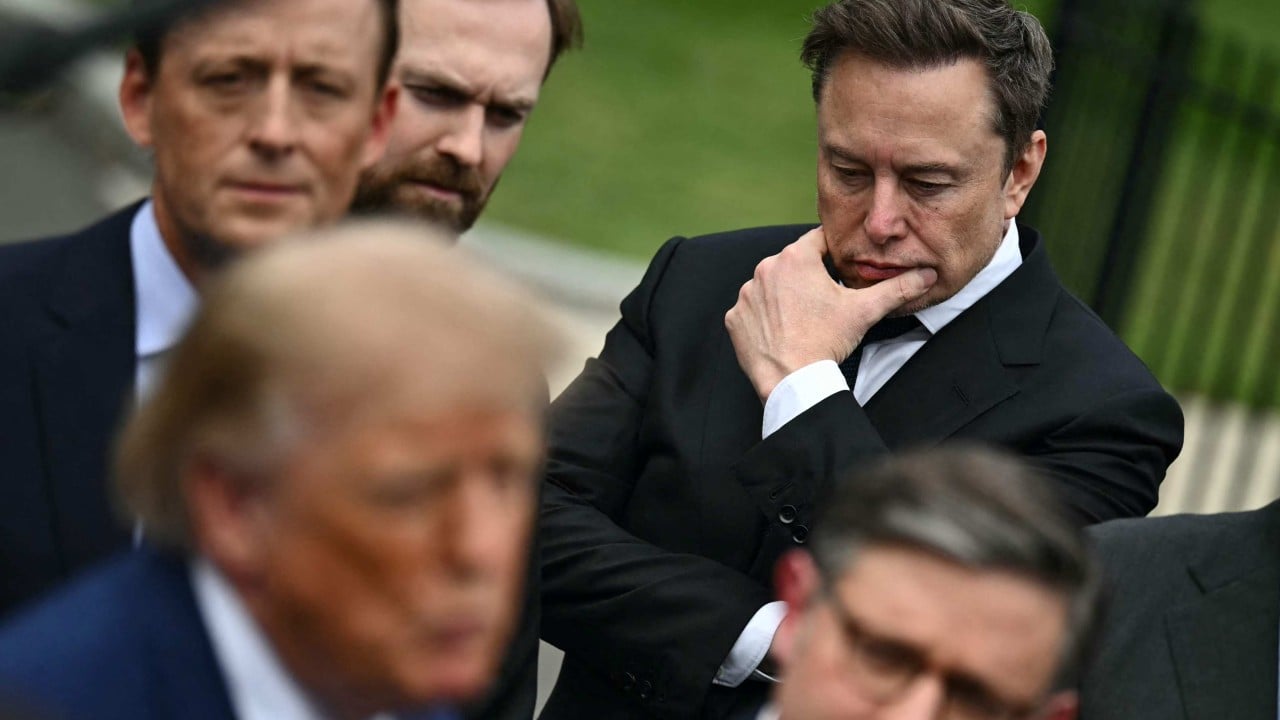
Elon Musk's massive US$474 million political spending gamble backfired as Democrats took back control of the US Congress. The world's richest man had poured the funds overwhelmingly into Republican groups during the midterm elections, hoping to maintain friendly relations with Washington. However, the political shift now threatens to complicate operations across Musk's various businesses, including Tesla, SpaceX, and his AI venture xAI.
Markets reacted swiftly, with SpaceX shares falling 4% and Tesla plummeting 5% shortly after the opening bell on Wednesday. Musk attempted to downplay the setback on social media, joking about his "election-interfering space lasers" failing to work.
The new Democrat-controlled Congress is expected to scrutinize Musk's government contracts and potential conflicts of interest involving SpaceX and Tesla. SpaceX, as a major defense contractor, is particularly vulnerable to congressional oversight. Democrats have already signaled their intent to examine Musk's government contracts and SpaceX's military deals, as well as his conduct during his tenure as head of the Department of Government Efficiency (Doge).
A key issue is the intersection of Musk's defense portfolio and Tesla's extensive reliance on China. Tesla's Shanghai Gigafactory is responsible for more than half of the company's global vehicle deliveries, and the company also produces energy-storage batteries in Shanghai. To support its US expansion, Tesla has been in talks to buy Chinese solar manufacturing equipment worth nearly US$3 billion.
The political pressure on Musk's operations in Shanghai could be significant, as Democrats may frame the issue as a security concern rather than a cost advantage. Christopher Tang, a professor specializing in global supply chains at the University of California, Los Angeles, noted that Washington controls contracts and clearances, while Beijing controls inputs, cost, and speed.
Therefore, any review of Tesla's merger with SpaceX is likely to examine whether sensitive aerospace and defense technology could remain effectively insulated from Tesla's Chinese supply chain.
Written by urgent.news from South China Morning Post's reporting — not their text. Machine-written — may contain errors; check the original before relying on it.
This story
This is one outlet's version. Read the fullest account.
- After US$474m gamble flops, what happens now to Elon Musk’s Tesla, SpaceX and China ties? scmp.com
- Elon Musk's specialists may be advising Russia on communications systems – Ukrainian aviation expert english.nv.ua
- Elon Musk mocks US election results after GOP defeat despite major donations english.ajel.sa
- Shares of Tesla and SpaceX sink as Elon Musk's post-election rout gets worse qz.com