African climate negotiators warn against debt-driven energy transition ahead of COP31
The African Group of Negotiators on Climate Change (AGN) has warned that the global transition away from fossil fuels cannot be considered just if developing countries are forced to take on unsustainable debt to finance climate action. The group says mounting sovereign debt obligations are limiting the ability of African governments to invest in renewable energy, strengthen climate resilience and…
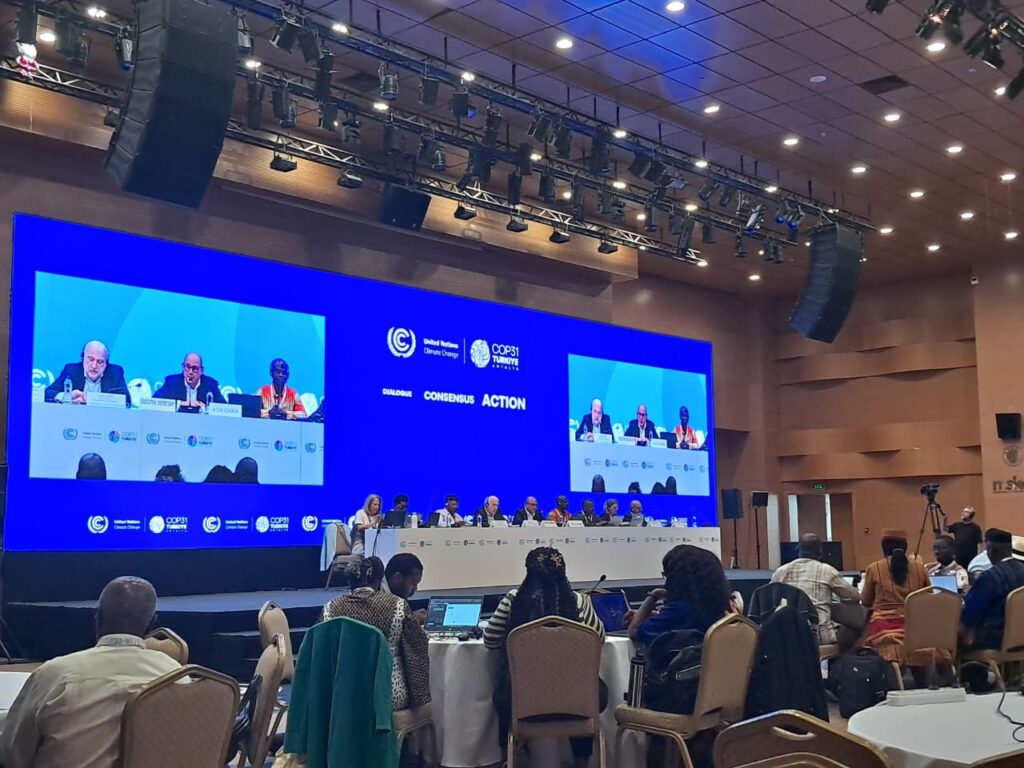
The African Group of Negotiators on Climate Change (AGN) has cautioned against a fossil fuel transition that would burden African nations with unsustainable debt. The warning precedes the 31st United Nations Climate Change Conference (COP31), set to take place in Antalya, Türkiye from November 9 to 20, 2026. African negotiators, representing 54 countries, argue that the continent's relatively low greenhouse gas emissions do not justify the high debt obligations that hinder their ability to invest in renewable energy, climate resilience and essential public services.
More than two-thirds of low-income countries are either unable to meet their debt obligations or face a high risk of distress. Instead of grant-based and concessional support, much climate finance from developed nations is in the form of loans, exacerbating repayment burdens for vulnerable economies. Debt servicing currently absorbs around 65% of government revenue in the most climate-vulnerable countries.
This financial strain is particularly acute for nations already grappling with the impacts of climate change. The AGN highlights Nigeria as an example, where fossil fuels account for nearly 90% of export value, and the country's dependence on oil exports, coupled with mounting debt obligations and volatile global petroleum prices, creates challenges in mobilising resources for the energy transition.
African nations have set ambitious renewable energy and adaptation targets in their Nationally Determined Contributions, yet a significant portion of these plans depend on international financial support that has not yet materialised. At COP31, the AGN aims to secure predictable and substantial climate finance that aligns with the cost of implementing national commitments; shift from sovereign loans to grant-based and concessional financing; and direct more resources through African financial institutions, national entities, and regional development mechanisms.
The group insists that African countries should not have to choose between addressing climate change and meeting their development needs.
Written by urgent.news from MyJoyOnline Ghana's reporting — not their text. Machine-written — may contain errors; check the original before relying on it.