Ads in Chatbots Have Arrived. Here’s What’s Working—and What’s Not
As Anthropic maintains its vow to keep ads out of Claude, the rest of the AI chatbot industry is racing to win over advertisers without antagonizing users.
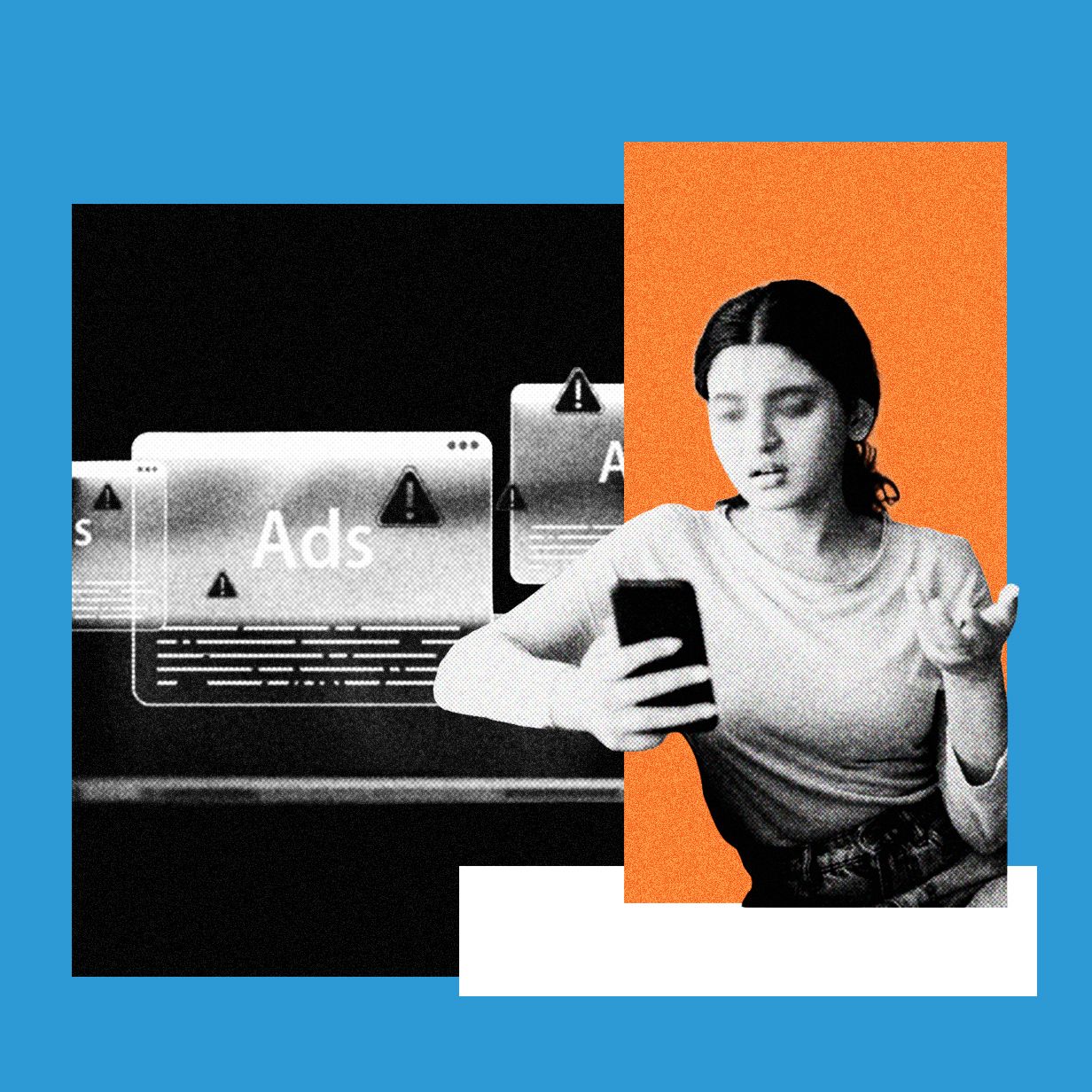
Anthropic, the company behind the AI chatbot Claude, has pledged to keep its chatbot ad-free. Despite this, the chatbot industry may need to sell ads to offset the high costs of generating AI responses. OpenAI has already embraced advertising, with over 100,000 customers advertising in ChatGPT since ads launched there in February.
Google has also expanded ads in its search chatbot AI Mode to 10 more countries and claims users find them highly relevant. Advertisers are not entirely satisfied but anticipate performance improvements.
Koah Labs, a new ad technology company, is among those focusing on AI experiences. It markets itself as bringing ads to over 200 apps, including DeepAI and Liner. Koah CEO Nic Baird believes Koah is gaining insights into what works and what doesn't as chatbots become more prevalent. Machine-crafted ads, composed partly by AI, generate double the clicks compared to human-generated ads.
This natural feel likely stems from ads being grounded in product details and imagery supplied by advertisers, avoiding AI-hallucinated information.
However, some advertisers, like drugmakers, face government restrictions on their ad content, leading to inferior results when relying solely on AI control. Koah tries to strike a balance between engaging users and avoiding risk-averse brands. Creative targeting is possible with chatbots, as ads can be customized based on the user's conversation history, not just the initial prompt.
Koah receives the entire conversation up to the point of displaying an ad, which could lead to more personalized and relevant ad experiences. However, privacy concerns may arise as users become accustomed to multiple topics within chatbot conversations.
One challenge for advertisers is that about a quarter of chatbot queries relate to returns, exchanges, or support issues. Koah believes chatbots present an opportunity for advertisers to address customer success matters more effectively, potentially preventing costly customer service interactions. However, the ideal outcome could be resolving issues swiftly through AI assistance, while the worst case is a wasted ad buy and a dissatisfied customer.
Written by urgent.news from Wired's reporting — not their text. Machine-written — may contain errors; check the original before relying on it.