You, too, can build this ESP32 touchscreen remote that fits in your pocket
It looks like a pocket watch for the 21st century.
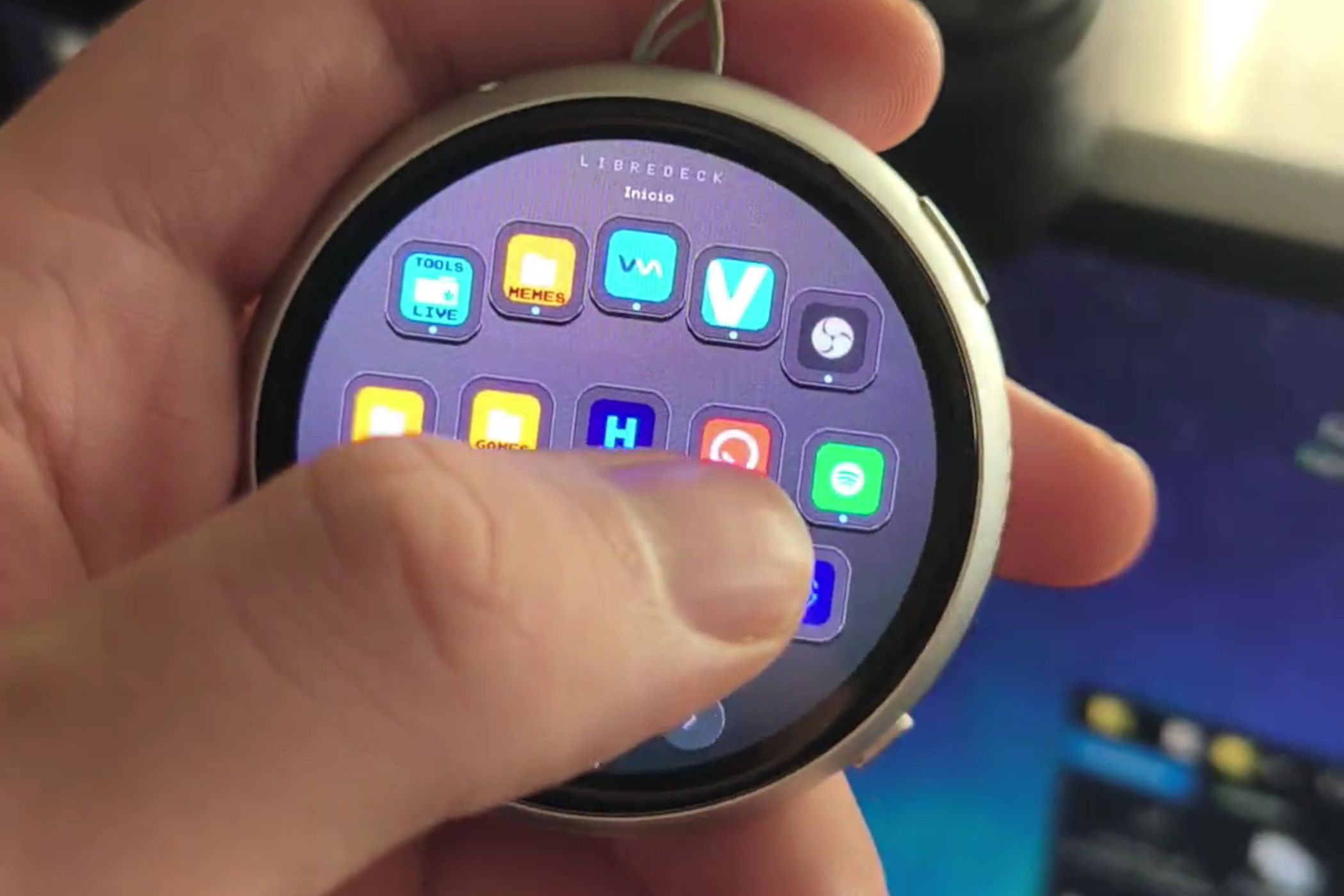
The idea of reviving the classic pocket watch has taken on a new meaning, thanks to a creative project called LibreDeck. This compact, pocket-sized remote controller, designed by Víctor Santiago Martínez Picardo on the ESP32 subreddit, combines the convenience of a Stream Deck with the style of a modern AMOLED touchscreen. Initially aimed at setting up AutoHotkey scripts, LibreDeck has evolved into a versatile tool with an Android client and a desktop interface for secondary touchscreen displays.
The developers even experimented with using Godot, a game engine, to create a touch-friendly interface.
To make LibreDeck truly pocket-friendly, the team opted for the Waveshare ESP32-S3 Touch AMOLED 1.75C, a device that strikes the perfect balance between size and functionality. Interestingly, the device's round design gives it a nostalgic pocket watch appearance. The result is a sleek remote control that can be easily retrieved from one's pocket to control various devices via its user-friendly touchscreen buttons.
This compact and innovative gadget not only pays homage to the traditional pocket watch but also adds a modern twist, making it an incredibly handy tool for anyone seeking a more streamlined way to manage their devices. For those interested in exploring this fascinating project, the complete details are available on the LibreDeck GitHub repository.
Written by urgent.news from XDA Developers's reporting — not their text. Machine-written — may contain errors; check the original before relying on it.