Winter delicacy returns to Korea as plunging Pacific catch drives up prices
As the first crisp autumn winds sweep across the East Sea, the port city of Pohang in North Gyeongsang Province begins producing "gwamegi" — Korea’s cherished winter delicacy of dried Pacific saury. But this season, a sharp slump in oceanic catches is turning the savory staple into a luxury commodity. Pohang launched a nationwide promotional blitz on Wednesday at the National Assembly in Seoul,…
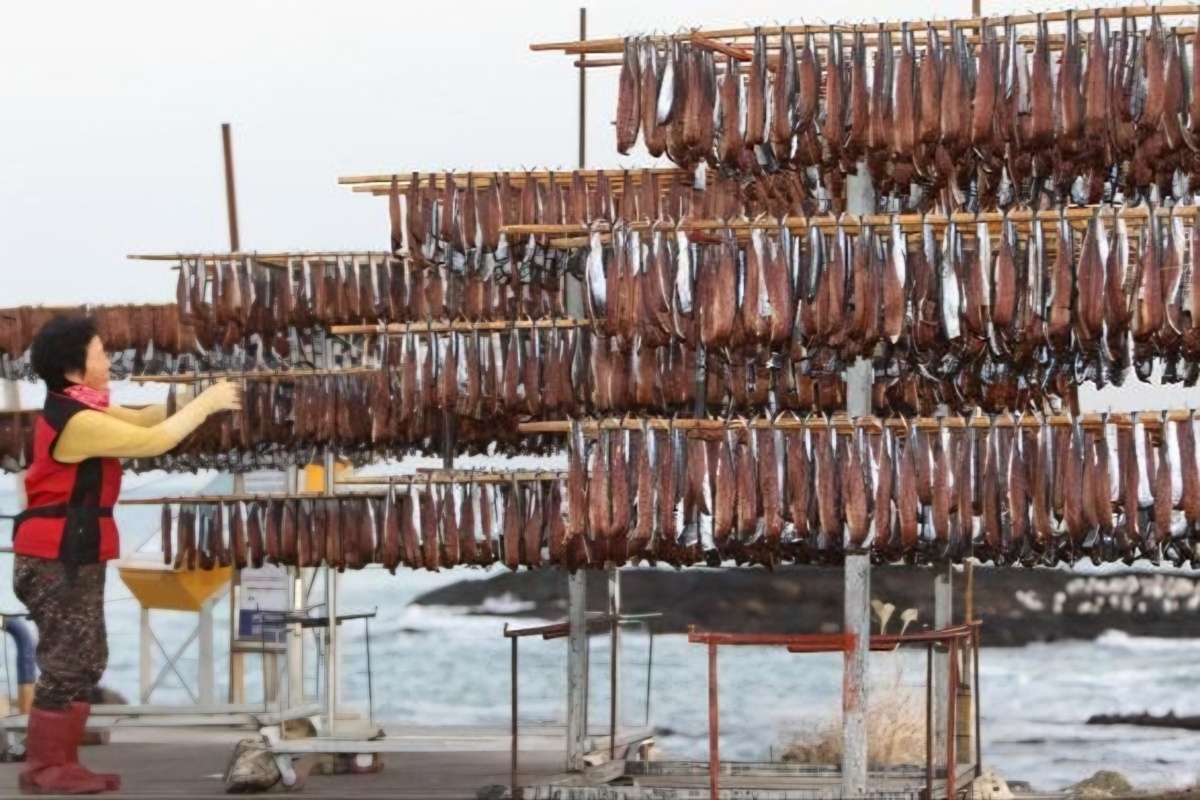
The winter delicacy gwamegi, a cherished Korean specialty made from dried Pacific saury, is once again making its way to the nation's tables. However, this season's production is facing challenges due to a significant decline in oceanic catches off the Pacific coast. The port city of Pohang, located in North Gyeongsang Province, is spearheading efforts to promote the 2026-2027 gwamegi season through a nationwide campaign at the National Assembly in Seoul.
Renowned for its distinctive chewy texture and robust, savory taste, gwamegi is traditionally prepared in the coastal town of Guryongpo. The fish are hung on wooden racks to dry and cure over several weeks, a process enhanced by the chilling night temperatures and strong coastal winds. In Korean cuisine, gwamegi is revered as a nutrient-rich winter superfood, abundant in omega-3 fatty acids that contribute to cardiovascular health and improved circulation.
Typically, the delicacy is served wrapped in fresh seaweed or perilla leaves, accompanied by spring onions and a seasoning of vinegar and chili sauce. Yet, this year, the dwindling supply of Pacific saury is driving up prices and making the already luxurious cuisine a true delicacy for the discerning food enthusiast.
Written by urgent.news from The Korea Times's reporting — not their text. Machine-written — may contain errors; check the original before relying on it.