Why pharma firms are going to Earth’s orbit in search of new cancer drugs
A space capsule 300 miles above us is growing the tiny crystals of a potential cancer drug in microgravity Roughly 300 miles above our heads, three washing machine-sized capsules are orbiting the Earth. Inside one of them, tiny crystals of a potential cancer drug are being grown in the weightlessness of space. The others are testing heat protection materials and navigation systems for when the…
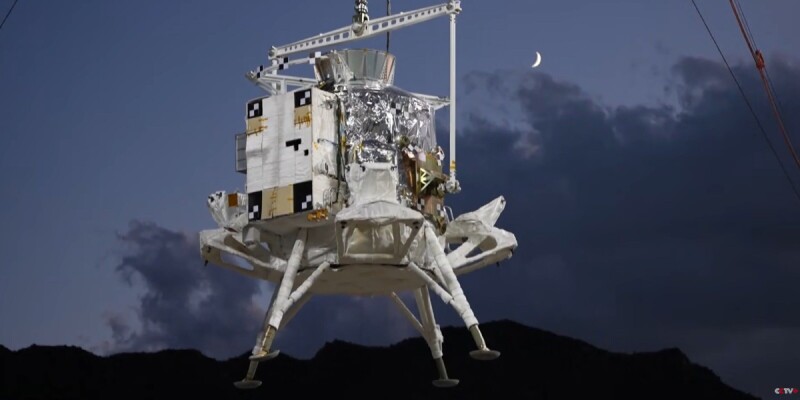
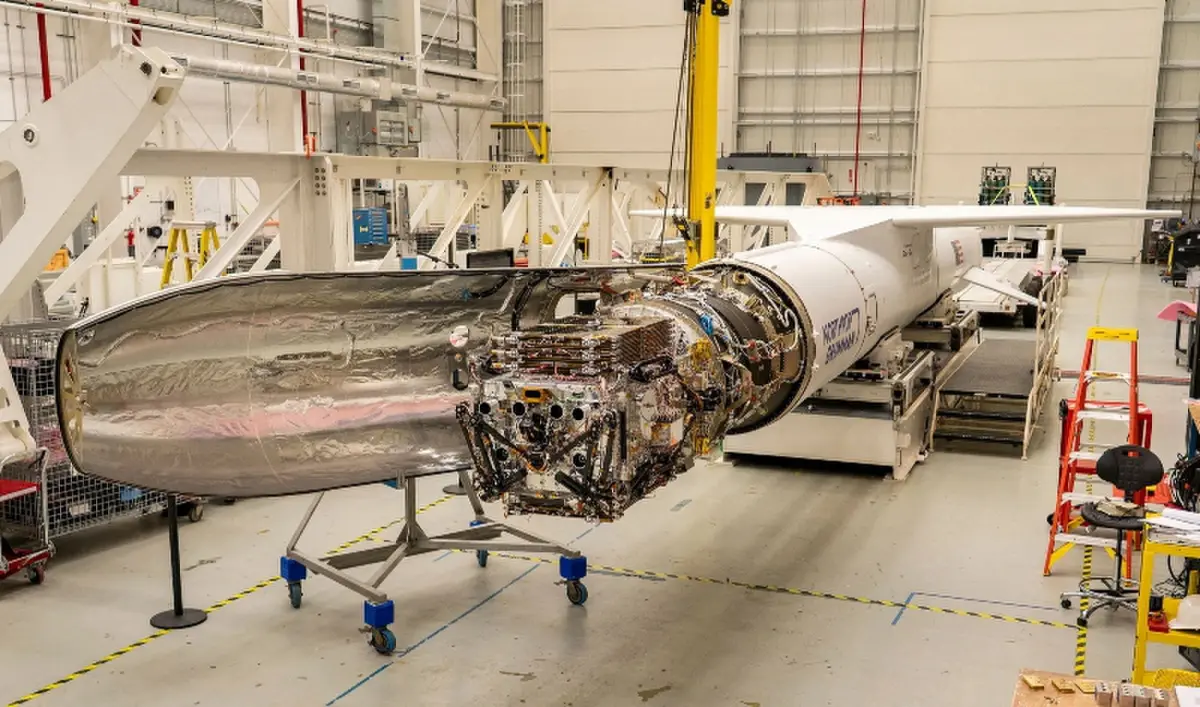
Several commercial space capsules are orbiting Earth at a height of roughly 300 miles, with one of them housing potential cancer drug crystals grown in microgravity conditions. The other capsules are testing heat protection materials and navigation systems for re-entry through Earth's atmosphere at hypersonic speeds. California-based Varda Space Industries launched two spacecraft on October 1 and a third on October 20, becoming the first company to send multiple commercial re-entry vehicles simultaneously into orbit.
Microgravity allows for the growth of more ordered crystals, which can improve drug formulation, dissolve, stability, and administration methods. Other materials like semiconductors could also benefit from manufacturing in space due to reduced defects. Scientists have been experimenting with microgravity manufacturing since the 1970s, primarily aboard the International Space Station (ISS).
However, the ISS is being retired around 2030 and isn't optimized for manufacturing. Companies are developing commercial space stations and specialized laboratories to conduct experiments. Varda's autonomous spacecraft, known as free-flyers, hitch a ride into orbit aboard SpaceX rockets, where materials can be processed without human interference.
Once experiments are complete, a capsule separates, descends through the atmosphere, and lands safely back on Earth. Varda plans to launch more missions in 2027 and 2028, aiming to demonstrate the viability of space manufacturing for pharmaceuticals and other materials.
Written by urgent.news from Guardian Health's reporting — not their text. Machine-written — may contain errors; check the original before relying on it.