Who pays when the monsoon hits? — Mohd Zulfakar Mohd Nawi and Salme Yahya
NOVEMBER 4 — Ask any Malaysian cook why a plate of nasi campur costs more than it did a few years ago, and the ans...
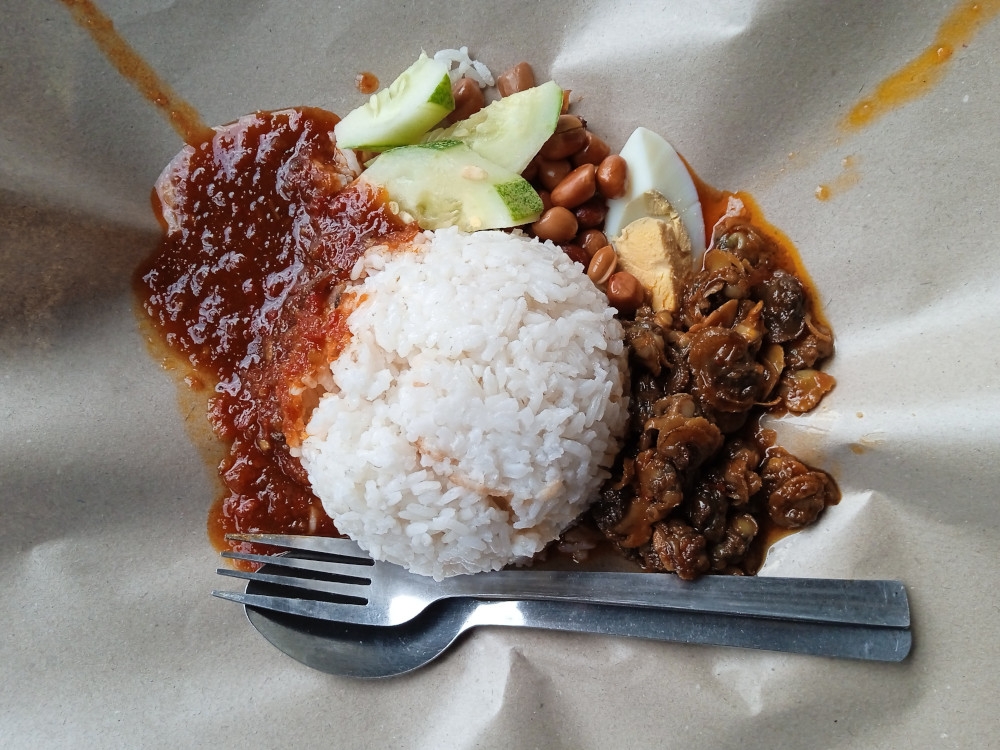
In Malaysia, the northeast monsoon season brings a ripple effect in prices, particularly in the food service sector. Flooded fields in Johor, Perak, and Kelantan lead to increased costs for wet market ingredients, which then trickle down to homes, schools, and hospitals. This cycle repeats annually, but is often treated as a surprise every time.
About half of the vegetables consumed in Malaysia are imported, yet the country is not self-sufficient in producing these greens. The reliance on imports becomes problematic when monsoon rains hit faraway farms in Thailand and Vietnam.
Institutions like schools and hospitals, which have fixed budgets, are especially vulnerable to price fluctuations. When the cost of ingredients rises, operators often reduce portion sizes, substitute cheaper ingredients, and compromise on nutritional quality. This has a detrimental impact on public health, as Malaysia already struggles with a double burden of malnutrition, characterized by both undernutrition and obesity.
To mitigate these issues, there are three key policy changes suggested: first, institutional meal rates should adjust to food prices, providing a buffer during supply emergencies; second, menus should prioritize nutrients over specific dishes, allowing for substitutions when key ingredients become scarce or expensive; and third, schools and hospitals should establish contracts with farmers who employ climate-resilient farming techniques. This would ensure a steady supply of affordable, nutritious produce even during monsoon season.
Written by urgent.news from Malay Mail's reporting — not their text. Machine-written — may contain errors; check the original before relying on it.