When Cultures Collide in Crisis
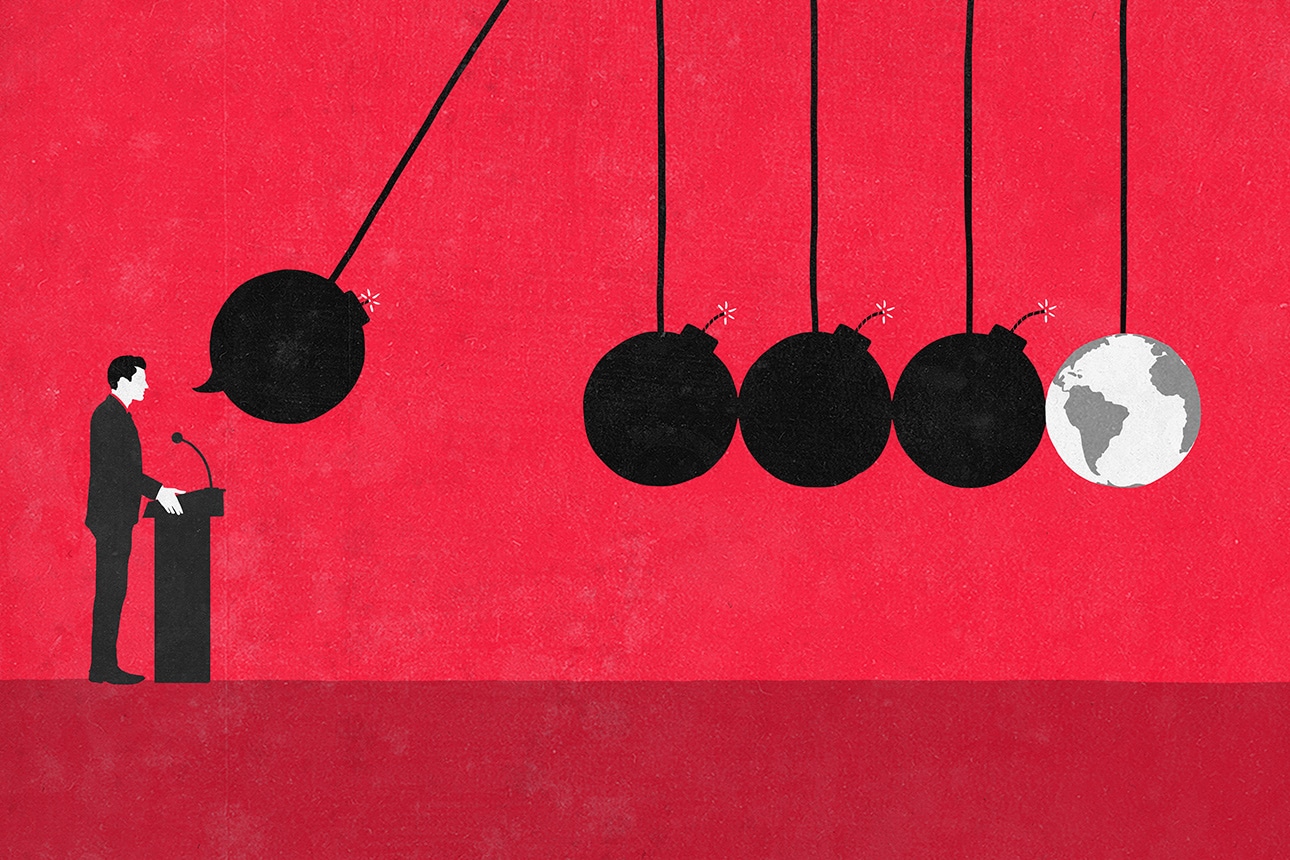
Sergio Ingravalle/Ikon Images High-stakes disruptions test businesses’ cultural agility as well as their operational resilience. As supply chains stretch across continents and leadership teams span time zones, cultural agility becomes a business essential. Many crises now unfold across cultures as much as they do across borders, but few executives are prepared for what happens when […]
Cultural clashes and communication breakdowns can have catastrophic consequences in crisis situations, as illustrated by two tragic air disasters that occurred just a few months apart in 2026 and 2013. In March 2026, Air Canada Flight 052 collided with a fire truck on landing at New York's LaGuardia Airport, resulting in the deaths of both pilots and numerous passenger injuries.
The airline's CEO, Michael Rousseau, issued a public statement expressing condolences and outlining the company's response. However, Rousseau's message, conveyed entirely in English, was met with criticism from many Quebecois, who viewed it as a lack of respect for French – the language of Quebec's bilingual province.
This incident mirrors an earlier crisis in 2013 when a runaway train owned by a U.S. rail company exploded in Lac-Mégantic, Quebec, killing 47 people. Following the disaster, the company's chairman, Edward Burkhardt, arrived from Chicago and communicated exclusively in English to the shaken Quebecois community. Just as with Rousseau's response, Burkhardt's approach was seen as cold and detached by the grieving community, who valued leadership that demonstrated presence, compassion, and acknowledgment of loss.
The common thread between these two crises is the failure to align cultural expectations with effective communication in times of disaster. Both Rousseau and Burkhardt prioritized clear, concise statements in English, failing to recognize that the Quebecois community expected different forms of engagement and expression of empathy.
In the Avianca Flight 052 crash, the pilots' reluctance to use explicit distress phrases like "mayday" or "emergency" was a result of Colombian cultural norms and the pilots' training, which emphasized courtesy and deference to authority. In turn, American air traffic controllers, operating within their own communication system, misinterpreted the pilots' indirect message as a manageable problem.
These examples highlight three key cultural challenges that can impede crisis response: communication breakdowns, pushback under pressure, and the varying expectations for leadership in moments of disruption. Direct communication styles, which are valued in some national and professional cultures, can be misinterpreted as aggression or disregard in others.
In a crisis, hesitation to escalate concerns may be a clear signal of danger, but it may be expressed in ways that don't align with the receiver's expectations. The impact of cultural differences on crisis response underscores the importance of developing cultural agility and adapting leadership styles to meet local expectations for empathy, respect, and shared identity.
As global disruptions become more frequent and complex, organizations must prioritize cultural understanding to mitigate the risks of miscommunication and ensure effective decision-making in the face of adversity.
Written by urgent.news from MIT Sloan's reporting — not their text. Machine-written — may contain errors; check the original before relying on it.