What’s the Difference Between an Ebike and an E-Moto?
Riders and lawmakers often don’t know the difference, and retailers sometimes muddy the waters on purpose. Here’s how to buy the micromobility vehicle you actually want.
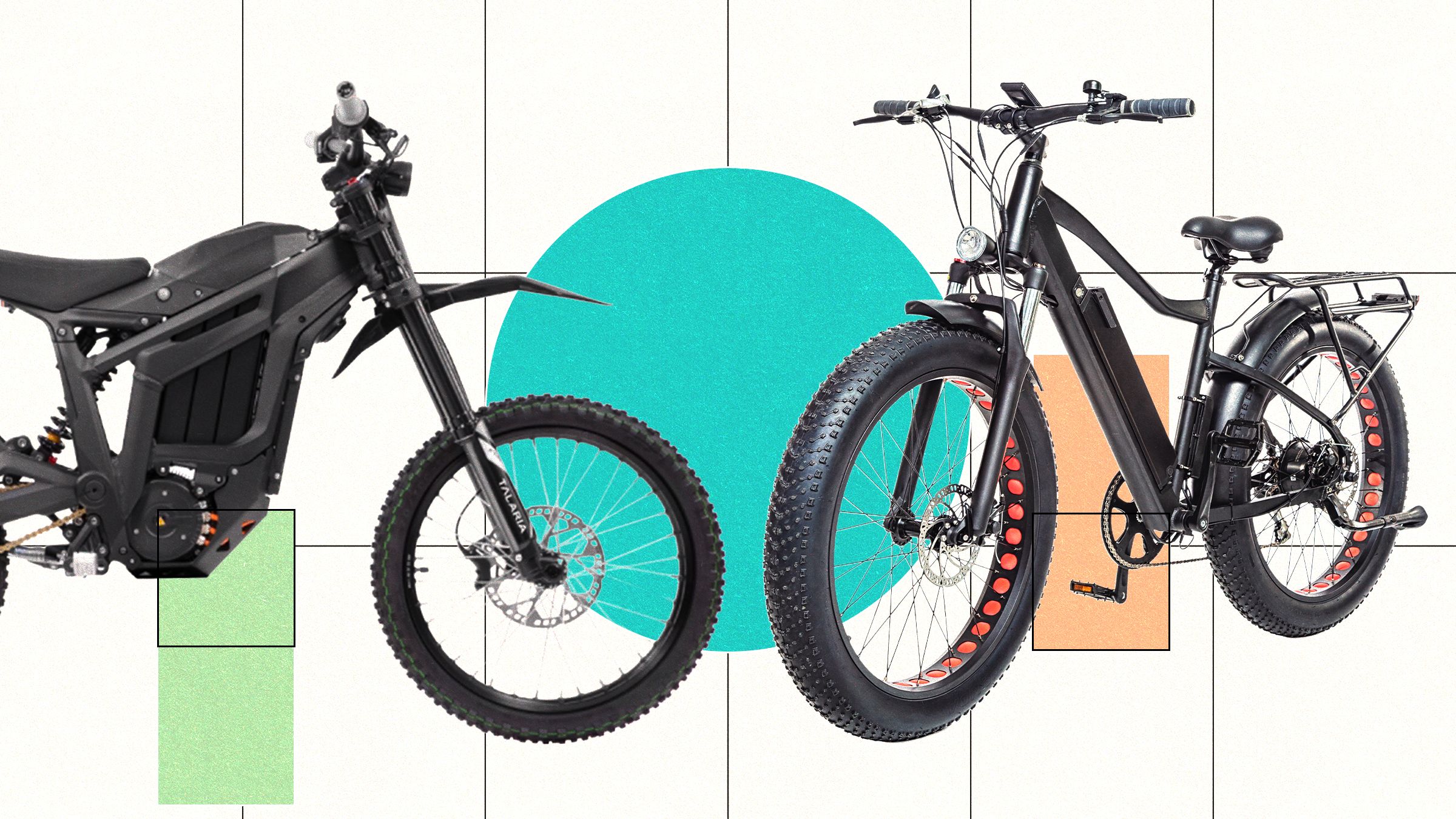
The electric bicycle industry categorizes e-bikes into three classes based on their capabilities. Class 1 ebikes have motors that activate when the rider pedals, and the assist stops at 20 mph. Class 2 ebikes have similar pedal assist functionality, plus throttles, allowing riders to travel up to 20 mph without pedaling. Class 3 ebikes have more powerful pedal assist that stops at 28 mph. Thirty-nine US states use this three-class system in their laws, requiring Class 3 riders to wear helmets and be at least 16 years old.
Outside of these laws, ebikes are mostly regulated like standard bicycles, with most states not requiring a license or registration for riders. However, as of 2026, New Jersey and Alaska are the exceptions, with New Jersey requiring registration and licensing for all ebikes, and insurance for Class 3 ebikes. In Alaska, there are no statewide ebike laws, but some locales, like Anchorage, require licenses for ebikes with sustained output over 750 watts, typically reaching 20-28 mph.
E-motos, on the other hand, are not legally classified as ebikes but as e-motos or mopeds. They have more powerful motors, ranging from 1,000 to 6,000 watts, and can reach speeds up to 60 mph. E-motos don't need pedal-assist; they are throttle-dependent. They often lack clear "daylight" through the body of the device and have substantial battery packs that block visibility.
E-motos have wider tires, substantial coil shocks, and wide, knobby tires. They also typically have fixed foot pegs, similar to motorcycles, and fixed pedals.
It's essential to understand these distinctions, as e-motos are considered motor vehicles and require registration, licensing, and insurance, similar to motorcycles, in most states. PeopleForBikes, a US trade organization, warns that some manufacturers may misclassify e-motos as ebikes to bypass regulations, which can void warranties and risk component failure.
Written by urgent.news from Wired's reporting — not their text. Machine-written — may contain errors; check the original before relying on it.