What the Midterms Meant for Working-Class Candidates
"When working-class candidates run, they tend to do about as well as other candidates—and the 2026 midterms were no exception," write Nicholas Carnes and Noam Lupu.
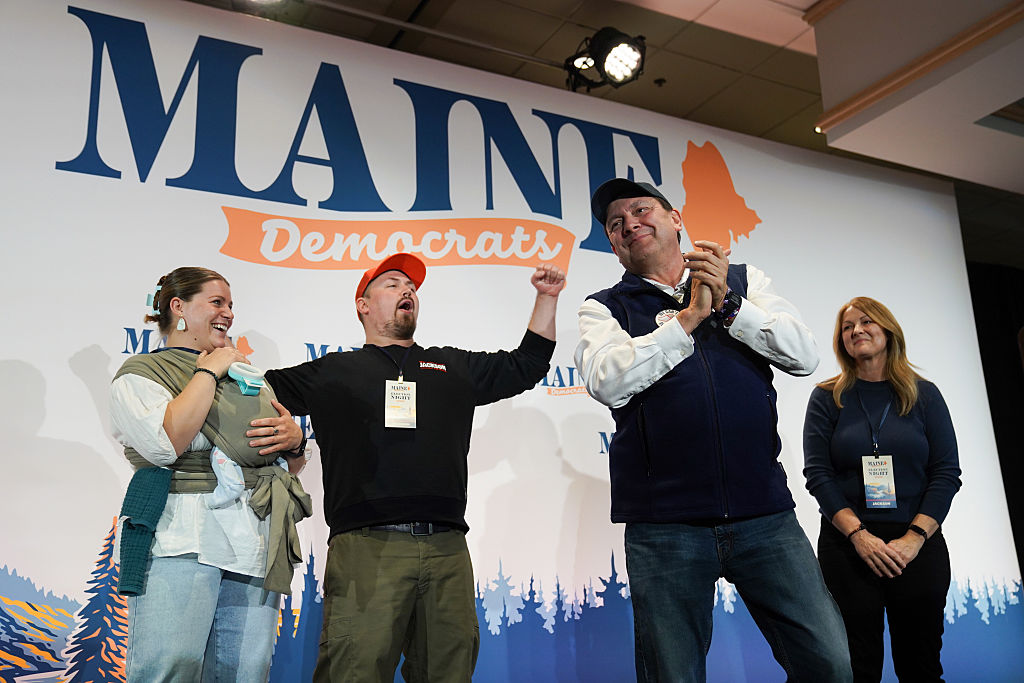
The 2026 midterm elections revealed that only seven major-party candidates for Congress had worked-class jobs when they initially entered politics. Many of these candidates who ran were victorious or have a strong chance of winning. In national elections, the presence of working-class candidates is rare, and the pattern has persisted for generations. Despite making up more than half of the U.S. workforce, politicians from working-class backgrounds have historically been scarce in Congress and state legislatures.
This absence of working-class politicians has consequences, as research from multiple countries shows that when politicians from working-class jobs are few, people generally trust their governments less. Economic policies tend to favor the interests of the well-off when there are fewer politicians from the working class. The reasons behind the underrepresentation of working-class candidates in office are complex and rooted in the demanding nature of political campaigns.
The process of running for office entails significant personal sacrifices, taking time off work, relinquishing control over daily life, and facing substantial risks to reputation and future prospects. Working-class individuals often find it challenging to meet these demands, leading them to stay away from the political stage.
Political leaders and interest groups often prioritize recruiting candidates from privileged backgrounds due to the perceived ease of running for office. As a result, working-class individuals face more obstacles in pursuing elected office, and those who could help them do so often overlook their qualifications in favor of candidates from more advantageous backgrounds.
Written by urgent.news from Time's reporting — not their text. Machine-written — may contain errors; check the original before relying on it.