War weighed on US midterms, but Iran's economy is paying heavier price
Iran's economic crisis is deepening as a US naval blockade, wartime damage and disrupted trade routes affect its industry, while the threat of renewed war with America piles pressure on an already severe downturn. The war has weighed heavily on Tuesday’s US midterm elections, with the Democrats taking control of Congress. The cost for Iran is mounting too, with official figures showing gross…
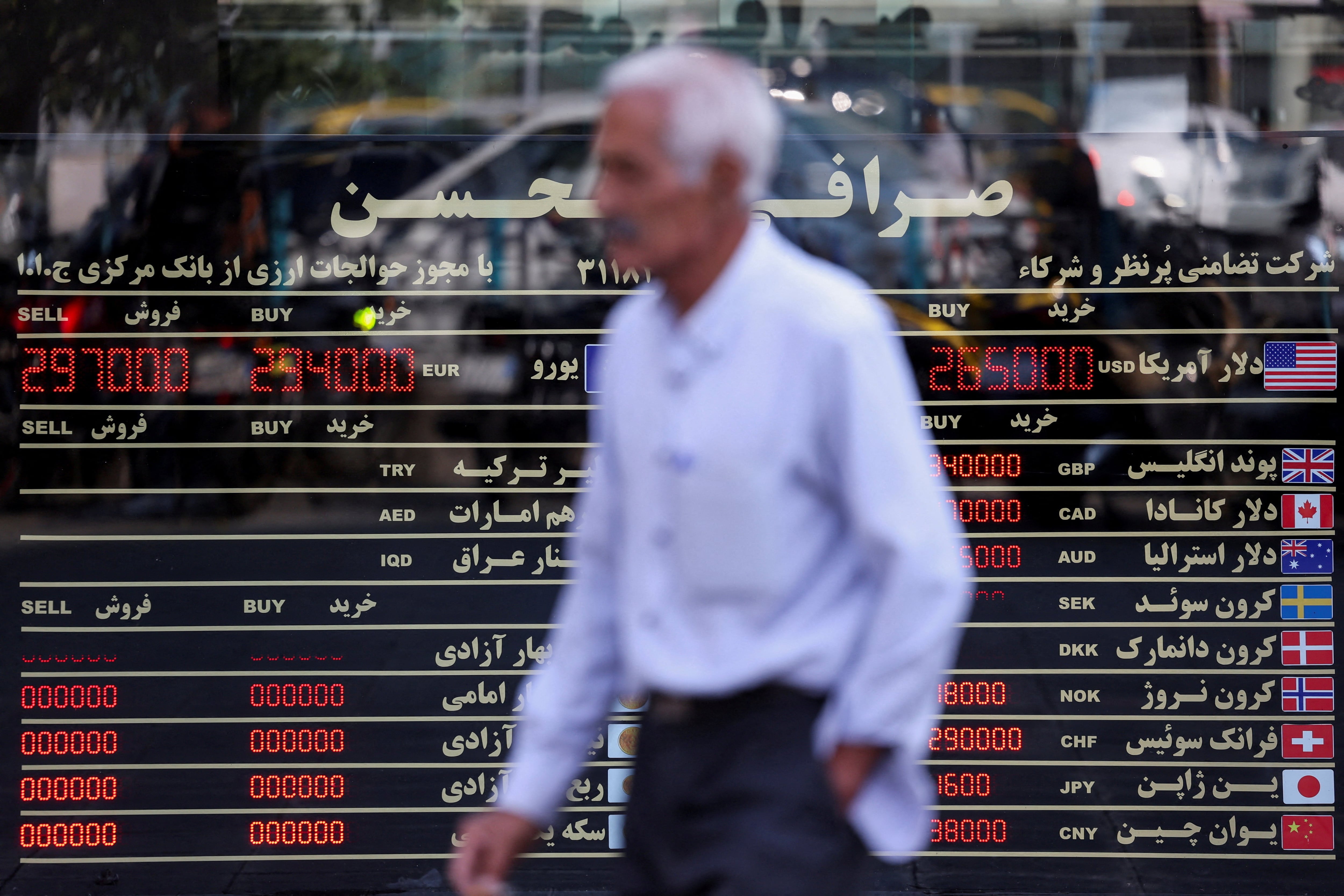
Iran's economic crisis is worsening due to a US naval blockade, wartime damage, and disrupted trade routes, while the threat of renewed war adds pressure. The Democrats' victory in the US midterm elections has further exacerbated the situation. Iran's GDP dropped by more than 10% year-on-year in the latest quarter. The country's Parliament Speaker, Mohammad Bagher Ghalibaf, warned that any attempt by President Trump's administration to ignore public opposition would result in a "nightmare."
Iranian cargo is piling up in Pakistani ports, with 18,000 containers stranded, causing significant delays and costs. Iranian businesses struggle to secure alternative transport through Turkey, leading to extra expenses and delays. The conflict has also disrupted industrial production, with energy shortages posing a long-term threat.
Iran still faces a gas shortfall of around 400 million cubic meters a day, with 11 of its 31 provinces potentially facing supply difficulties during the winter. The cement industry is particularly affected, relying on expensive mazut fuel due to gas supply cuts. Iranian exports to Turkey and Oman have increased, but overall foreign trade remains stagnant.
Domestic discontent is growing, with 30 protests recorded across the country in the final week of October, driven by economic grievances such as unpaid wages and fuel shortages.
Written by urgent.news from The National Business's reporting — not their text. Machine-written — may contain errors; check the original before relying on it.