US midterms weaken Trump, test India-US ties
The US midterms have dealt a significant setback to the Republican Party, leading to the Democratic Party securing majorities in the Senate, House, and State Governor positions. This outcome is particularly notable, as a gain of seven Senate seats in a single election is rare in recent history, along with victories in traditionally Republican areas. These results indicate widespread dissatisfaction with politics, the economy, inflation, and the Iran war among voters.
While reversals for a sitting President in midterm elections are not uncommon, this election is more personal for President Trump. He has closely aligned the Republican Party with his image, amplifying or undermining their political fortunes in the past. Consequently, this election is seen as a rejection of Trump's policies, attitudes, and character.
The immediate impact of these results will be felt domestically. Trump's grip on the Republican Party will weaken, and some members may seek to distance themselves from his absolute control. Some may even consider returning to the party's Reagan-era ideology or its center-right stance. The MAGA faction, however, is pushing for the restoration of its original no-war stance. Trump is expected to seek a successor to continue his legacy, giving rise to a contest for the future of the Republican Party.
Politics are likely to become more acrimonious and stalemated, with Democrats potentially reviving impeachment proceedings against Trump, though they must weigh the risks against the history of past attempts. Budget passage will be more challenging, and government shutdowns more likely. Interest rates could rise, and the mounting debt may become harder to manage.
Democrats will face opposition from Trump on taxation, welfare, and lowering the cost of living, while he may threaten to veto their measures, a move requiring an improbable two-thirds majority in both chambers to override. Courts will grapple with disputes over the division of power.
Nonetheless, the oversight power of the Democrat-led Congress, including hearings, information requests, and intelligence access, and the Senate's ability to deny Presidential nominations, will be crucial political instruments, albeit not necessarily a check on Trump's actions, especially in foreign policy and war. However, bipartisan support exists for grand bargains to maintain government operations and grant Democrats influence over social and economic policies.
Trump has often sought to blur the line between executive and legislative powers. This is especially evident in external affairs. The struggle over power to impose tariffs and sanctions on trade will persist. Congress may attempt to restore some traditional elements of foreign policy, such as aid and international programs, but the ultimate decisions will remain with the administration.
While declaring war is a Congressional prerogative, it has not been utilized since World War II. The President can deploy troops unilaterally for 60 days, as customary. Congressional authorization for war funding exists, but defense remains an enticing issue.
The most pressing issue - the West Asia War - will be influenced by the election results. The impact of the election on Trump's future foreign policy in Iran remains uncertain. The mood of the public and political landscape differs from the government's stance on Iran, leaving open the possibility of a different approach in the coming years.
Diplomacy might have a better chance of success. The Democrat-led Congress is more likely to adopt traditional US positions on Russia, China, and Europe, including Ukraine, but India's influence on Congress, even minimally, may shift the basic goal on Iran. However, Israel's impact on Congress, even if diluted, remains a concern.
The overarching objective in Iran will likely remain unchanged. Diplomacy could be given a better opportunity. The Democrat-led Congress will likely align more closely with traditional US positions on Russia, China, and Europe, including Ukraine. However, a realignment of US industrial and trade policies, started under the Obama administration and continued since, enjoys bipartisan backing.
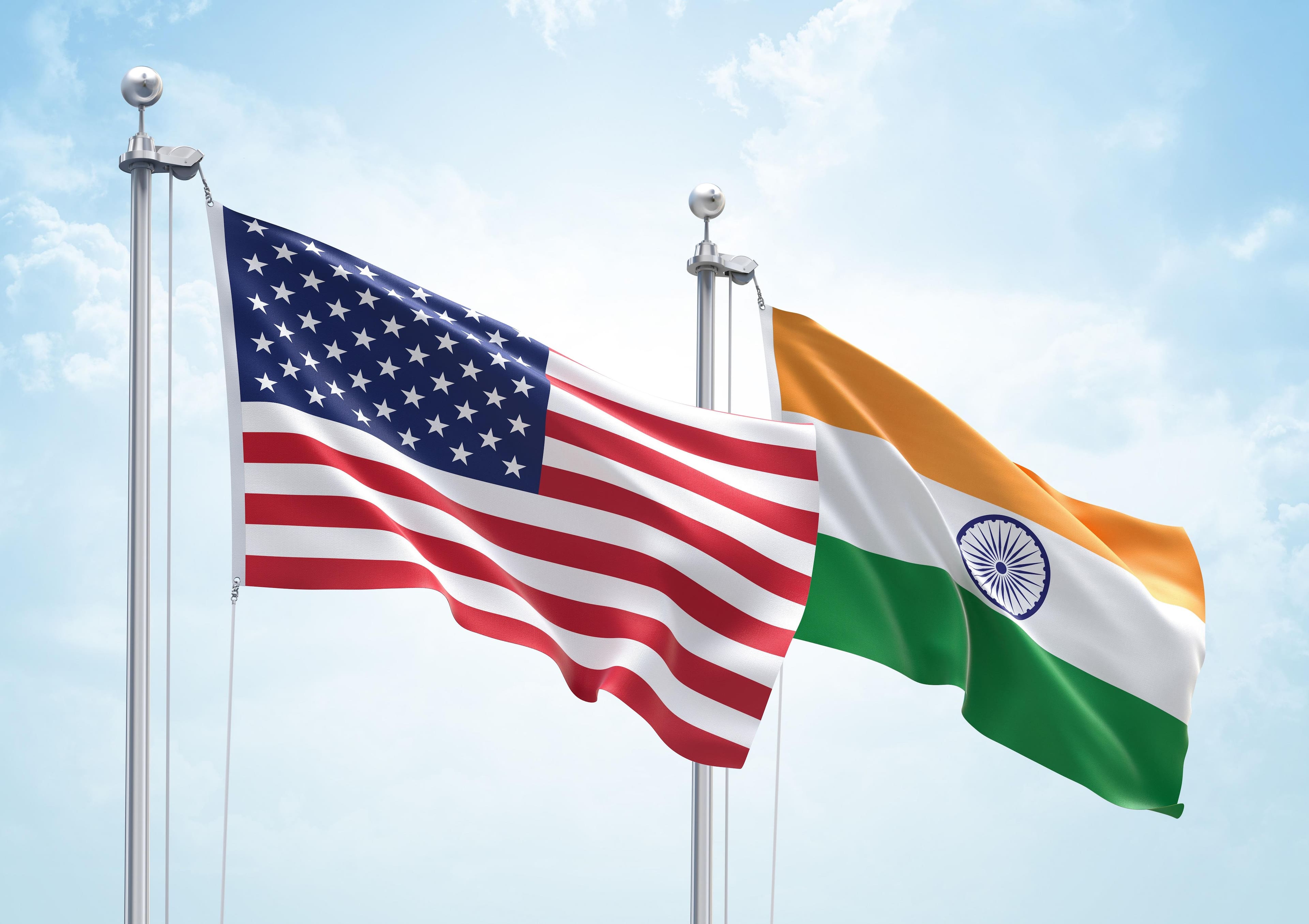
US policy towards India will remain unaffected by the Congressional elections, as the Trump administration remains the primary driver. Despite Trump's positive remarks, India is not a priority for him. Trade issues have been set aside in favor of strategic goals. Nevertheless, an end to the Iran war would be beneficial for India. A return to a hardline stance on Russia and China would have adverse consequences for India.
Written by urgent.news from The Economic Times's reporting — not their text. Machine-written — may contain errors; check the original before relying on it.
Also reported by 1 other outlet
- Trump's ambitions put India's diplomacy to test economictimes.indiatimes.com