US midterms: Impact on Trump's political authority & market implications
For equity markets, the political uncertainty comes at a time when US stocks are trading with considerable momentum, but financial conditions have tightened and energy prices remain elevated.
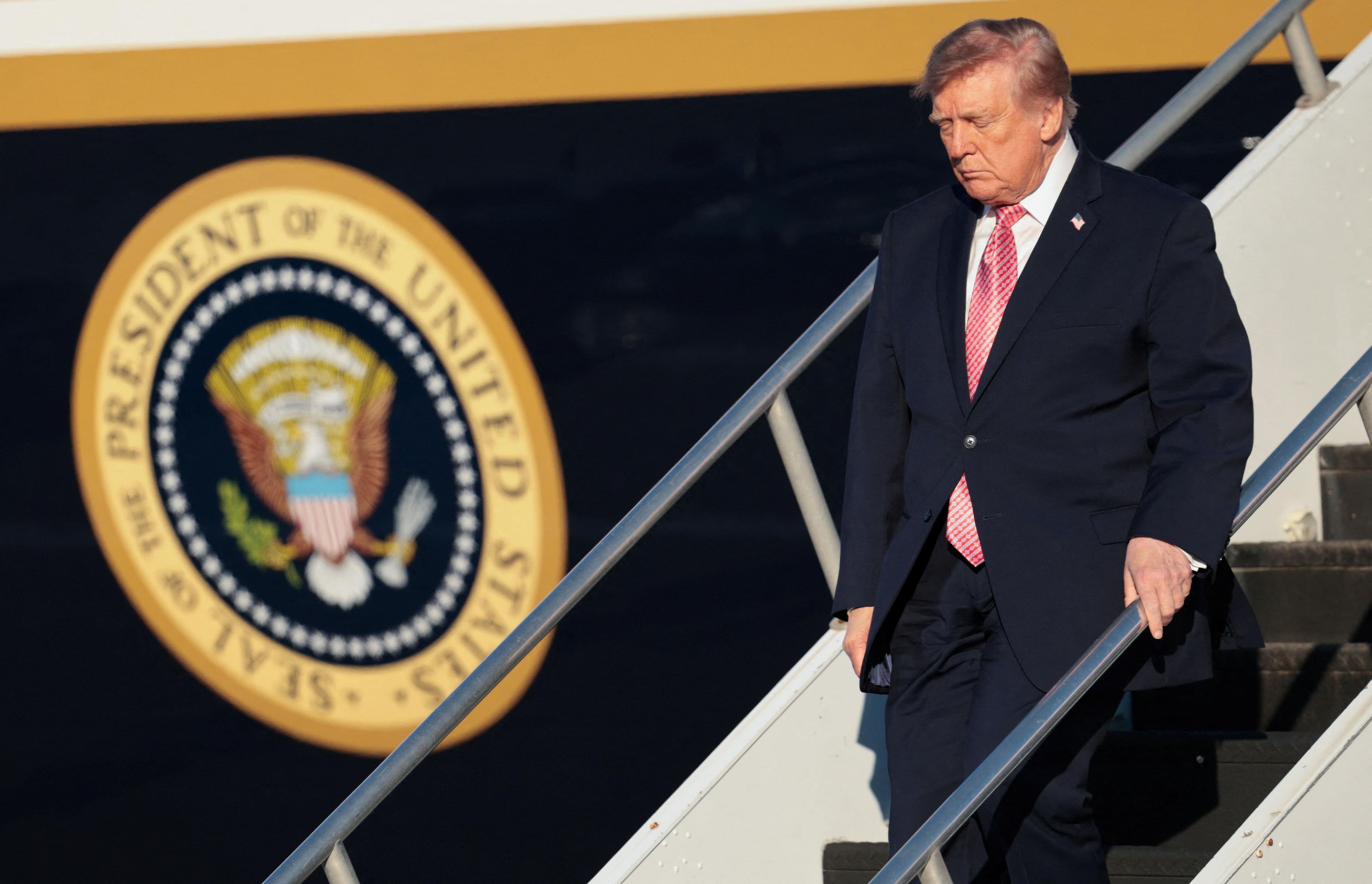
Donald Trump's devastating defeat in the US midterms, with Democrats gaining control of both chambers of Congress, marks a significant shift in American politics. This result is largely seen as a verdict on Trump's presidency and policies, including his trade policies.
High prices, particularly the impact of Trump's tariffs, were a major factor in voters' decision. Two-thirds of those surveyed in the election day poll blamed Trump's tariffs for hurting the economy. Despite conceding the loss, Trump expressed no personal defeat, stating he would use his veto power to block Democratic legislation.
The divided Congress is unlikely to immediately alleviate trade tensions with Europe. Trump's tariffs, now under Section 301 of US trade law, are now unilaterally enforceable by the president without congressional approval. While Democrats could slow Trump's nominees, they cannot easily dismantle his unilateral powers in trade and foreign policy.
In terms of Ukraine support, a Democratic Congress will chair Senate committees and decide on the confirmation of Trump's nominees and the passage of new aid. However, the White House has a history of canceling already approved funds, which could limit Democratic efforts to increase Ukraine's aid. European governments should treat any earmarked funds as intended, rather than committed.
Markets reacted to the election results with a mostly calm response. The euro gained slightly against the dollar, gold and silver prices rose, while stock futures were slightly lower. US government bond yields also fell, indicating a neutral to mildly positive sentiment for the fiscal outlook.
For investors, a divided Washington has historically been favorable. Fewer laws are passed, reducing unexpected policy shifts. However, the current situation might present a different challenge, especially concerning the debt ceiling. A long-term fight over this issue could potentially increase borrowing costs.
The impact on the euro is expected to be minimal in the long run. The Federal Reserve's monetary policy will continue to be the primary driver for the dollar. Eurozone inflation is projected to remain high, and investors require a risk premium for holding government bonds. As the new Congress takes office in January, the immediate impact of the election on the euro is expected to be limited.
Written by urgent.news from Euronews's reporting — not their text. Machine-written — may contain errors; check the original before relying on it.
This story
This is one outlet's version. Read the fullest account.