US midterm blue tsunami jolts Asian markets as tighter AI, fiscal scrutiny looms
A comprehensive victory for the Democrats in the US midterms has jolted asset classes from stocks to bonds and commodities in Asia, as investors expect the US Congress to tighten scrutiny over the AI industry and government spending. Stocks in the region closed mixed on Wednesday, with investors bracing for heightened US regulatory oversight over the AI buildout. US Treasury yields fell on…
The outcome of the US midterm elections has caused significant fluctuations in Asian markets, with investors anticipating increased oversight of the artificial intelligence (AI) industry and fiscal scrutiny from a Democratic-controlled Congress. Stocks in the region experienced mixed results on Wednesday, as traders braced for stricter US regulatory measures over AI development.
Treasury yields declined due to optimism that a Democratic-led Congress might limit debt issuance by the Trump administration, while gold prices surged.
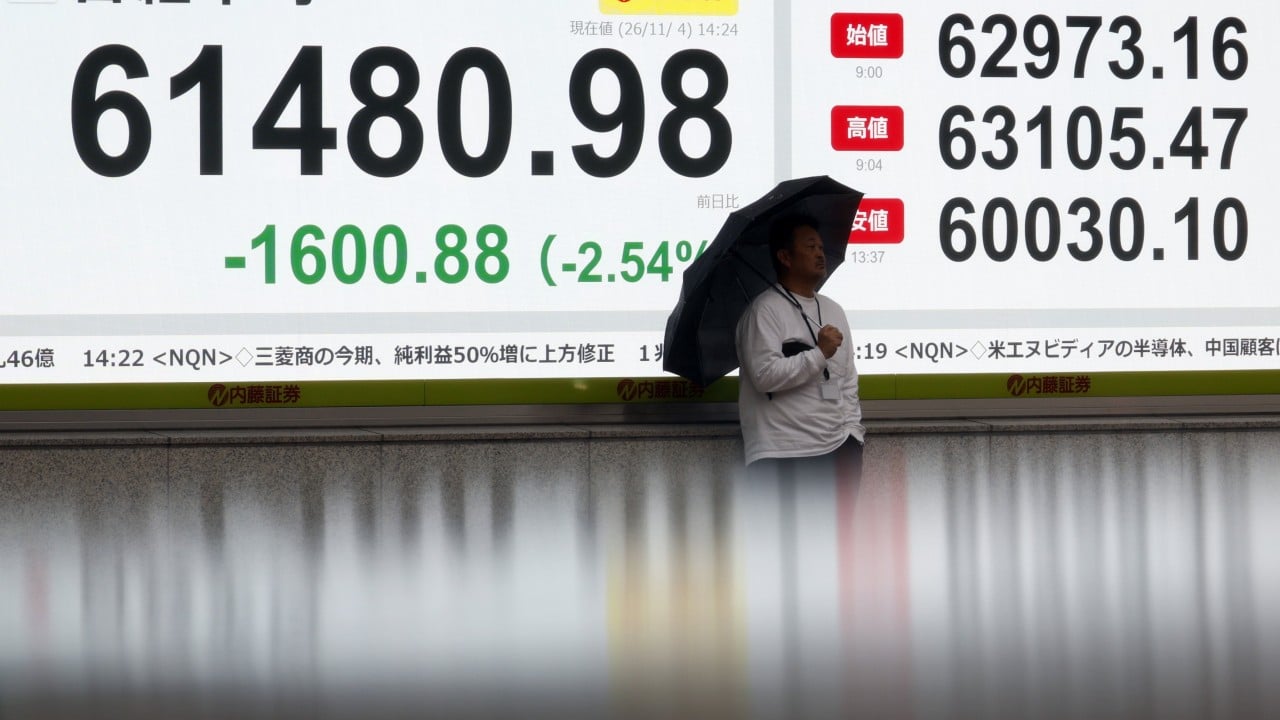
Asian stock indices responded to the political developments accordingly: Hong Kong's Hang Seng Index rose by 1.7%, South Korea's Kospi increased by 0.6%, whereas Japan's Nikkei 225 gauge dropped by 1.4%. Analysts believe that the US election could have adverse effects on regional stocks, as Asian hardware manufacturers rely heavily on global AI supply chains.
Gary Dugan, CEO of The Global CIO Office, suggests that congressional oversight may introduce a political risk premium to AI investments, which are already being scrutinized from a financial perspective. As a result, AI companies could face more investigations regarding competition, consumer protection, data privacy, and model safety.
Charu Chanana, chief investment strategist at Saxo, points out that a more stringent regulatory environment could compel investors to demand better funding and profitability from AI infrastructure. While this might pressure struggling AI stocks, it could also drive investors toward companies capable of generating revenue from substantial data-center construction expenditures. Chanana asserts that a more regulated environment may make investors more demanding about the funding and profitability of AI infrastructure.
The US 10-year Treasury yields dipped to 4.93%, and the US dollar index fell by 0.5% on expectations that heightened AI scrutiny would slow economic growth. Gold prices rebounded to $4,000 per ounce as lower bond yields made the non-yielding metal more attractive. However, this does not guarantee a sustained rally in bonds, as a disciplined fiscal approach does not necessarily lead to lower inflation, and the US Federal Reserve might continue to raise borrowing costs if price pressures persist, according to Chanana.
Despite the midterm results not fundamentally altering the Asia-Pacific investment landscape, US money manager Invesco advises investors to focus on fundamental factors when forecasting the future direction of Asian assets. Strategist David Chao emphasizes that key variables impacting regional investors include US interest rates, the US dollar, China's growth outlook, trade and technology policies, and corporate earnings. With the votes cast, investors must return to analyzing the fundamentals.
Written by urgent.news from SCMP Business's reporting — not their text. Machine-written — may contain errors; check the original before relying on it.
This story
This is one outlet's version. Read the fullest account.