Una crisis ferroviaria y aplacar a un sector constructor de uñas, los desafíos de Cuerpo tras la ‘era Puente’
El vicepresidente asume el mando en Transportes con la urgencia de aplicar las reformas de seguridad en la alta velocidad y decidir sobre la cúpula de Adif, pero también con contratos de obra pública en desequilibrio por la crisis de Ormuz
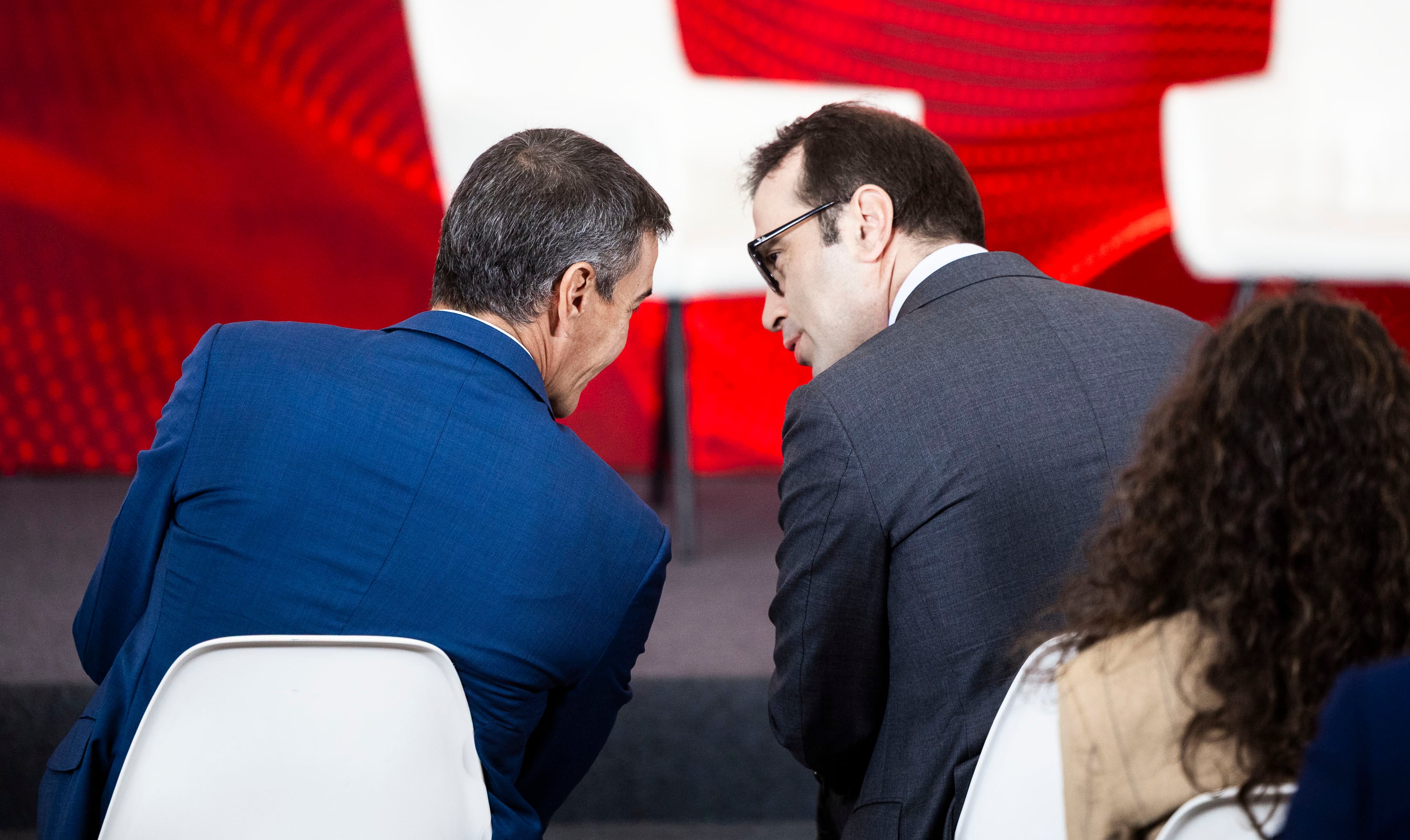
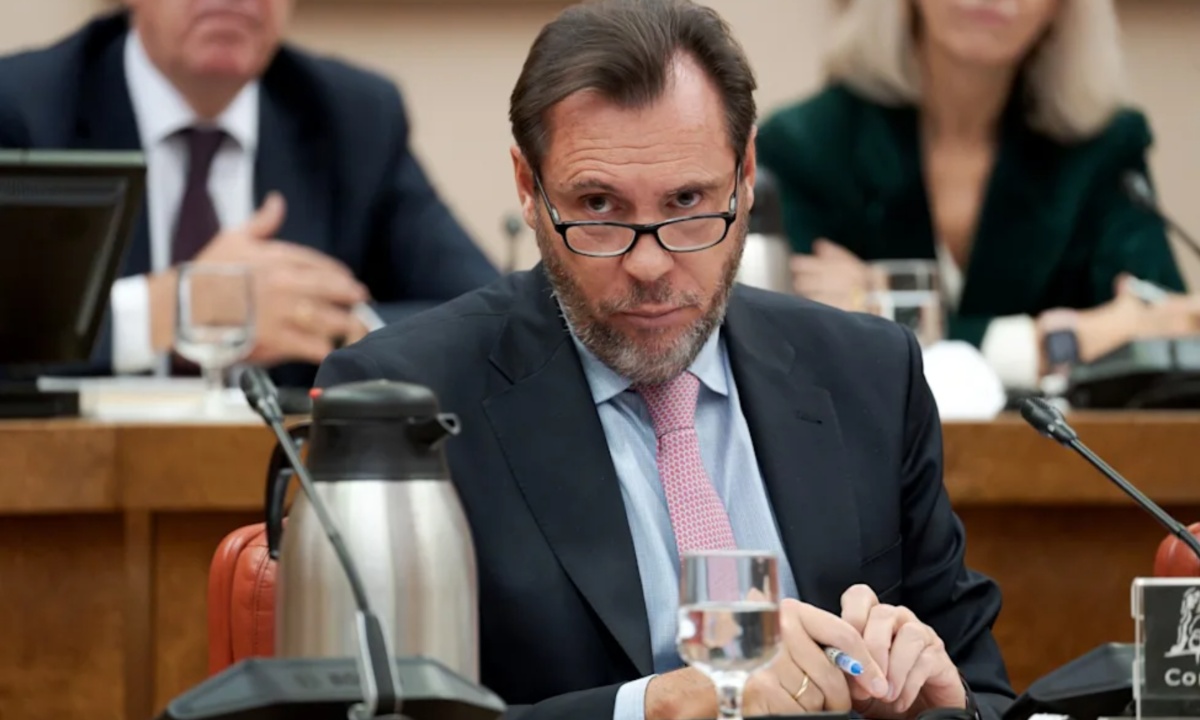
The railway sector is engulfed in turmoil following the Urda disaster (Toledo), marking the second fatality in a span of 10 months on the Madrid-Seville high-speed line. Vice President Carlos Cuerpo assumes leadership of the responsibilities previously held by Óscar Puente, who resigned as Minister of Transport yesterday, as announced by Prime Minister Pedro Sánchez in a brief appearance.
The incumbent must act swiftly to quell the flames. Urgent attention is required to calm the moods of railway unions. The Maquinistas union, Semaf, has called for a strike on November 10 and 12, the days before and after a general strike. The powerful group demands the fulfillment of agreements to strengthen maintenance of Adif networks and public railway company workforces, signed in February.
This follows the tragedies in Adamuz (Córdoba) and Gelida (Barcelona), with Semaf criticizing the lack of tangible results despite promises, according to their General Secretary Diego Martín.
Written by urgent.news from El Pais's reporting — not their text. Machine-written — may contain errors; check the original before relying on it.