UAE motorists face nine-hour driving limit from January
UAE motorists must not drive for more than nine hours within a 24-hour period under traffic regulations due to take effect on January 1 next year. They are also prohibited from driving if they are tired or exhausted enough for it to affect their ability to drive safely. The restrictions are among requirements introduced under cabinet decision no 174 of 2026. They allow the Federal Traffic Council…
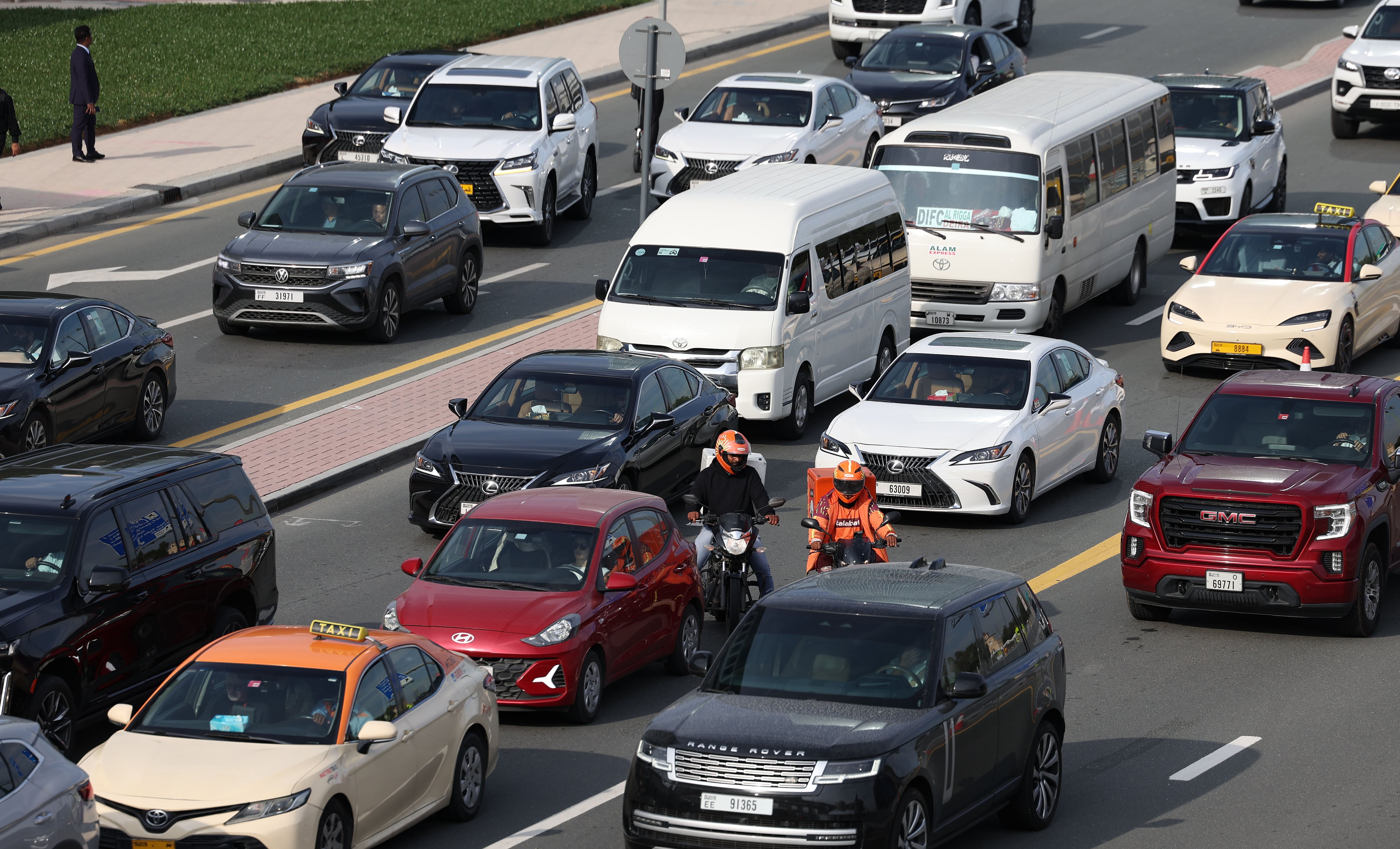
Starting from January 1 next year, motorists in the UAE will be restricted to no more than nine hours of driving per 24-hour period due to a new traffic regulation. This rule, set out in Cabinet Decision No 174 of 2026, also bars driving if a driver is too tired or impaired to operate a vehicle safely. According to traffic safety expert Mustafa Aldah, this is a significant step toward better regulating the transportation sector.
Aldah noted that decreased reliance on road freight as rail services launch could reduce fatal crashes involving lorries and buses. However, he hopes the new rules will differentiate between driving for work and personal reasons, emphasizing the need for responsibility from drivers, vehicle owners, and company directors. Countries like the UK and Australia have strict time limits and rest periods for heavy vehicle drivers, who are monitored by tachographs.
These devices can be inspected by police at any time, and tampering with them can lead to serious consequences. The UAE's regulations also prohibit driving under the influence of drugs, alcohol, or other intoxicants. Motorists must adjust their speed based on road and weather conditions and adhere to posted speed limits, with exceptions for emergency vehicles and those transporting injured or critically ill individuals.
The law requires drivers to use warning lights and signals when necessary and consider traffic, visibility, and vehicle condition when monitoring speed. The new regulation introduces different driving license validity periods based on age and nationality. UAE and GCC nationals will have their licenses valid for 10 years once they reach 21 or renew them at that age, while expatriate residents' licenses will be valid for five years.
The law also sets stricter eyesight standards for various driver categories, including those operating light and heavy buses and machinery. Licensing authorities may accept eyesight examination reports from outside the UAE to allow drivers with expired licenses to renew them.
Written by urgent.news from The National Business's reporting — not their text. Machine-written — may contain errors; check the original before relying on it.
This story
This is one outlet's version. Read the fullest account.
- UAE motorists face nine-hour driving limit from January thenationalnews.com