Trump Has Shifted the U.S.-Pakistan Relationship
But close bilateral ties might not survive his lame-duck period and a Democratic Congress.
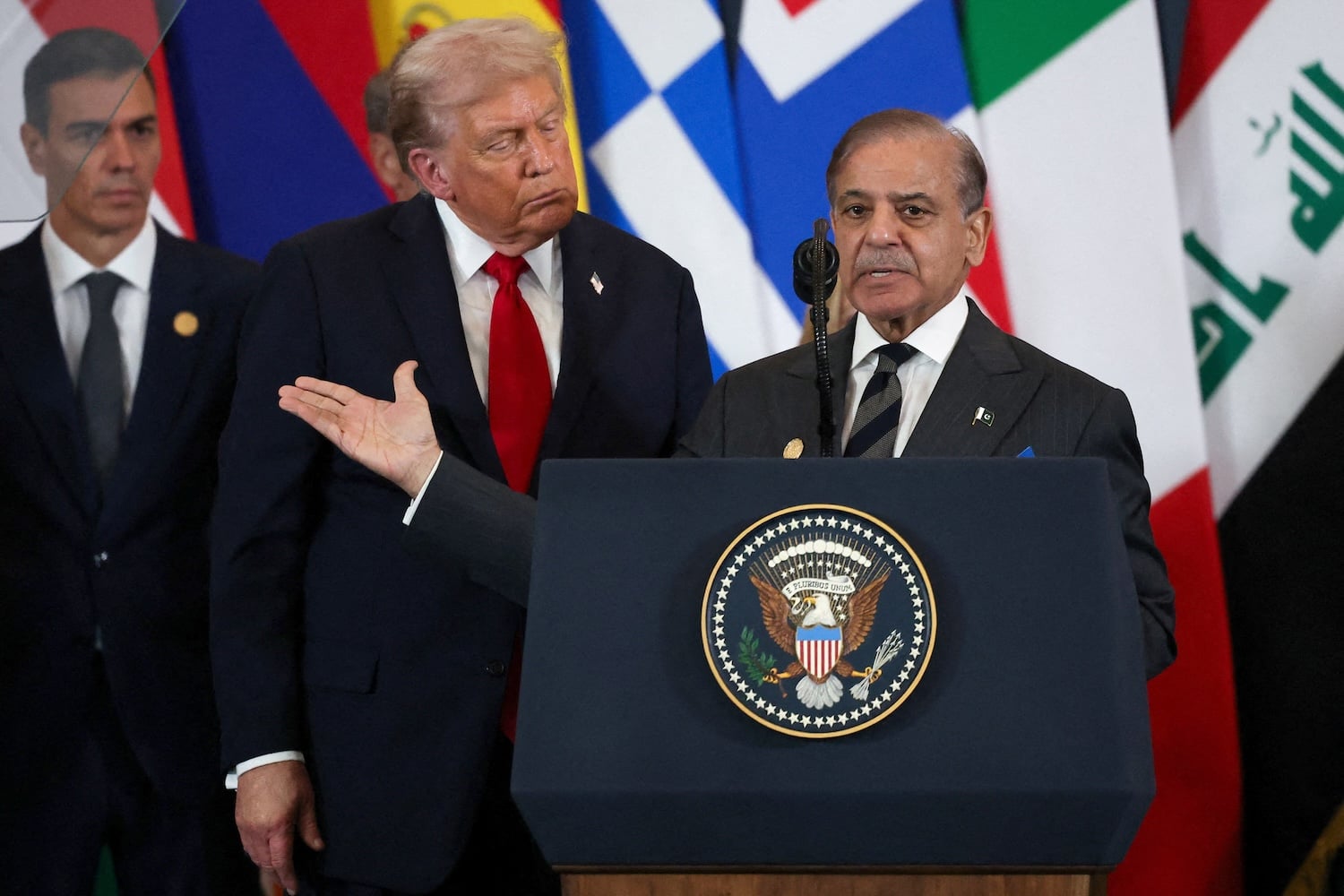
This week's Foreign Policy South Asia Brief highlights include a proposed liquefied natural gas (LNG) project in Pakistan, garment workers in Bangladesh protesting for higher wages, and India's opposition alliance rallying for the resignation of the chief election commissioner. Since returning to the White House last year, U.S. President Donald Trump has positioned Pakistan as a key ally, with the administration prioritizing economic and commercial interests over traditional security concerns.
A $4.4 billion LNG project in Port Qasim, near Karachi, has been proposed by a consortium of U.S. companies and backed by major U.S. agencies like the Trade and Development Agency, International Development Finance Corp., and the Export-Import Bank of the United States. This project underscores the changing nature of the U.S.-Pakistan relationship under Trump's administration, which has emphasized commercial partnerships and removed trade barriers.
However, the sustainability of this shift may be questionable, given Trump's unpredictable behavior and the upcoming midterm elections that will hand Congress to the Democrats. Concerns about the relationship's longevity are heightened by these political developments.
Written by urgent.news from Foreign Policy's reporting — not their text. Machine-written — may contain errors; check the original before relying on it.