Trump hand-picked Senate candidates and Republicans paid the price
WASHINGTON: President Donald Trump asked voters to pretend he was on the ballot in the midterm elections and handpicked Republican candidates in some of the country’s most consequential Senate races.
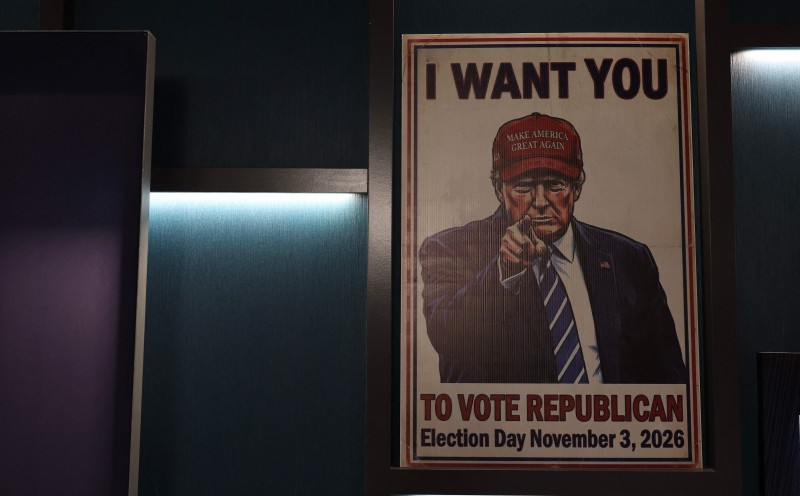
President Donald Trump urged voters to overlook his absence from the ballot in the midterm elections and instead support his handpicked Republican candidates in key Senate races. However, the electorate rejected these choices, resulting in Democrats gaining control of the chamber and exposing the constraints of Trump's political influence.
In South Carolina, a state Trump won by 18 percentage points in 2024, Trump backed Darline Graham, the sister of former Republican Senator Lindsey Graham. Yet, Democrat Annie Andrews secured a shocking victory. North Carolina also witnessed a significant loss for Trump when former national Republican campaign official Michael Whatley lost to former Democratic Governor Roy Cooper.
In Texas, Trump intervened in a contentious primary election to support scandal-tainted Attorney General Ken Paxton over Senator John Cornyn, a Trump ally who faced defeat at the hands of Democrat James Talarico. Michigan, another state Trump targeted, saw Former US Representative Mike Rogers, a Trump favorite, fall short against Democrat Abdul El-Sayed, who will be the first Muslim in the Senate.
These losses came as Trump's popularity had diminished leading up to the vote compared to the aftermath of the January 6, 2021, Capitol assault, according to Reuters/Ipsos polls. This fueled concerns among Republicans that the president had become a hindrance to the party he reshaped around himself. Republican strategist Doug Heye described it as a "Trump Quake," attributing voter frustration to high prices caused by tariffs and the Iran war.
Trump maintained a defiant stance, claiming he would have won "IN A LANDSLIDE!" amidst the election results.
White House officials argued that Trump had done a better job promoting candidates than the candidates did themselves, citing polling data as early as six weeks ago predicting Republican losses in both the House and Senate. However, political analysts believe Trump's interventions specifically contributed to the Senate losses. Thomas Kahn, a professor at American University, stated that Trump's primary endorsement in Texas cost Republicans a safe seat, while North Carolina's result was another clear case of Trump's influence.
The Republican incumbent senator, Thom Tillis, opted not to seek re-election after a public disagreement with Trump, potentially opening the door for Democrats. Former North Carolina Governor Pat McCrory criticized Trump's interference in primaries, claiming they divided the party and weakened Trump's connection with voters.
Written by urgent.news from New Straits Times's reporting — not their text. Machine-written — may contain errors; check the original before relying on it.
This story
This is one outlet's version. Read the fullest account.
- US midterms: Democrats win Congress in major setback for Trump dawn.com
- US Congress turns blue, Trump keeps the veto—and Ukraine’s balance sheet in Washington gets both wins and losses euromaidanpress.com
- Democrats win House and Senate: Why Donald Trump failed the midterm test indianexpress.com
- Democrats retake control of the US Congress in a heavy blow to Trump en.mercopress.com
- Salasya warns Ruto after Trump’s candidates suffer shocking defeat in US midterm elections peopledaily.digital
- Five takeaways on a midterm rout for Democrats thehill.com
- What Trump losing power over Congress means for Iran, Ukraine and foreign policy cnbc.com
- Trump officials who could be under fire as Democrats sweep Congress hindustantimes.com