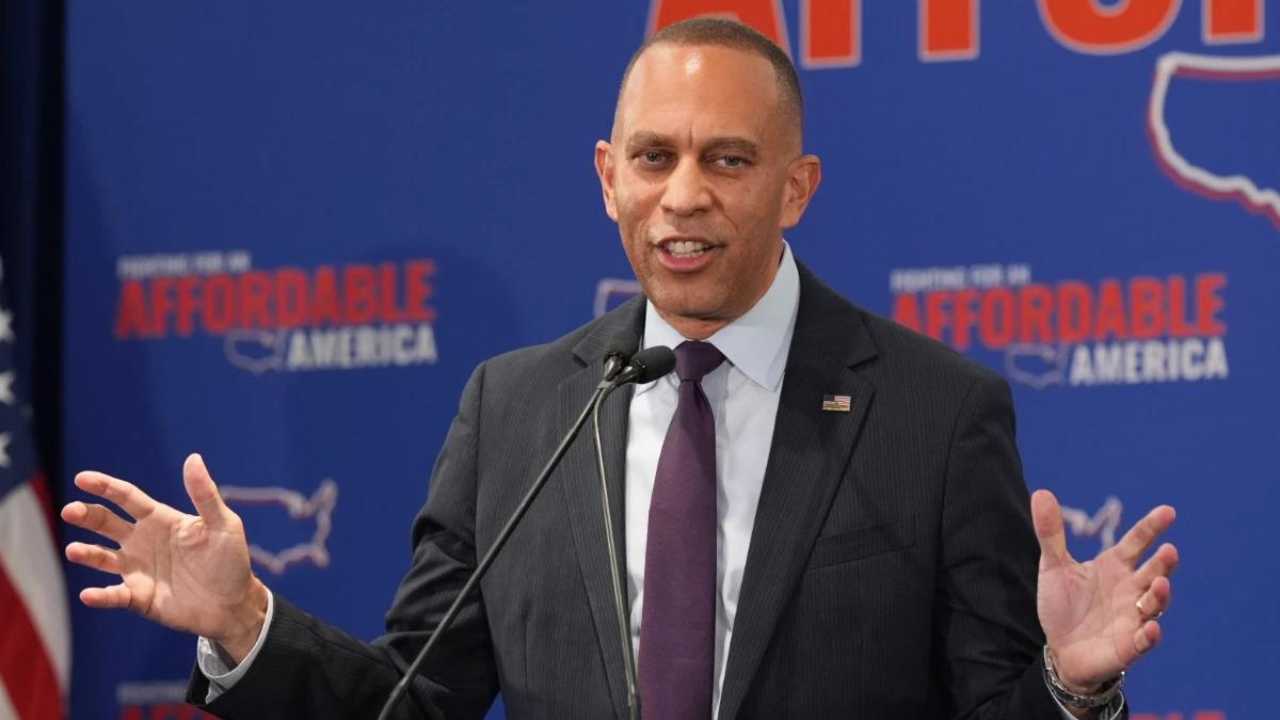
Trump boasts White House ballroom after Republican wipeout in midterms
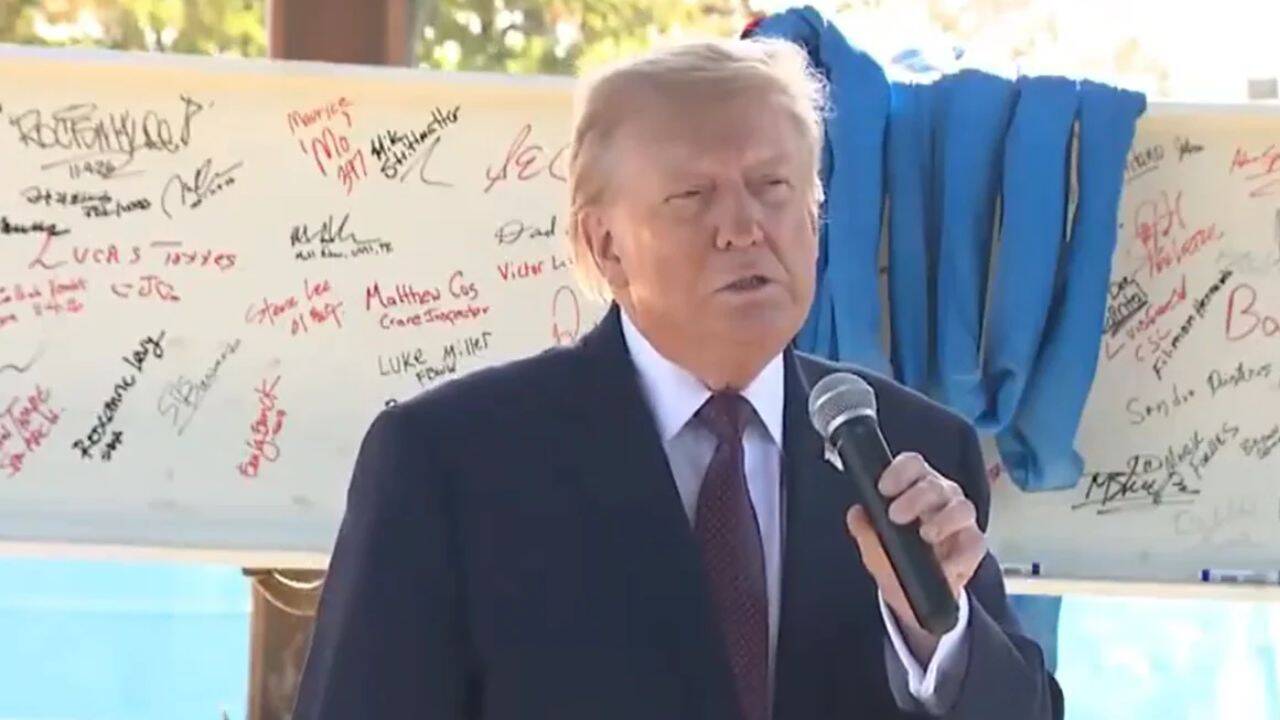
In the aftermath of the Democrats' sweeping victory in the US midterm elections, President Donald Trump finds himself at a political crossroads. With the Republican Party dealing a significant blow at the polls, Democrats are set to assume sizeable majorities in both chambers of Congress, positioning themselves to challenge Trump's policies and investigate his administration.
However, their electoral gains do not grant them unfettered legislative power. The president retains one of the most potent constitutional tools at his disposal: the veto.
The veto, a constitutional safeguard enshrined in Article I, Section 7 of the US Constitution, grants the president the authority to reject legislation passed by Congress. For a bill to become law, it must secure approval from both the House of Representatives and the Senate. Upon receiving a bill, the president has ten days, excluding Sundays, to sign it into law, return it with objections, or allow it to become law without objection.
If the president exercises a regular veto, the bill is returned to the originating chamber, accompanied by his objections. Congress can attempt to override the veto; however, this requires a two-thirds majority in both chambers, a considerably higher threshold than the simple majority typically needed to pass legislation.
Trump's use of the veto could become a central point of contention between the White House and Capitol Hill. Post-victory, Trump has already signaled his intention to wield this power, boasting about the strength of his veto rights on social media. While Trump assures that he does not intend to block every piece of legislation, the threat of vetoes remains a formidable obstacle for Democrats seeking to enact their legislative agenda.
To complicate matters further, Trump possesses an additional tool in his legislative arsenal: the pocket veto. If the president fails to sign a bill within the ten-day window and Congress adjourns during that period, the legislation automatically fails. Unlike a regular veto, a pocket veto cannot be overridden by Congress, and lawmakers would need to reintroduce the bill to attempt passage again. This provides the White House with another means to obstruct legislation, particularly when Congress is nearing adjournment.
Beyond the veto, Trump can also influence legislation through veto threats and Statements of Administration Policy (SAPs), which outline the administration's support or opposition to proposed bills. Meanwhile, Democrats can still challenge Trump's policies, even without successfully passing legislation, by conducting investigations, summoning administration officials, issuing subpoenas, and scrutinizing government spending and policies.
Written by urgent.news from Times of India's reporting — not their text. Machine-written — may contain errors; check the original before relying on it.
This story
This is one outlet's version. Read the fullest account.
- US midterms: Trump's veto powers & how he can use them to block Democrats' agenda timesofindia.indiatimes.com