This obscure Proxmox feature is built for data centers, but it's just as useful for hardcore home labs
Proxmox 9.2's main feature flew under most folks' radar, but it's a godsend for over-engineered setups
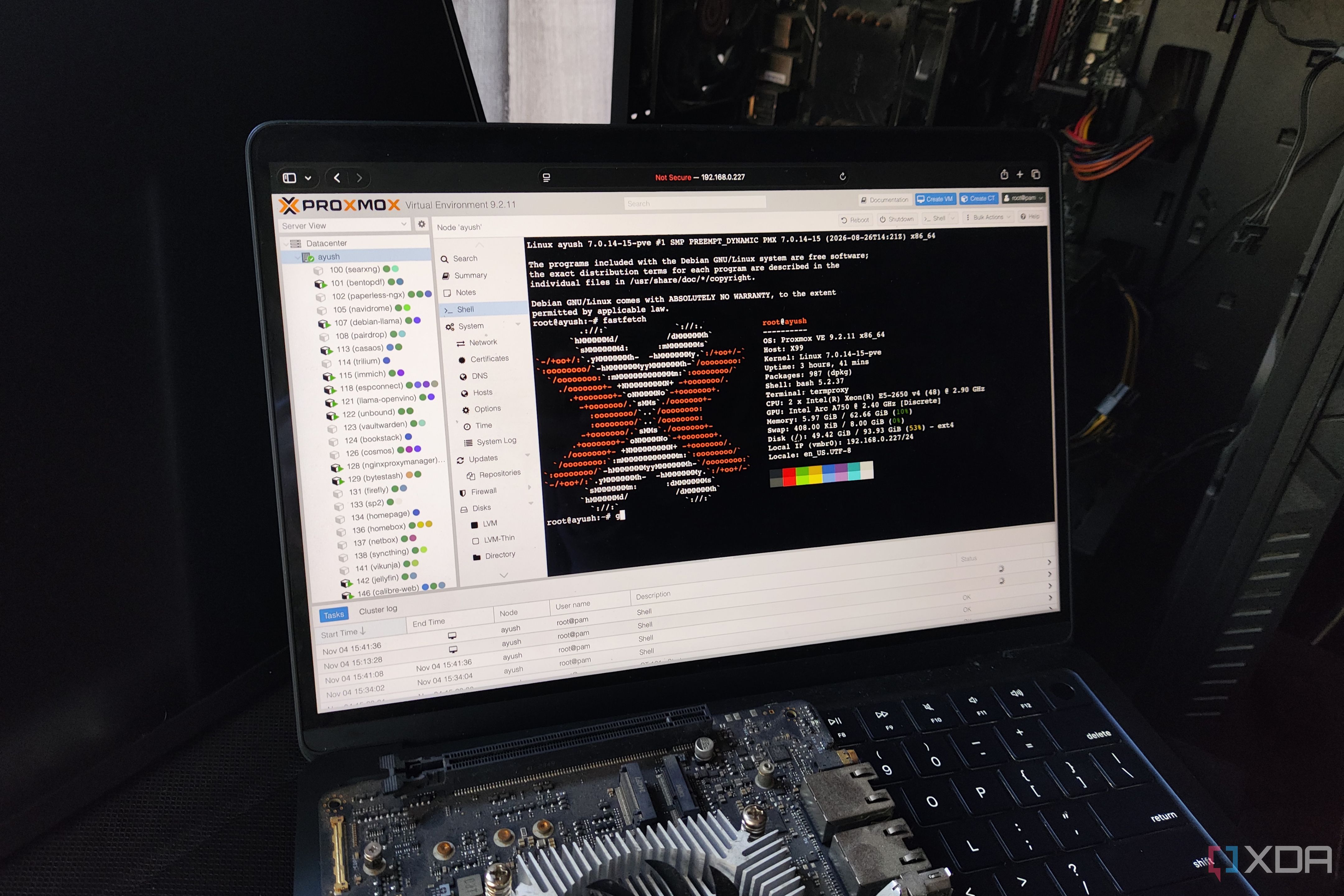
The Proxmox virtualization platform has introduced a dynamic load balancer in version 9.2 that significantly enhances its utility for home labs and small data centers. This feature automatically rebalances virtual machines and Linux Containers across high-availability nodes, ensuring optimal resource utilization. Previously, when a primary node came back online, it would remain idle while secondary nodes struggled to manage virtual guests, due to the lack of a mechanism to restore the original node's resources.
The dynamic load balancer resolves this issue by continuously monitoring resource utilization statistics of virtual guests and nodes, and migrating resources as needed. It offers two balancing modes: brute force, which equally distributes CPU and memory usage, and TOPSIS, which prioritizes memory over CPU usage to cater to RAM-constrained systems.
This feature is particularly beneficial for budget-friendly setups, as Proxmox allows users to create high-availability clusters without incurring additional costs, unlike other virtualization platforms such as ESXi. The dynamic load balancer's ease of use, coupled with Proxmox's lightweight nature, makes setting up a Proxmox home lab more accessible than ever before.
Written by urgent.news from XDA Developers's reporting — not their text. Machine-written — may contain errors; check the original before relying on it.