The Socializing That’s Replacing Friend Time
More Americans are hanging out with family—by choice, but also by necessity.
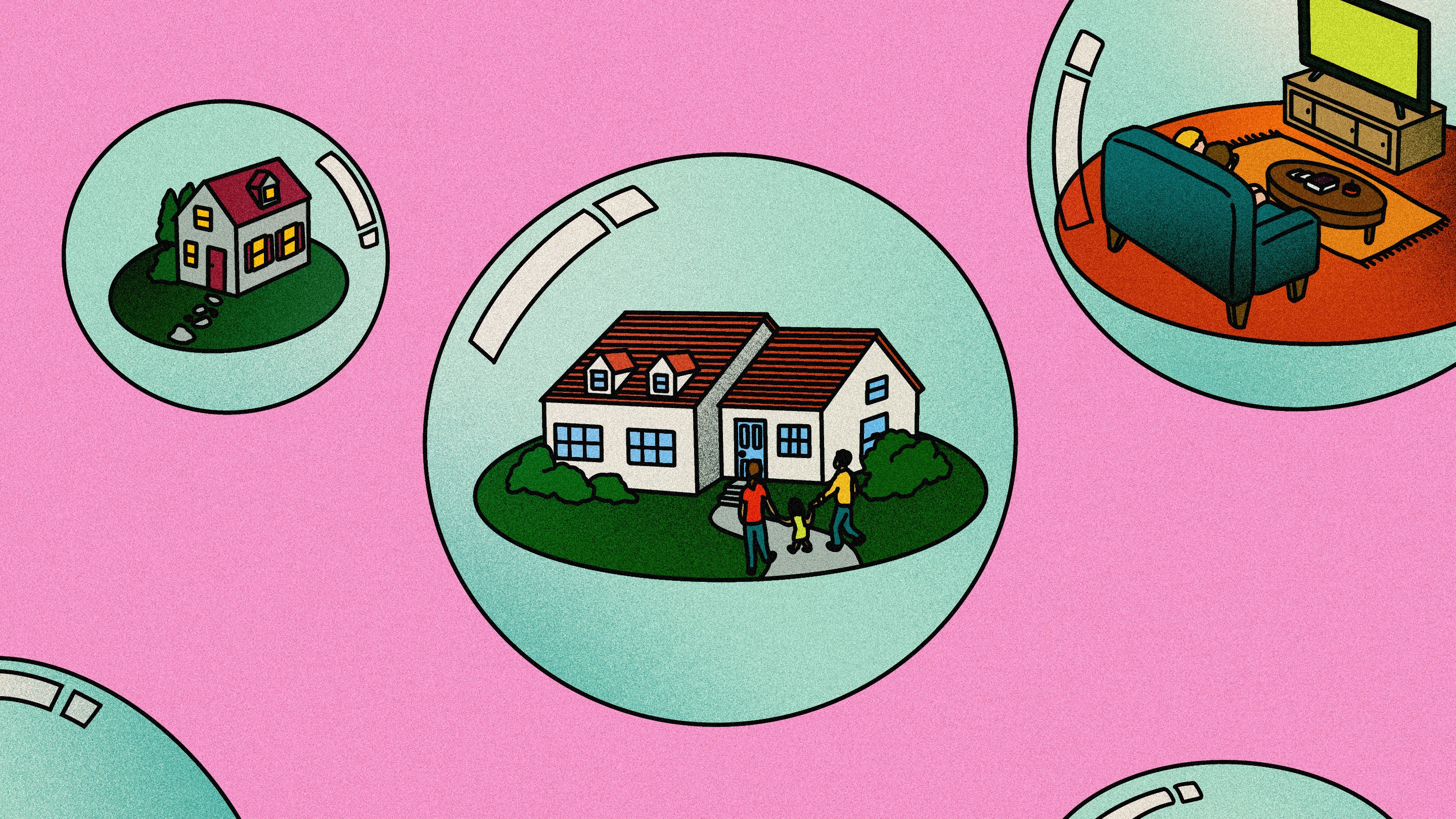
When asked about their preferred evening activity, many survey participants described a more intimate scene: spending time at home with family or a romantic partner. In fact, 43 percent of respondents mentioned quality time with loved ones as the most common choice, alongside watching TV shows. Professor Jeffrey A. Hall, a University of Kansas communication expert, found these findings encouraging.
He noted that while Americans are increasingly staying indoors, this doesn't necessarily mean they are alone. The survey described scenarios of relaxation, shared meals, and movie nights, which many found appealing. While the survey didn't track actual time spent, some research suggests that despite longer alone time, family time may also be on the rise.
Over the past few decades, parents have spent more time with young children, and romantic partners have become more deeply connected. Additionally, older adults are increasingly involved in their grandchildren's lives. A 2023 Pew poll revealed that nine out of ten Americans consider spending time with family either very important or the most important priority, surpassing other categories like religious faith, physical activity, or community involvement.
Although family-centric socializing is on the rise, Hall pointed out that Americans are also experiencing a loss of another type of connection—pure friendship. In the past, family was the center of social life, with relatives often working together and raising children. However, industrialization led to more separation between socializing and labor, allowing people to choose their companions freely.
Today, the average family is smaller, with less common ground among siblings or cousins. Time together is often quieter and more leisurely, such as streaming movies or ordering food. The shift towards home-based socializing may also be influenced by financial constraints and practical challenges. Housing costs have been rising, and those who rent may find it difficult to afford outings at restaurants or bars.
Additionally, many low-wage workers have unpredictable schedules, making it hard to plan gatherings. Public spaces, like parks and transit systems, may receive less investment when underused, leading to decreased accessibility and appeal. For some parents, spending time with family, particularly caring for aging relatives and young children, might also take precedence over socializing with friends.
While most parents describe family time positively for their well-being, scheduling outings with friends can be challenging when factors like costly babysitters or childcare limitations are at play. Ultimately, while family-oriented socializing is on the rise, the desire for genuine friendships remains strong, and the gap between the two may continue to be a concern for many Americans.
Written by urgent.news from The Atlantic's reporting — not their text. Machine-written — may contain errors; check the original before relying on it.