The Polls Found a New Way to Be Wrong
After a decade of underrating Donald Trump’s support, pollsters finally underestimated Democrats.
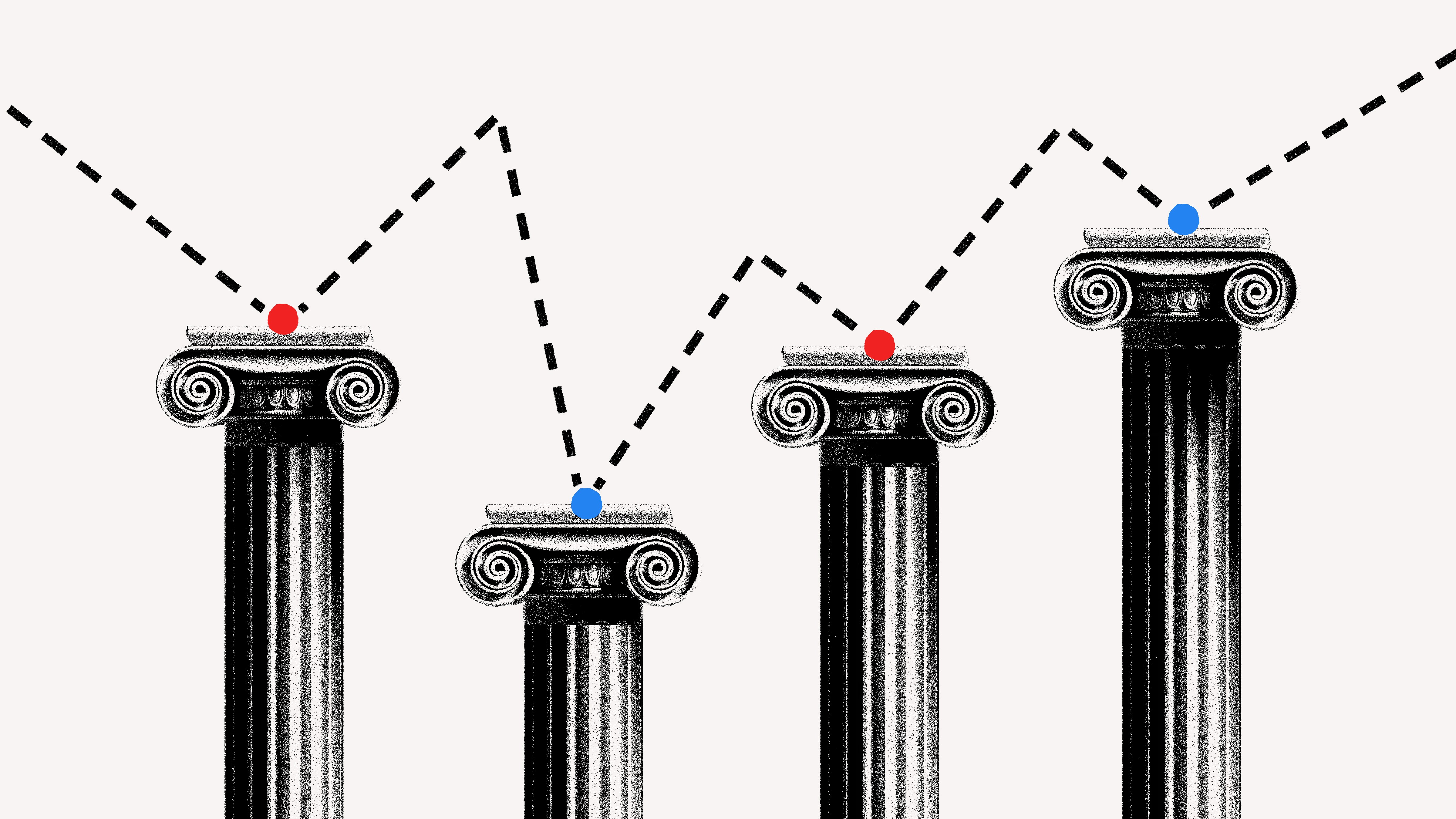
The polls for the midterms proved to be significantly off the mark, underestimating Democrats' strength and overestimating Republicans' performance. Initially, polls suggested Democrats would win the U.S. House popular vote by nine points and flip a few Senate seats, but the actual results saw Democrats winning by 13 points. This discrepancy was particularly evident in states like South Carolina, Mississippi, Texas, Georgia, and North Carolina, where polls underestimated Democratic candidates by five to nine points.
The underestimation of Democrats' strength led to a historic rout for Republicans. The article highlights the challenges pollsters face, including declining response rates and difficulty in reaching representative samples of the electorate, particularly among certain demographic groups. Despite efforts to improve polling accuracy, such as ensuring samples included enough Trump voters and using bespoke solutions to discount unrepresentative respondents, the polls consistently underestimated Democratic performance.
Brief written by urgent.news from The Atlantic's own syndicated text. Machine-written — may contain errors; check the original before relying on it.