The Olfactory History of Book Collecting
In 1345 the English book lover Richard de Bury described the libraries and booksellers of Paris, medieval Europe’s great center of learning “as more aromatic than stores of spicery.” In Bury’s Philobiblion, a celebration of all things bookish, he described
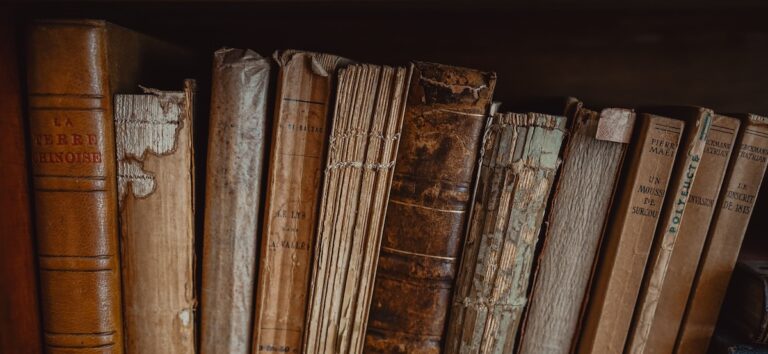
The history of book collecting has been intertwined with the idea of knowledge being as fragrant as spiced goods since medieval times. English scholar Richard de Bury compared Paris' libraries to "more aromatic than stores of spicery." Collectors likened the pursuit of books to gathering "sweet-smelling flowers," believing their knowledge would impart a "perfume of learning."
The Persian philosopher Al-Ghazali likened idea collectors to a "pot of musk," while Greek philosophers argued humans had poor noses and thus unreliable perception.
Smell was considered secondary to the other senses, ranked at the bottom of the hierarchy. Satirists ridiculed book collectors for their superficial interest in tomes, claiming they could "take a good sniff" to grasp the "aroma of learning." In 20th-century Japan, bibliophiles were likened to insects relishing "the sweet scent of old ink."
The Chinese word "shuxiang" encapsulated both "knowledge" and "the scent of books;" well-stocked libraries conferred prestige, and a "fine collection of books perfumes the family line with the scent of ink."
The smell of books could identify forgeries, as Chinese collectors did in the 11th century. In 1781, a collector confirmed the authenticity of a medieval poetry volume by its "ancient fragrance." For Kuki Shūzō, a 20th-century Japanese philosopher, the scent of Parisian bookshops evoked a sense of time and wisdom. Smell conjures memories, places, and eras beyond our immediate experience, creating a vertical continuum of time.
Written by urgent.news from Literary Hub's reporting — not their text. Machine-written — may contain errors; check the original before relying on it.