The midterms won’t ease borrowing costs. Here’s what CFOs should do now
A former Fed bank examiner and two EY-Parthenon leaders explain how to stress-test investments, shore up liquidity and rethink AI spending.
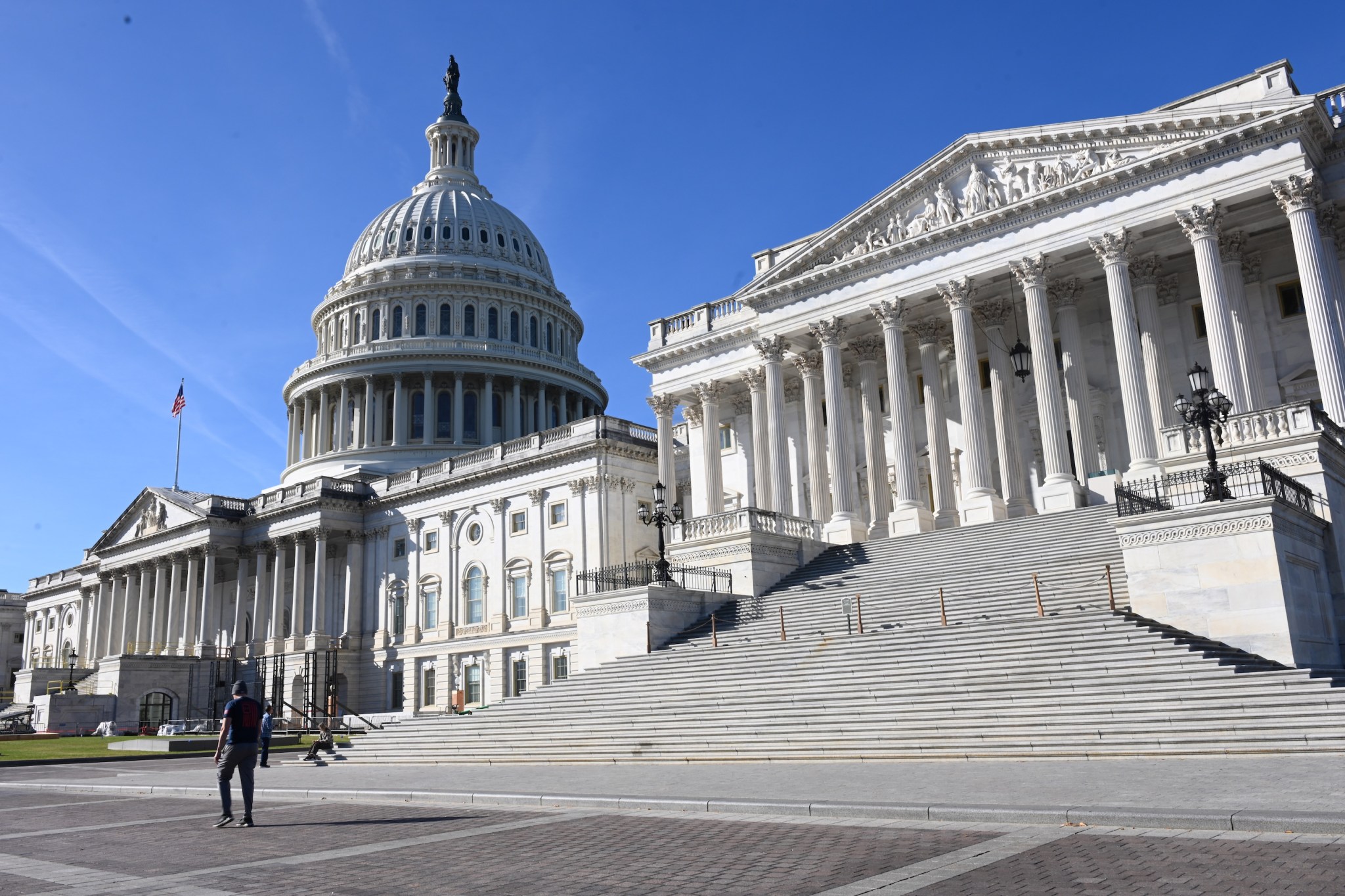
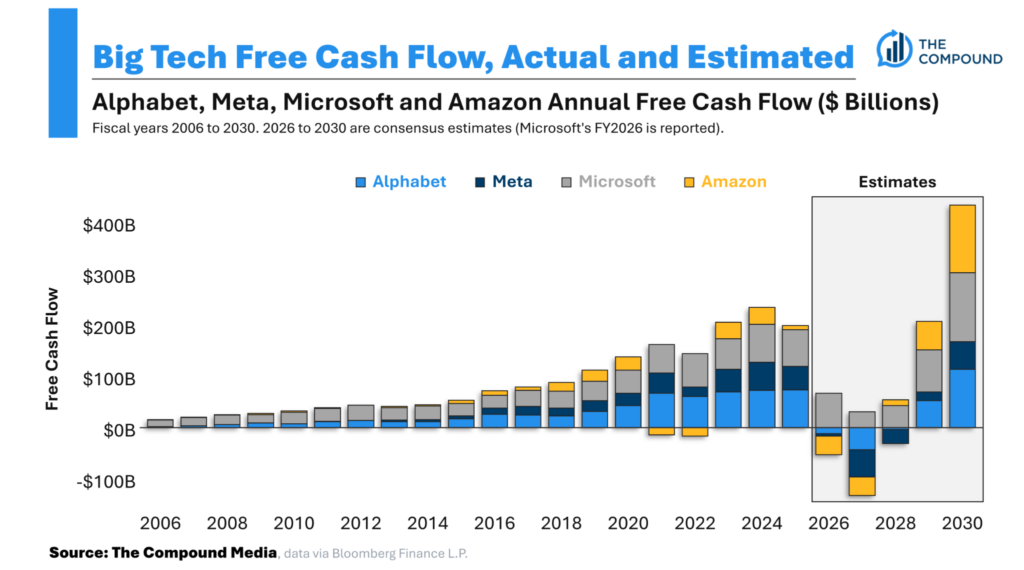
The recent U.S. midterm elections saw Democrats secure control of both chambers of Congress, potentially signaling increased scrutiny of corporate actions such as AI investments and data center expansion. CFOs are advised by Josh Putnam, EY-Parthenon's global and Americas corporate finance leader, to anticipate sustained higher borrowing costs in 2027, as financing conditions are expected to remain volatile regardless of party control.
The looming fiscal uncertainty stems from growing deficits, capital demand, inflation volatility, and policy uncertainty, making disciplined capital allocation, debt management, and investment decisions crucial. CFOs should stress-test investment hurdles, evaluate debt maturities, and maintain balance-sheet flexibility. While a divided government doesn't automatically lead to higher long-term borrowing costs, repeated budget disagreements, shutdown risks, and debt ceiling stress can reinforce upward pressure.
Mark Williams, a finance professor at Boston University, warns that political uncertainty can also impact short-term financing costs, prompting companies to explore longer-term funding, diversify sources, and secure credit lines with multiple banks. AI investment, in particular, faces heightened financial scrutiny and regulatory uncertainty, with data center costs now a political issue.
Companies should prioritize projects with measurable productivity gains, account for power and infrastructure costs, and invest in workforce development. CFOs must remain vigilant and implement robust financial strategies to navigate the complexities of the upcoming economic cycle.
Written by urgent.news from Fortune's reporting — not their text. Machine-written — may contain errors; check the original before relying on it.