The history of Gomoa Wassah: Origins, traditional leadership, ancestral heritage and community development
ANCESTRAL ORIGINS AND FAMILY LINEAGE The history of Gomoa Wassah is a story of ancestral migration, courage, family heritage, traditional authority, resilience and the enduring determination of a people to preserve their identity and build a prosperous community. Situated near Gomoa Dawurampong in the Central Region of Ghana, along the Apam Junction–Agona Swedru road via […]
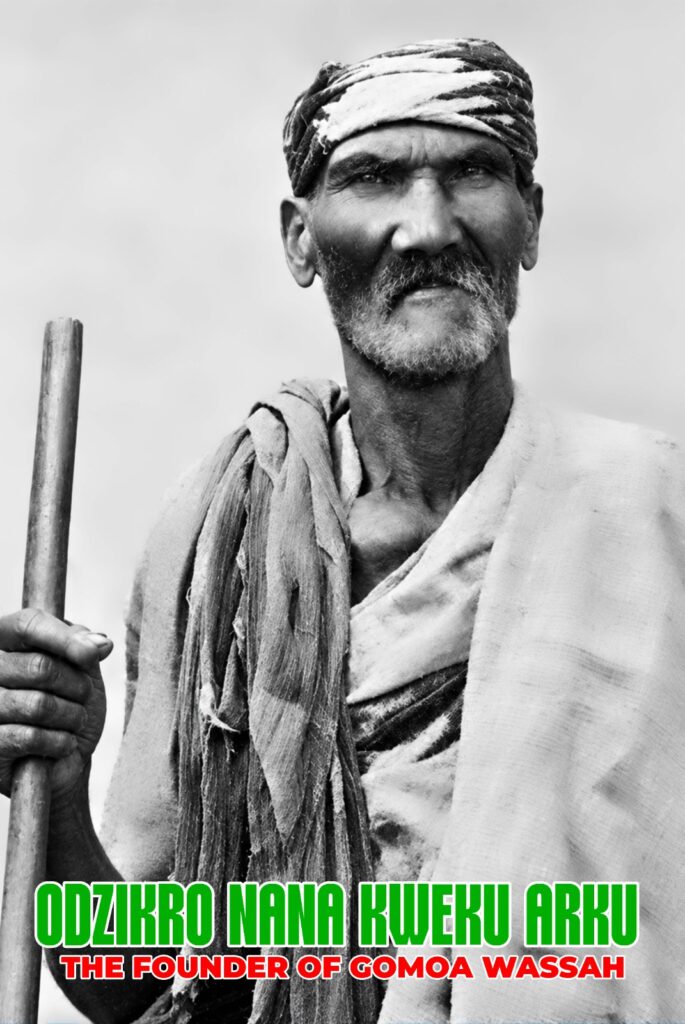
Gomoa Wassah, located near Gomoa Dawurampong in Ghana's Central Region, has a rich history rooted in ancestral migration, traditional leadership, and community development. The town's origins can be traced back to the Takyina Aboradze–Ansah Arku family, who migrated from Techiman in the 18th century. Under the leadership of Adjoa Brakowa, the family settled at Mankessim Kwegyiransah before moving to Gomoa Akramang.
Adjoa Brakowa, the first remembered head of the family, had two twins, Akwaawa Payin and Akwaawa Kakra, who later played significant roles in the founding of Gomoa Wassah. Akwaawa Payin married Omanhene Nana Kojo Nkum of Gomoa Oguan, while Akwaawa Kakra had four children. Their descendants formed two closely related family branches that became central to the town's founding and early administrative structure.
Odzikro Kweku Arku, also known as Ansah Arku and Oguan Arku, is considered the founder of Gomoa Wassah. He was a renowned hunter, warrior, and ancestor who explored extensive forest lands and established a permanent settlement at the location of present-day Gomoa Wassah. His customary junior brother, Kwame Oguaa, also settled in the new community, and their descendants contributed to the town's history.
The land on which Gomoa Wassah stands is of great historical significance. Odzikro Kweku Arku registered the land as the property of the Odikro Kweku Arku/Ansah Arku clan in the 1911 cadastral records. After his death, he welcomed other clans, such as Nsona, Twidan, Dehyina Aboradze, Kona, Agoona, and Yerko, who were allocated portions of land without charge. These allocations allowed them to establish homes and cultivate farms while preserving the overall ownership of the land with the Kweku Arku/Ansah Arku Family.
Written by urgent.news from Adom Online's reporting — not their text. Machine-written — may contain errors; check the original before relying on it.