The ECI’s Flip-Flop On Form 6 Questions Its Credibility
The Election Commission's retreat on Form 6 marks repeated reversals that demand more than an administrative explanation. The issue is the removal of a question from an online form. It concerns how a constitutional authority changes the rules governing citizens' registration as voters. Form 6 is the statutory application for inclusion in the electoral roll. In July, the commission's ECINet portal…
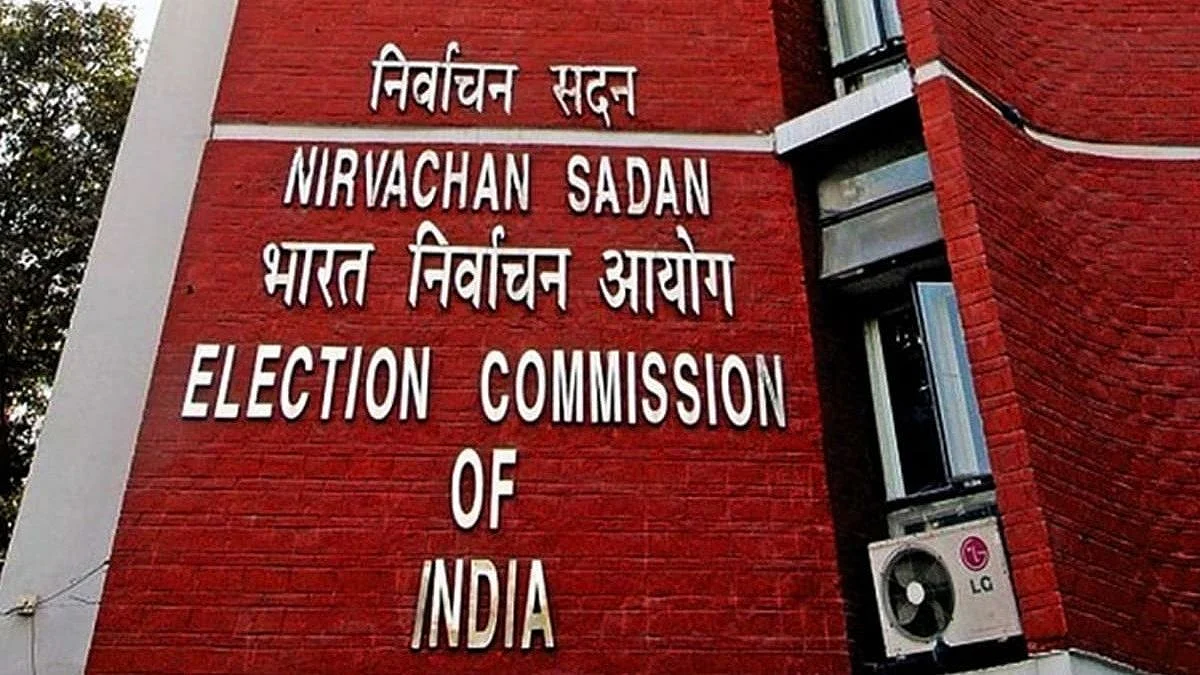
The Election Commission's recent decision to alter Form 6 has raised questions about its own credibility. This form is crucial for citizens registering as voters, but the commission's actions suggest a pattern of inconsistency. Initially, the commission inserted a declaration related to the Special Intensive Revision (SIR) process into Form 6, making it necessary for applicants to disclose if their names appeared in any such revisions.
However, two election commissioners, Sukhbir Singh Sandhu and Vivek Joshi, objected to this change, arguing that altering the statutory form without proper legal amendment was unlawful. Despite these concerns, the commission maintained the requirement, only to modify Form 6 in late October. The latest change separates the SIR declaration from the form itself, stating that this was intended to make the registration process more convenient by reducing the need for a second OTP and e-signature.
However, this convenience-based alteration still questions the statutory authority of the form. The broader issue here is about institutional accountability. An investigation revealed that these two commissioners had raised objections on various fronts, including meetings, travel approvals, IT systems, and the control of electoral-roll software.
The commission's subsequent changes indicate that many of these concerns have prompted corrective actions. The ongoing reversal of Form 6 is part of a larger institutional episode rather than a mere technical adjustment. While correction after internal objections is expected, it must be accompanied by clear explanations regarding who authorized the original change, why objections were not acted upon, and what safeguards are in place to prevent such occurrences in the future.
The Election Commission is tasked with safeguarding the franchise, the cornerstone of representative democracy. Its credibility hinges not only on the successful conduct of elections but also on adhering to the law, ensuring transparent decision-making, and respecting the rights of every eligible voter. A correction of a form may be necessary, but the ultimate goal is to restore and maintain public confidence.
Written by urgent.news from Free Press Journal's reporting — not their text. Machine-written — may contain errors; check the original before relying on it.