The 3 secrets to managing teams spread across the globe
It is trite to say that we work in a global economy, but over the past decade more companies have begun to hire workers from different regions of the world and have them work in teams that are separated by large distances. Through video conferencing and messaging platforms, it is easy to share information among remote teams, but there are still significant challenges in enabling these teams to…
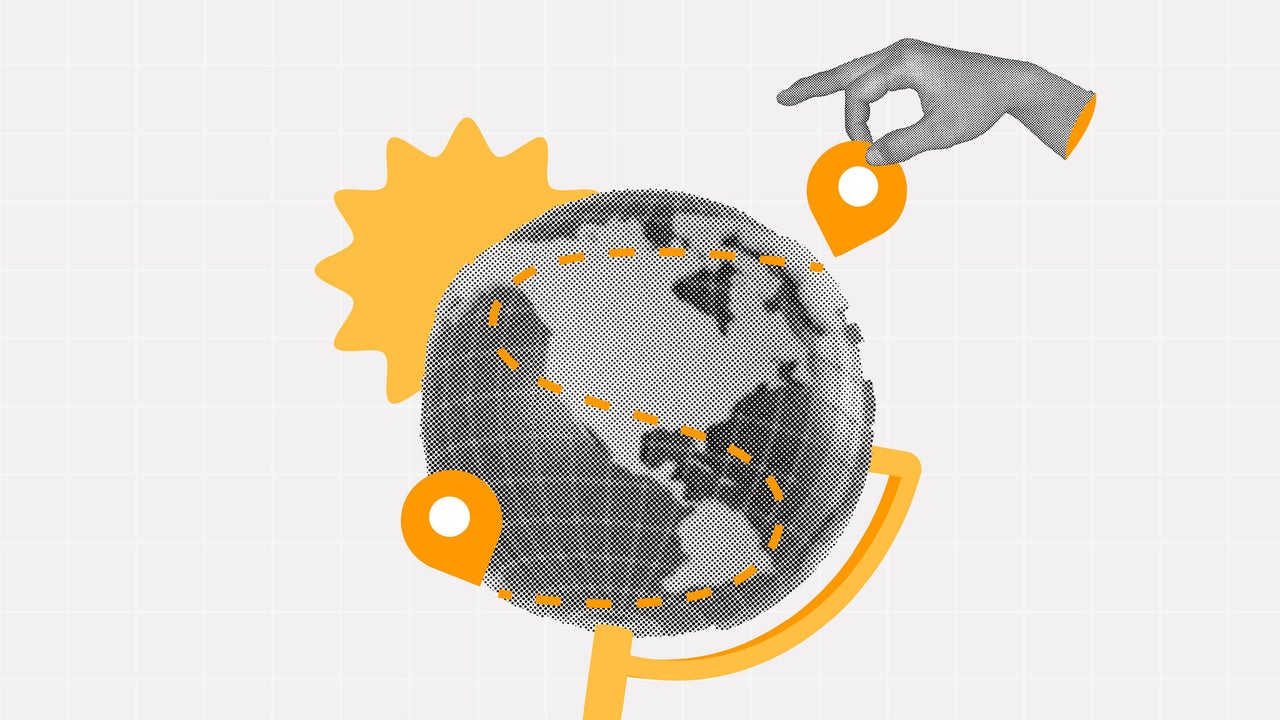
Managing teams spread across the globe presents several challenges due to the interconnected factors of distance, time zones, and cultural differences. To effectively manage these global remote teams, there are three key lessons to keep in mind.
Firstly, creating in-person opportunities is crucial. Remote work can lead to geographic silos, as team members working similar hours spend more time together and share cultural backgrounds. To foster cohesion, organizations should invest in regular face-to-face meetings, ideally focused on specific projects. These meetings should also include strategic engagement and team building activities.
While these visits can be costly, they pay off in improved cohesion and coordination. Social events can help team members get to know each other beyond their professional roles, which is essential for fostering a sense of unity.
Secondly, managing work schedules across different continents is another significant challenge. Time differences can slow down tasks that require input from team members in various locations, as they may be off work or asleep when others are working. Leaders must set clear expectations about working hours and overlapping schedules to prevent burnout and frustration.
Job descriptions should specify expected work hours outside normal business hours, and project timelines should be developed to allow for collaboration despite these differences. Responsibilities should be scheduled so that work can be efficiently passed from one team to another, taking advantage of each team's full workday.
Finally, addressing language and cultural differences is vital for effective communication. Teams separated by geography are often also separated by language and culture. When communicating in a second language, nuances may be lost, leading to misunderstandings. For example, an American might say, "Can you take care of that?" meaning "Please take care of that," but a nonnative speaker might interpret this as a suggestion rather than a request.
Managers must communicate more literally and clearly in these situations to avoid frustration. Additionally, cultural differences, such as those between hierarchical and flat cultures, can affect interactions. In hierarchical cultures, lower-status individuals may hesitate to question or argue with higher-status people, while in flat cultures, such behaviors are more common and expected.
Leaders must create processes to address these cultural differences in workplace expectations, ensuring that all team members feel comfortable providing input and that critical feedback is given when necessary. By focusing on these three key lessons, organizations can better manage their global remote teams and overcome the challenges posed by distance, time zones, and cultural differences.
Written by urgent.news from Fast Company's reporting — not their text. Machine-written — may contain errors; check the original before relying on it.