Supreme Court rejects plea for rotation of SC/ST-reserved seats in Parliament, Assemblies
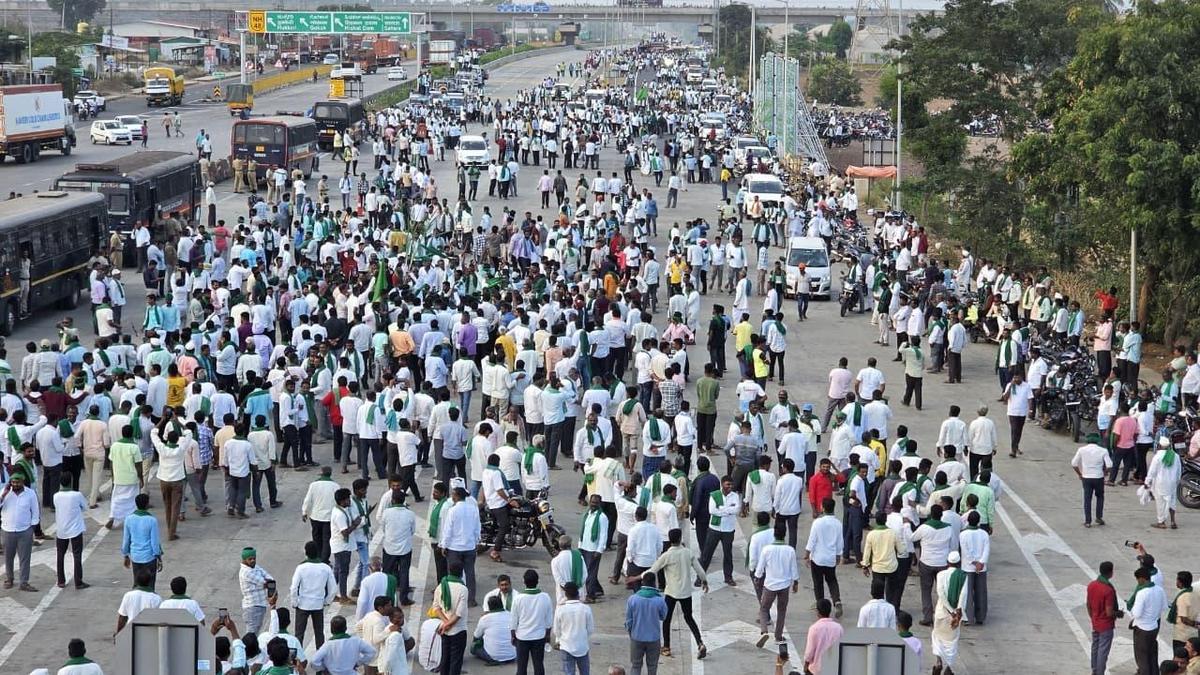
In a lighter vein, the CJI remarked that the petitioner could also take up the issue through public protests and demonstrations
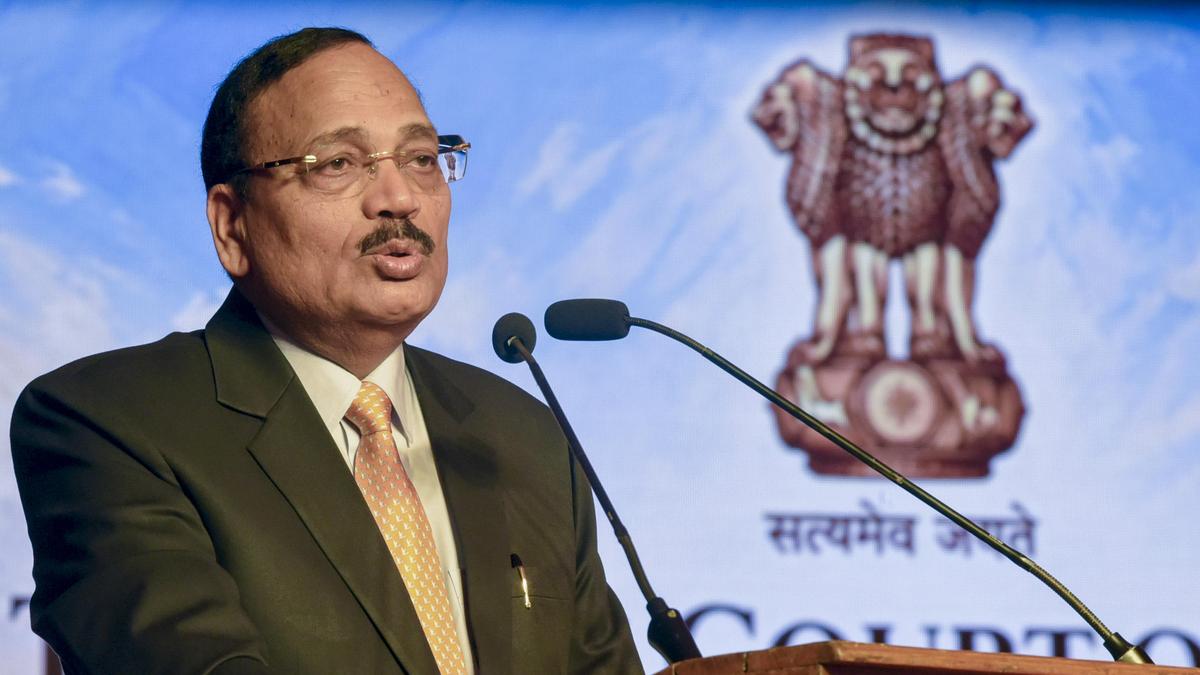
On November 4, 2026, the Supreme Court declined to rule on a petition requesting mandatory rotation of constituencies reserved for Scheduled Castes (SCs) and Scheduled Tribes (STs) in parliamentary and state assemblies. The court ruled that such decisions fall under the purview of the legislature and cannot be mandated by the judiciary.
Chief Justice of India Surya Kant, along with Justices Joymalya Bagchi and V. Mohana, refused to overrule the Allahabad High Court's decision affirming Section 9(1)(c) of the Delimitation Act, 2002. This section stipulates the identification of reserved constituencies where the proportion of SC/ST population is comparatively higher.
The petitioner, Jagdish Singh, argued that the prolonged reservation of his constituency had violated constitutional rights enshrined in Articles 14, 15, and 19. He contended that the lack of a rotation mechanism restricted voters' electoral options by limiting them to candidates from the SC community alone. Singh also claimed that the current arrangement favored a narrow spectrum of political families instead of serving the broader community's interests.
Justice Bagchi, however, emphasized that in a democratic system, voters are expected to make choices based on political ideologies rather than caste or religious affiliations. She pointed out that in a multiparty democracy, multiple parties with diverse ideologies exist, and electors should vote for the party, not the candidate's religious or caste background. The court further reasoned that candidates from general categories could still contest from non-reserved constituencies.
The court also differentiated between the right to vote and the right to contest elections from a particular constituency. Singh argued that the petition should be directed to Parliament to review the reserving policy. The court suggested that the petitioner could pursue the matter through public protests and demonstrations.
Despite these arguments, the Supreme Court dismissed the challenge to Section 9(1)(c) of the Delimitation Act, stating that such an order cannot be issued by courts and must be addressed by the legislative branch.
Written by urgent.news from The Hindu's reporting — not their text. Machine-written — may contain errors; check the original before relying on it.