Stock markets poised for a rally after U.S. midterm election
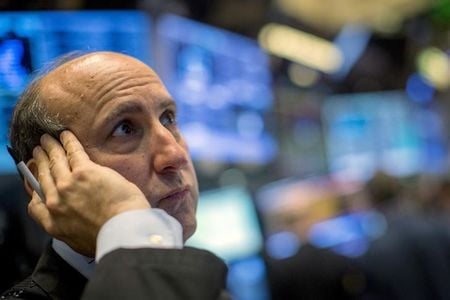
Stock market futures in both Canada and the U.S. surged Wednesday after the U.S. midterm election yielded Democratic majorities in both houses of Congress.

Stock market futures in Canada and the U.S. experienced significant gains on Wednesday following the U.S. midterm elections, which resulted in Democratic majorities in both chambers of Congress. Investors analyzed the potential effects on the artificial intelligence, defense, wind energy, and Big Oil sectors. The election outcome seemed to usher in a new era of congressional resistance to President Donald Trump's aggressive agenda.
A key point highlighted was that divided government may not be as detrimental as initially thought, as it reduces the risk of sweeping policy changes that could disrupt the economy.
Stephen Brown of Capital Economics commented that the Democrats' substantial victory in the midterms did not significantly alter the near-term policy outlook, considering their lack of a filibuster-proof majority in the Senate and President Trump's ability to veto legislation. Concerns emerged in Asian markets due to potential delays in the development of AI because of safety concerns and local opposition to data centers.
Investors questioned whether a surge in stock prices for artificial intelligence companies might represent a bubble in the sector.
Dow Jones futures rose by 1.4%, while S&P 500 futures increased by 1%. The Nasdaq Composite futures rebounded from an earlier AI sell-off, gaining 0.54%. Wind energy stocks saw an uptick, while defense stocks experienced a decline due to the possibility of a reduced involvement in the Iran war. On Bay Street, TSX futures indicated a one percent gain early in the trading day.
However, the future remains uncertain, as President Trump still holds executive authority over key areas such as defense, foreign policy, and some instances of trade. Some analysts predict that Trump might become a "tame duck" who slows down disruptive efforts and focuses on ending the two big wars, reducing tariffs, and improving military spending by NATO allies. Others believe he may remain an "angry duck" who could reignite tensions over tariffs and NATO commitments.
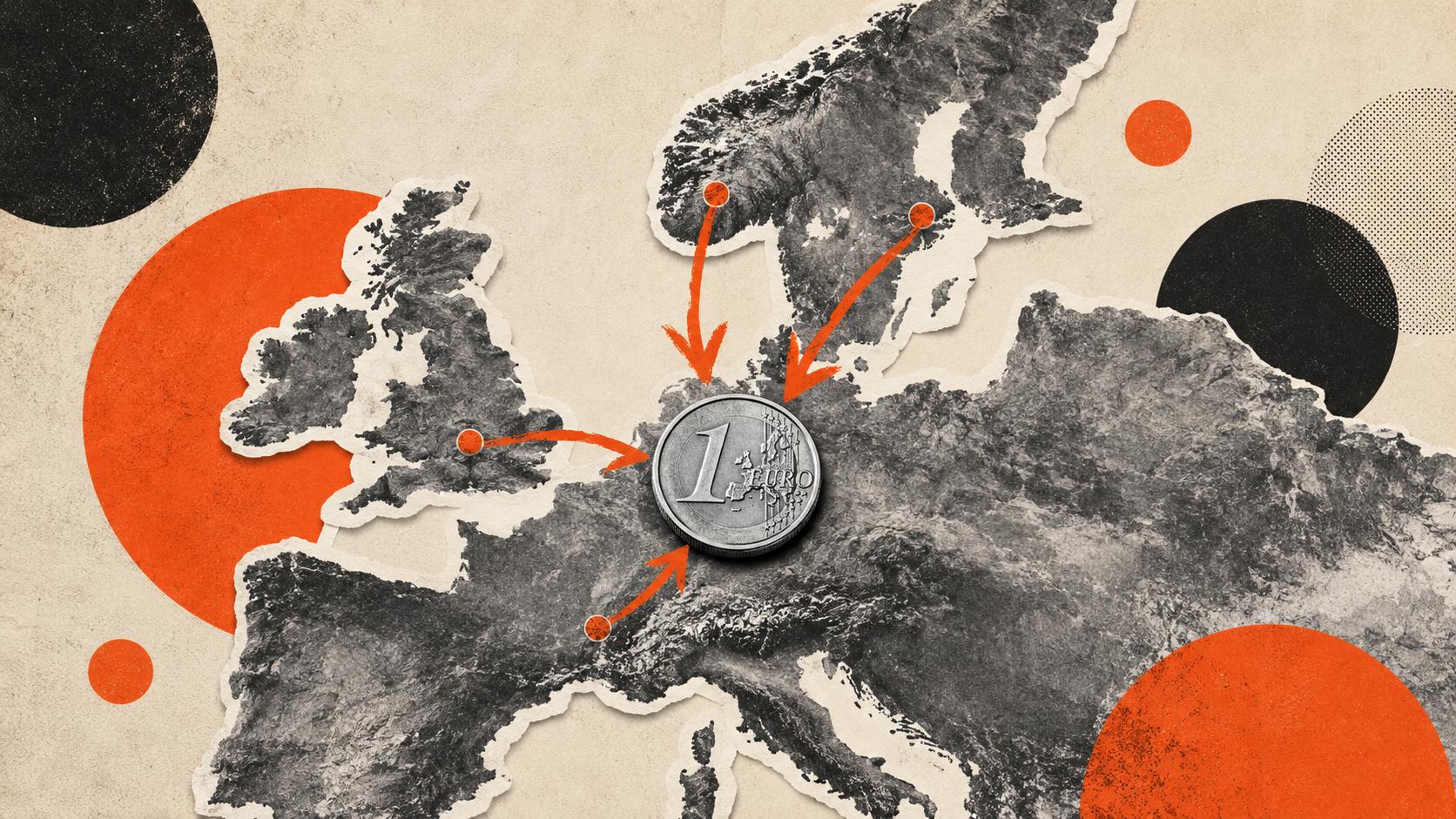
In Asia, Japan's Nikkei 225 declined by 1.4% to 62,188.63, while Taiwan's Taiex lost 0.8%. South Korea's Kospi index rose by 0.6% to 5,683.80. Japanese memory chipmaker Kioxia Holdings experienced a significant drop of 5.4%. European markets also saw some fluctuations, with Paris' CAC 40 up 1.6% to 8,148.42, Britain's FTSE 100 gaining 1.25% to 10,770.95, and Germany's DAX increasing by 1.5% to 26,249.34.
The price of Brent crude fell by 1.2% to US$102.35 per barrel, while U.S. benchmark crude oil decreased by 0.8% to $95.31 per barrel. The U.S. dollar weakened to 158.30 Japanese yen, and the euro rose to $1.1255.
Written by urgent.news from Global News's reporting — not their text. Machine-written — may contain errors; check the original before relying on it.
This story
This is one outlet's version. Read the fullest account.